China Seeks to Increase US Oil and Soybean Imports Amid Shifts in Trade Dynamics
Following high-level talks, China signals renewed interest in US energy and agricultural commodities, influencing global trade and geopolitical strategies.
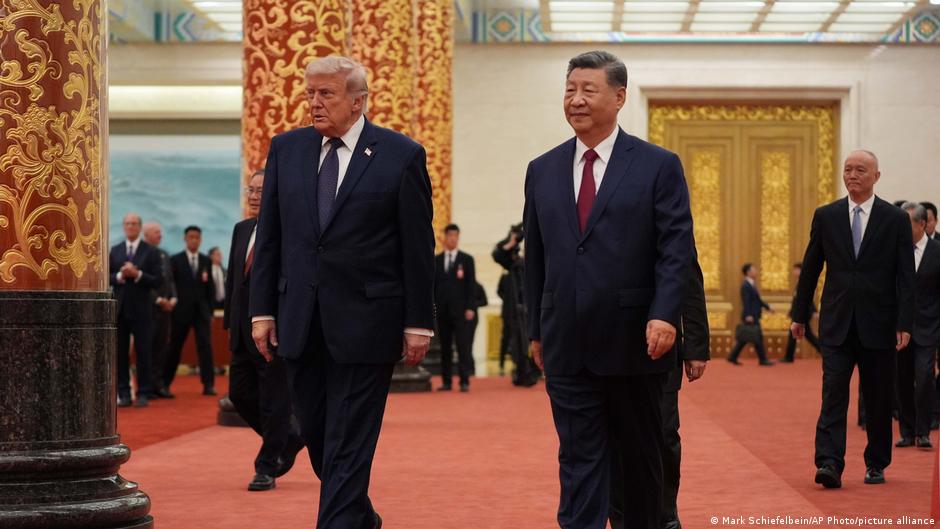
Chinese interest in purchasing US oil and soybeans represents a significant development in the evolving trade and geopolitical landscape between the two economic powerhouses. This shift followed extensive discussions between US President Donald Trump and Chinese President Xi Jinping during their meeting in Beijing.
Strategic Implications for Energy and Agriculture Sectors
For years, China has been a major foreign buyer of Iranian oil while maintaining limited US oil imports. However, the onset of the US-China trade tensions in 2025 drastically altered these dynamics. Beijing sharply reduced its imports of American soybeans, opting instead for Brazilian suppliers, and limited the volume of US oil purchases.
President Trump, in an interview after his meeting with President Xi, noted China's renewed interest in acquiring US oil and soybeans. This potential pivot could reshape supply chains and trade balances, offering new opportunities for American exporters amid ongoing global market volatility.
"China, being the main foreign buyer of Iranian oil, is now looking at the US as an alternative source for oil and soybeans," Trump stated, highlighting a potential easing in trade frictions and a strategic recalibration.
Geopolitical Considerations and Influence on Iran
Beyond trade, the dialogue between the two leaders touched on broader regional security issues. China's position as a major purchaser of Iranian oil gives it leverage in Middle Eastern geopolitics. President Trump expressed optimism that Xi Jinping could exert constructive influence over Tehran, particularly in negotiating an end to hostilities involving the US, Israel, and Iran, and in reopening shipping lanes through the Strait of Hormuz.
Xi Jinping reportedly assured President Trump that China would refrain from supplying weapons to Iran, signaling a willingness to align more closely with US interests in regional stability. This development adds a complex layer to the management of US-Iran relations and the broader competitive landscape involving China.
President Trump emphasized his firm stance towards Iran, indicating that Washington is no longer willing to tolerate current tensions and urging Tehran to reach a deal with the US. Regarding Iran's stockpile of enriched uranium, Trump suggested it could be "buried" but expressed a preference for acquiring it, highlighting ongoing concerns about nuclear proliferation.
The US administration also described the current Iranian leadership as "reasonable," suggesting a possible opening for diplomatic engagement despite longstanding conflicts.
Corporate and Market Outlook
The potential increase in Chinese imports of US oil and soybeans could have far-reaching consequences for companies operating across energy and agricultural sectors. US producers may benefit from renewed demand, while Chinese firms could gain more diversified supply options amid geopolitical uncertainties.
Additionally, this shift may impact global commodity prices and influence the strategic calculations of other major players such as Brazil and Iran. Businesses and investors should monitor these developments closely, as they reflect a broader trend of recalibrating trade partnerships and geopolitical alliances.