Trump and Xi Jinping Hold Strategic Talks in Beijing Focusing on Iran and Trade Relations
US and Chinese leaders meet in Beijing to discuss Iran’s blockade, Taiwan tensions, and trade cooperation amid global economic challenges.
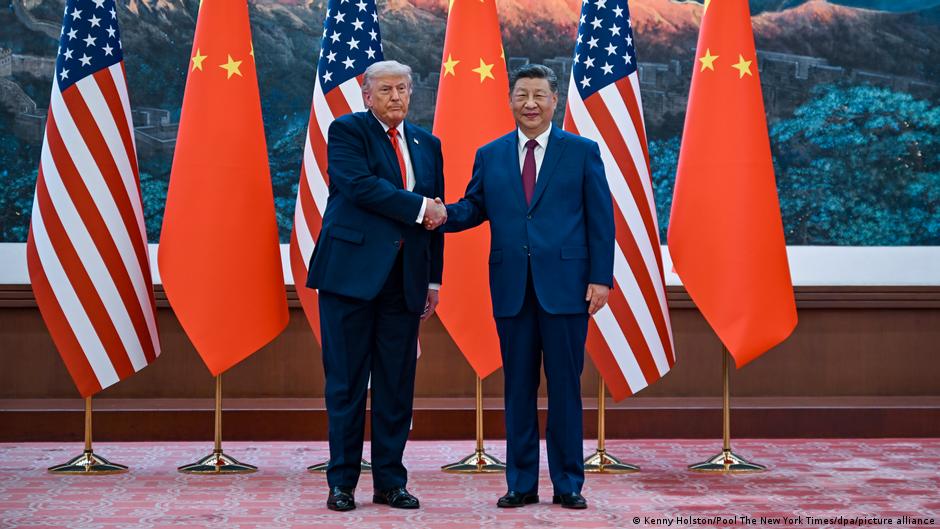
On May 14, Chinese President Xi Jinping hosted a formal reception for US President Donald Trump in Beijing, marking a high-profile diplomatic engagement between the world's two largest economies. The meeting was held at the Great Hall of the People on Tiananmen Square, reflecting the significance both sides attribute to this face-to-face dialogue.
President Trump described the encounter as an honor and emphasized a promising bilateral future, stating,
"For me, it is a great honor to be your friend, and US-China relations will be better than ever before."Xi Jinping responded by noting the global crossroads at which the world currently stands and underscored the imperative for cooperation over rivalry, highlighting mutual benefits not only for the two nations but for global stability.
Strategic Focus on Iran, Taiwan, and Trade
Among the central topics slated for discussion was the ongoing conflict involving the US, Israel, and Iran. US Secretary of State Marco Rubio expressed Washington's expectation that China would assist in lifting the Iranian blockade of the Strait of Hormuz—a critical maritime chokepoint for global energy supplies. China shares an interest in clearing this blockade as Chinese vessels have been caught in the impasse, and the disruption exacerbates China's economic challenges amid the global energy crisis.
Additionally, the talks are expected to cover the complex situation surrounding Taiwan, where geopolitical tensions have escalated, as well as efforts to deepen and stabilize US-China trade relations. The two sides had previously agreed in October 2025, during a meeting in South Korea, to resolve barriers impacting China’s export of rare earth metals and to reduce tariffs imposed by Washington, related to the fentanyl crisis. This agenda points to an ongoing strategy to manage trade disputes and foster economic cooperation.
The delegation accompanying President Trump included senior US government officials such as Secretary of State Marco Rubio, Treasury Secretary Scott Bessent, and Defense Secretary Pete Hegseth. In a notable inclusion, leaders from major American corporations—Apple CEO Tim Cook and Tesla CEO Elon Musk—were also present, signaling the integral role of corporate interests in shaping US-China engagement.
Trump's visit to Beijing, his first since 2017, is scheduled for two days and highlights the intersection of diplomacy, corporate strategy, and global security concerns. The presence of both government and business leaders underscores the multifaceted nature of US-China relations, where geopolitical considerations are interwoven with trade policies and corporate access to markets and resources.