AfD Victory in Saxony-Anhalt Upends Coalition Math and CDU Strategy
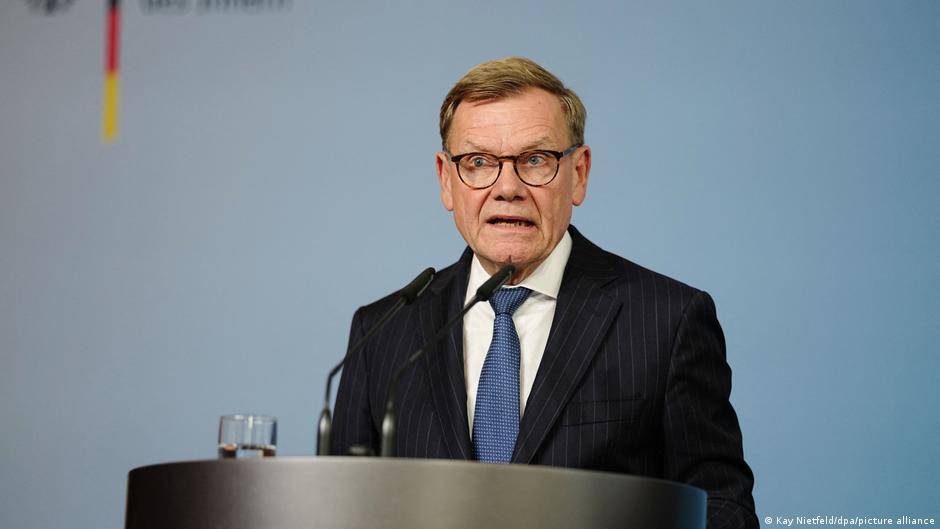
AfD won Saxony-Anhalt with 43.8 percent, but coalition arithmetic leaves BSW, the CDU and minority-government scenarios at the center of the next phase.

AfD won Saxony-Anhalt with 43.8 percent, but coalition arithmetic leaves BSW, the CDU and minority-government scenarios at the center of the next phase.

Germany’s closure of Russian facilities signals a broader strategy of constraining Moscow’s operational reach, not just issuing a diplomatic protest.

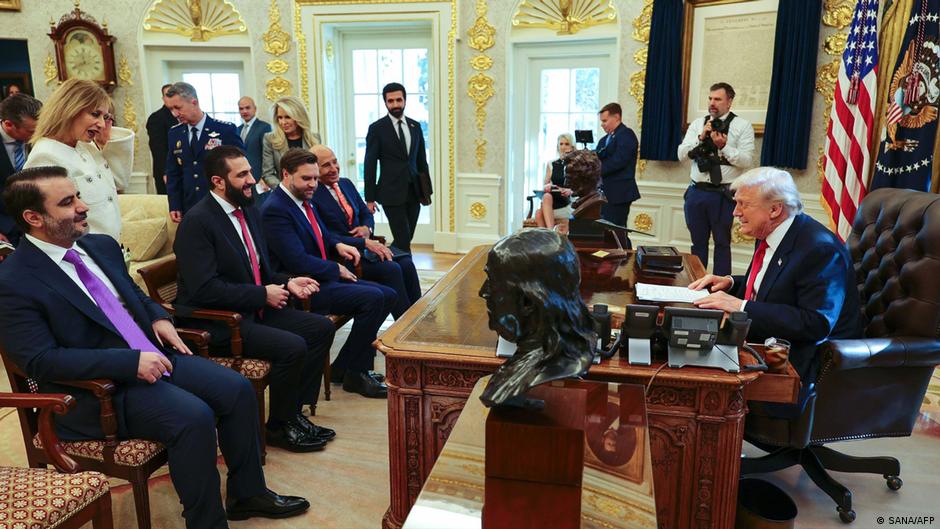
The US has removed Syria from its terrorism sponsors list and lifted sanctions on HTS, signaling a major policy shift amid evolving regional geopolitics and economic reintegration.

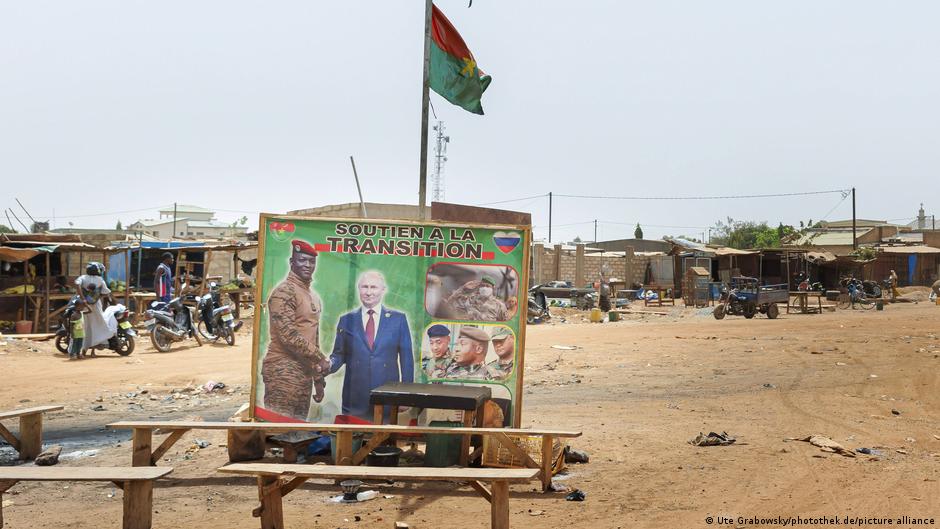
Russia has created a shadow air fleet comprising military and private aircraft to supply its forces in Africa’s Sahel, bypassing Western sanctions through a complex logistics network.

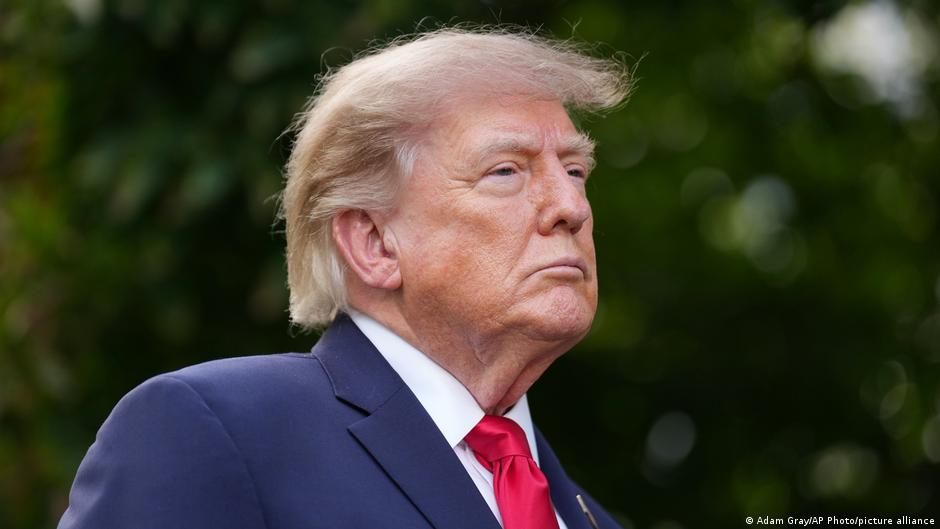
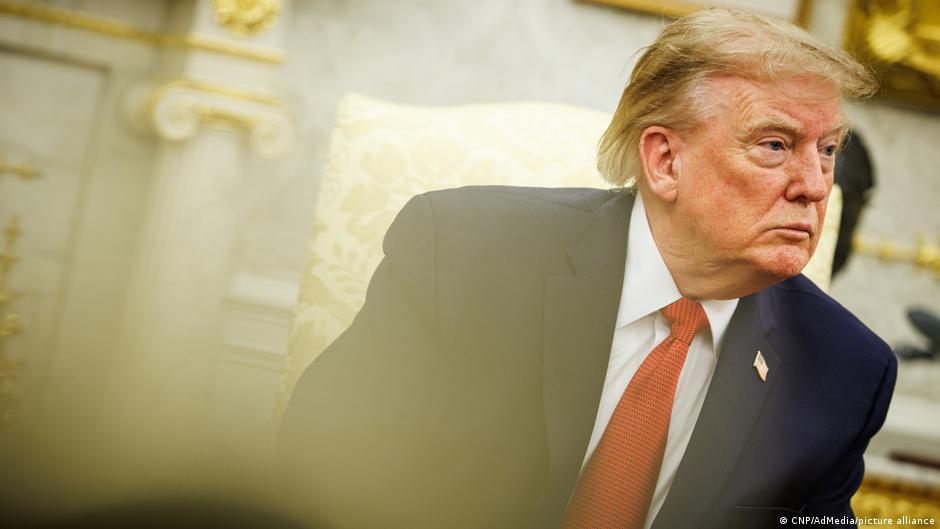
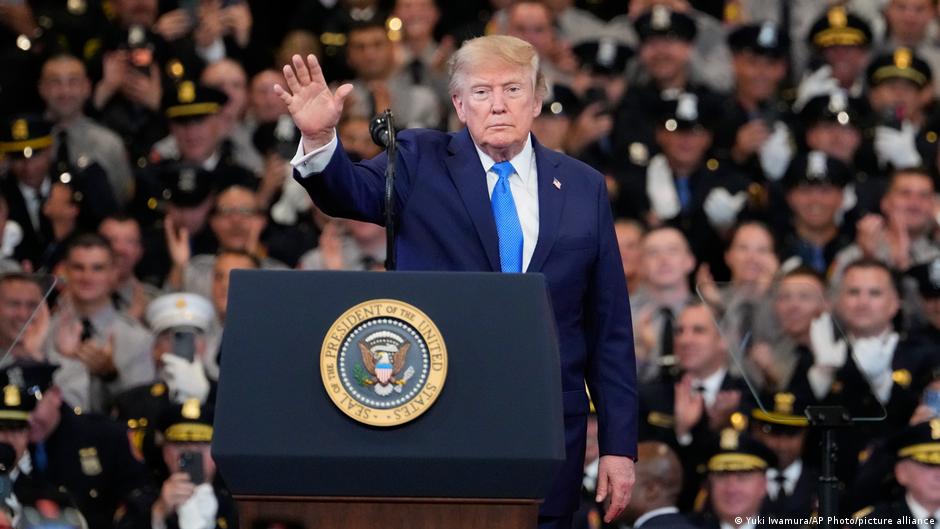
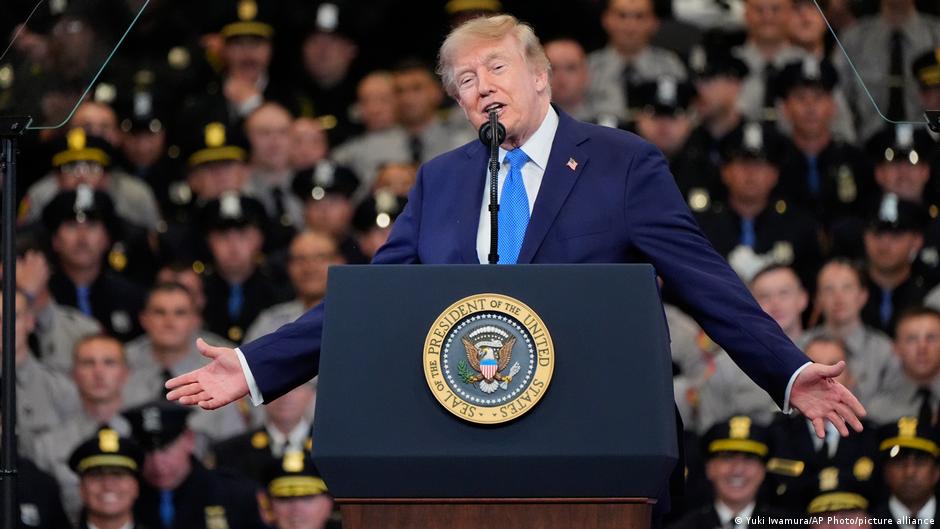
US President Donald Trump launches an unprecedented economic war against Iran, imposing broad sanctions and urging global allies to isolate Tehran commercially and financially.

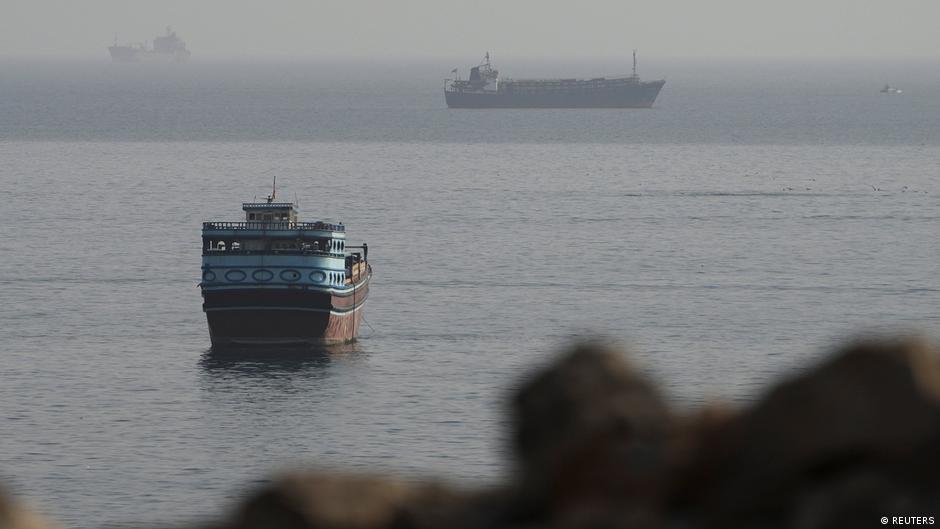
US threats to Oman amid stalled US-Iran talks threaten regional stability and the future of maritime control in the critical Strait of Hormuz, impacting energy markets and corporate strategies.

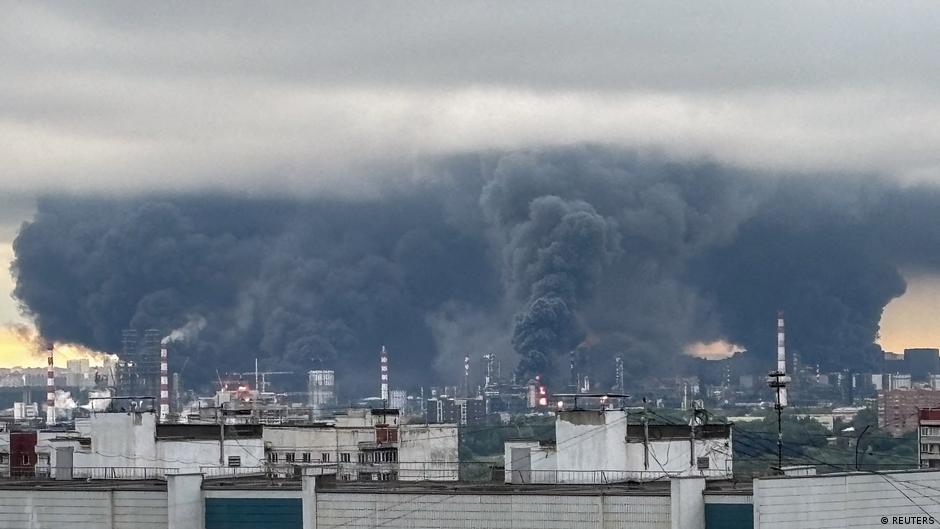
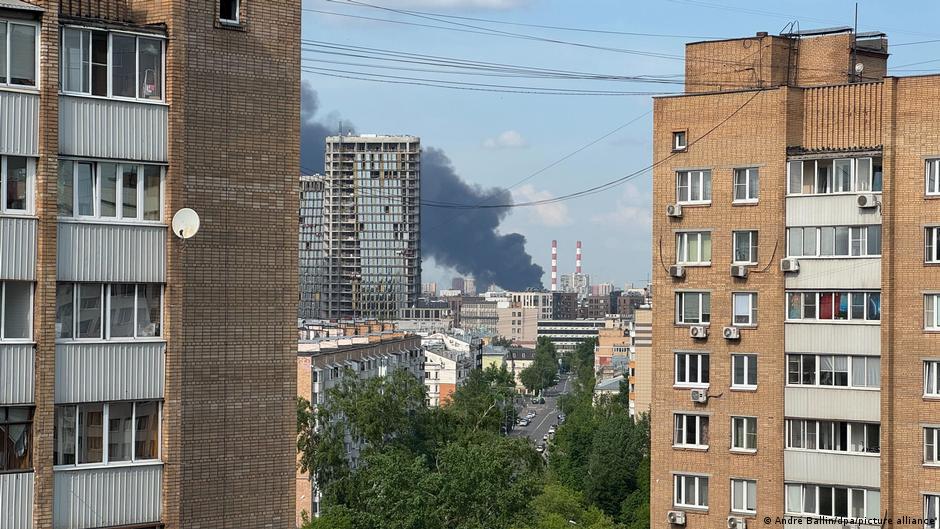
Moscow authorities intercepted over 180 drones during a large-scale nighttime UAV attack impacting residential and industrial areas near the capital.

President Trump signals intent to declare the Strait of Hormuz US territory, implying indefinite military presence amid contested control with Iran impacting global oil supply.

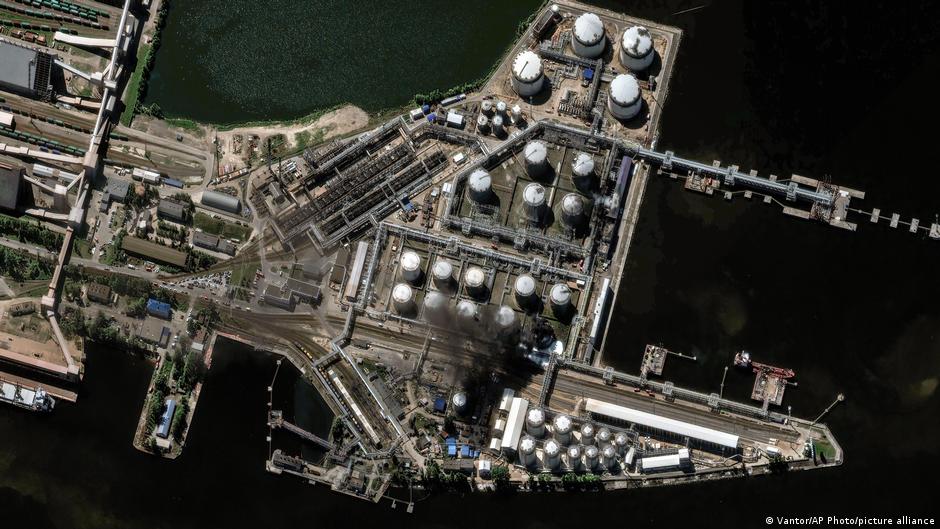
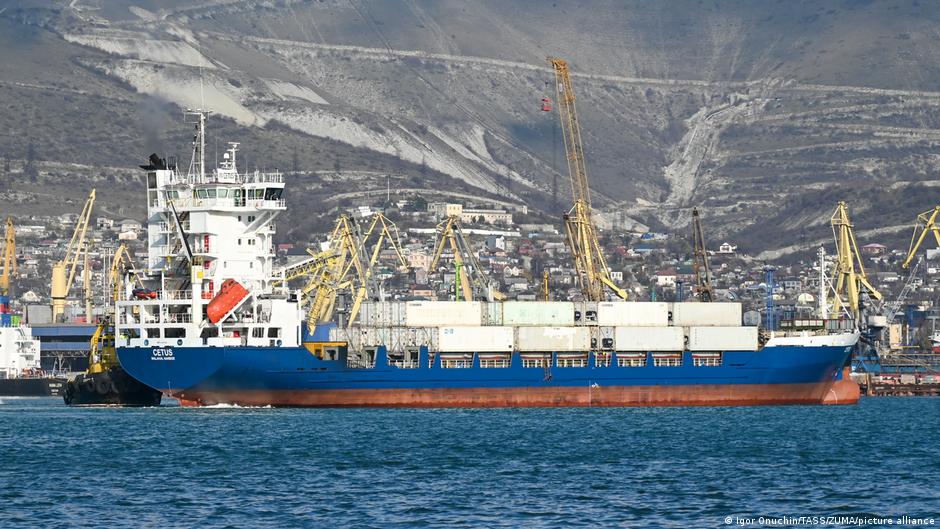
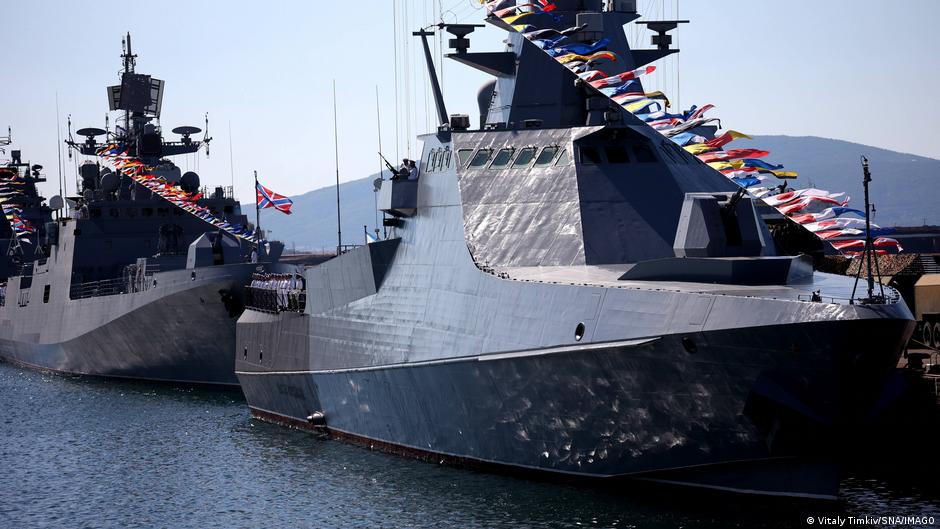
Ukraine claims successful strike damaging Russian missile frigates and critical infrastructure in Novorossiysk, impacting naval capabilities and regional commercial assets.

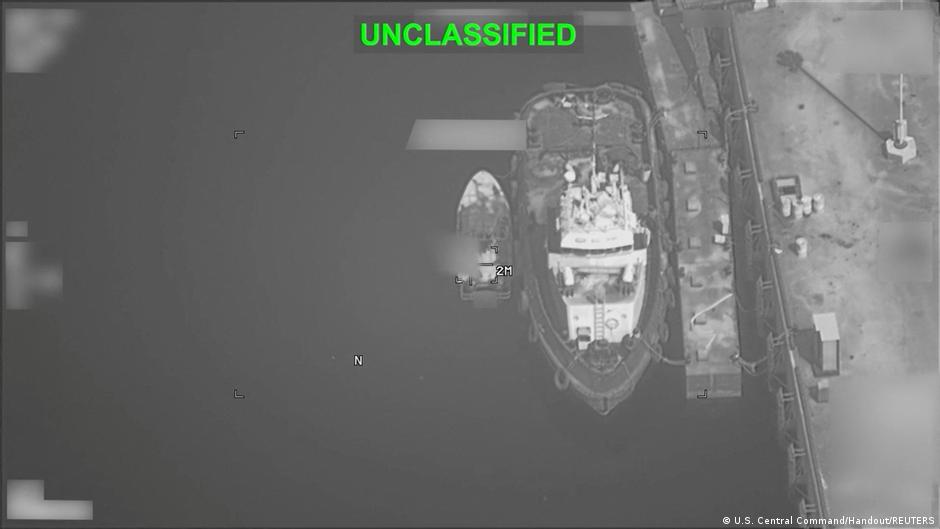
The US disabled the steering of a Panamanian container ship attempting to breach Iran’s blockade, reinforcing control over the Strait of Hormuz and signaling risks for maritime trade.

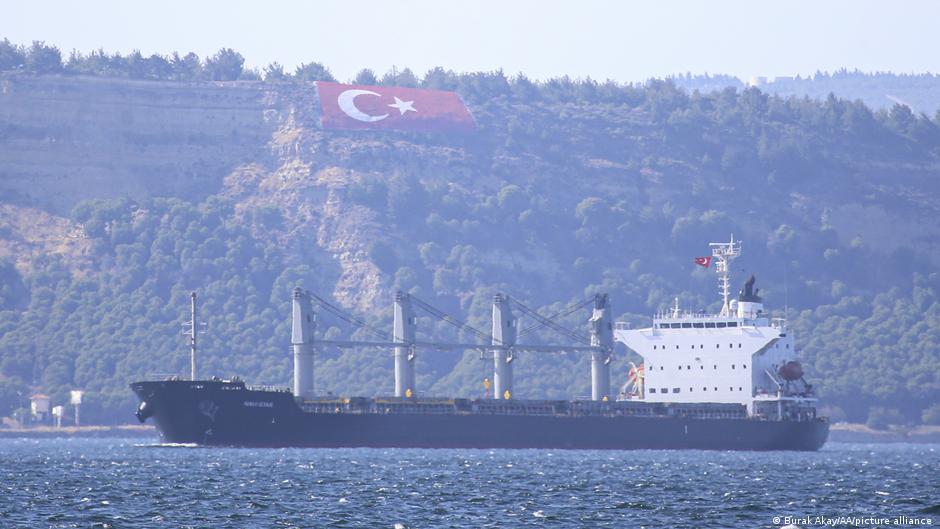
Turkey has lifted temporary restrictions on commercial vessel transit through the Bosporus and Dardanelles straits amid escalating Black Sea security threats.

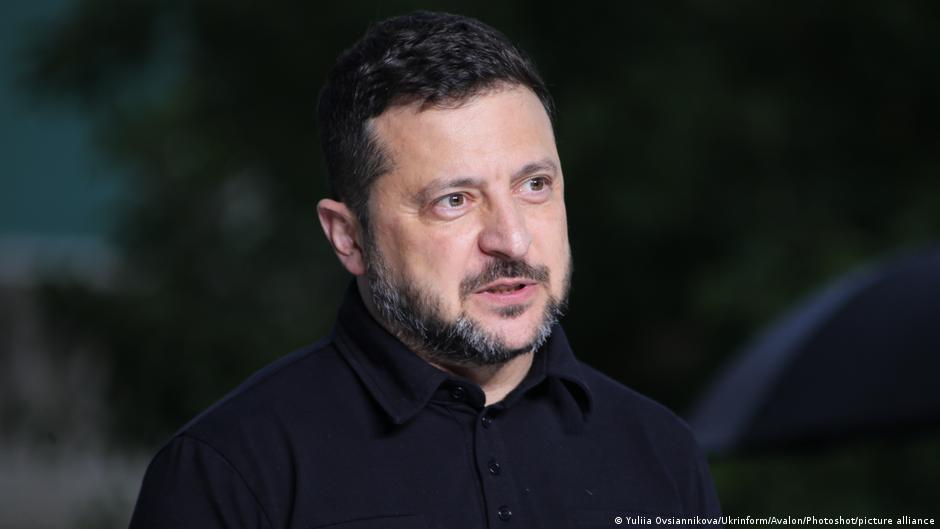
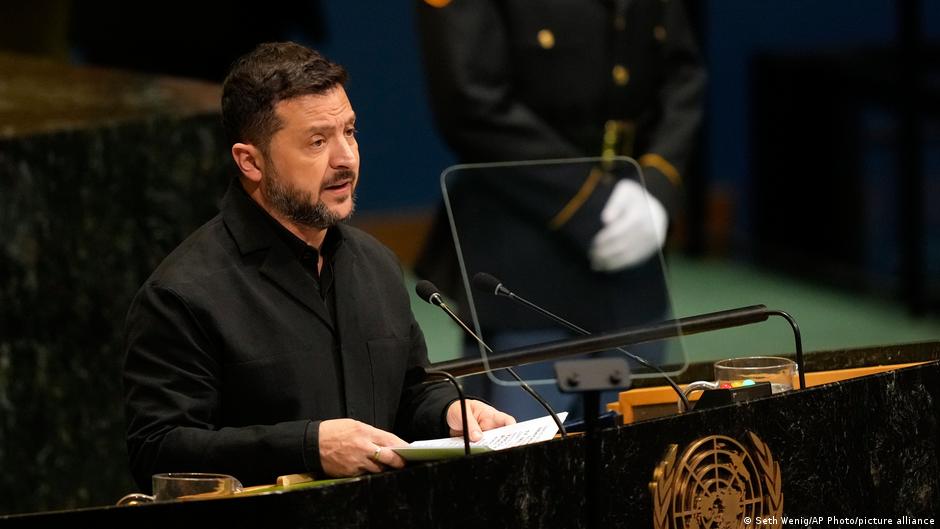
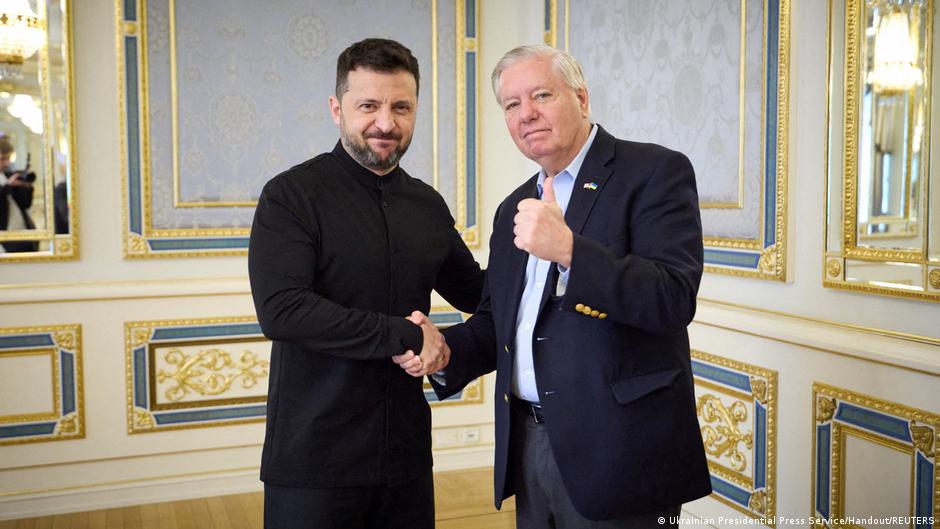
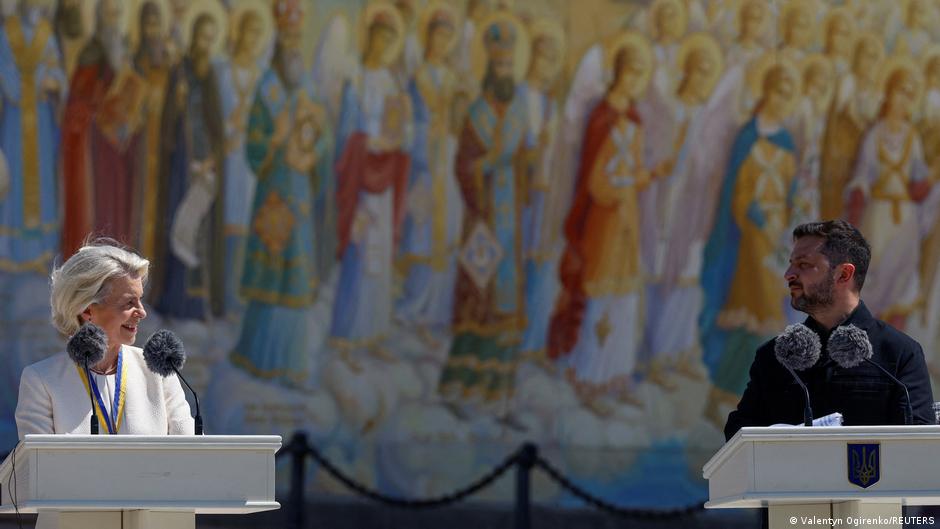
The EU Commission and Ukrainian President welcome new US Senate sanctions targeting Russia's energy exports and political elite, emphasizing coordinated pressure on Moscow's war financing.

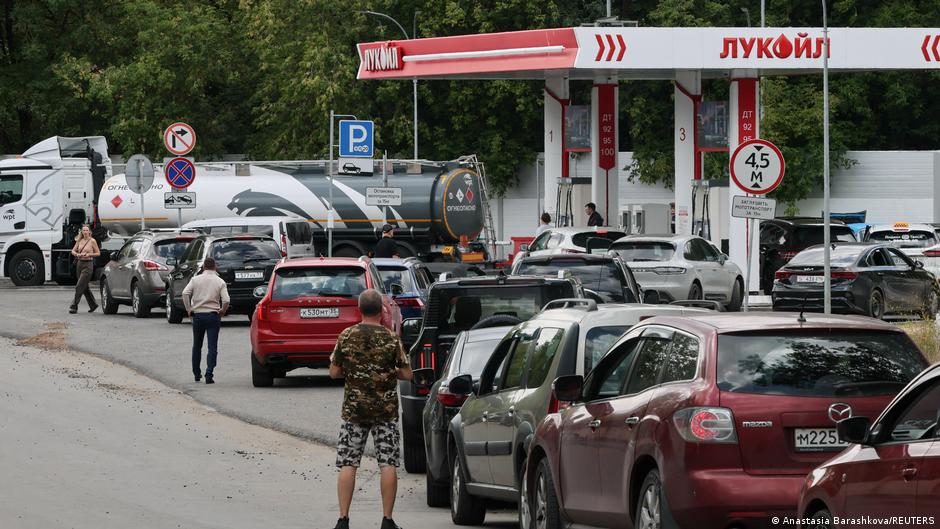
Russia authorizes sale of lower-grade Euro-2 to Euro-4 fuels until mid-2027, responding to refinery disruptions with a temporary, crisis-driven policy shift.

Ukraine’s Security Service reports a 40-day campaign targeting over 100 Russian strategic assets, focusing on military and energy infrastructure to pressure Russia towards peace.

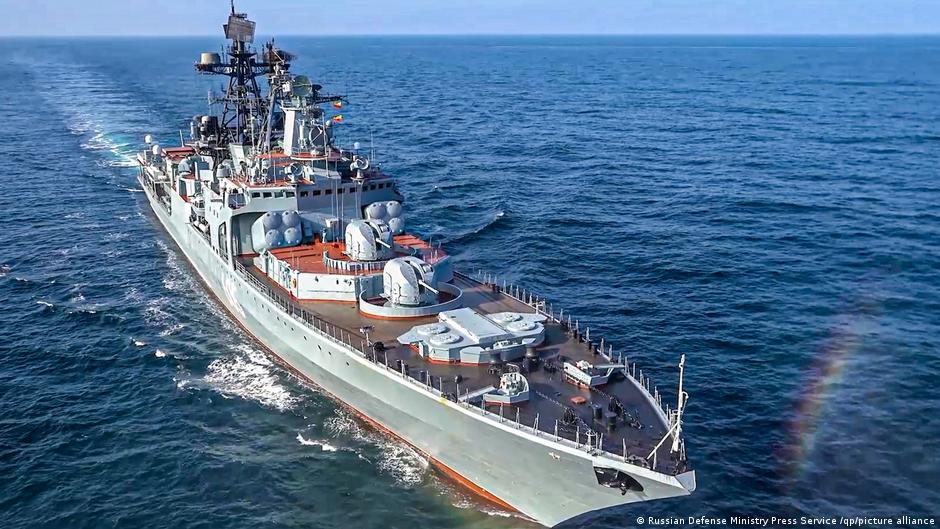
Russia has shifted the Northern Fleet’s anti-submarine ship Admiral Levchenko to the Baltic Sea near Germany, supporting its maritime oil shipments amid regional naval realignments.

Venezuela’s government and opposition will hold direct talks in Caracas focusing on earthquake aid and election schedules, potentially impacting political stability and economic recovery.

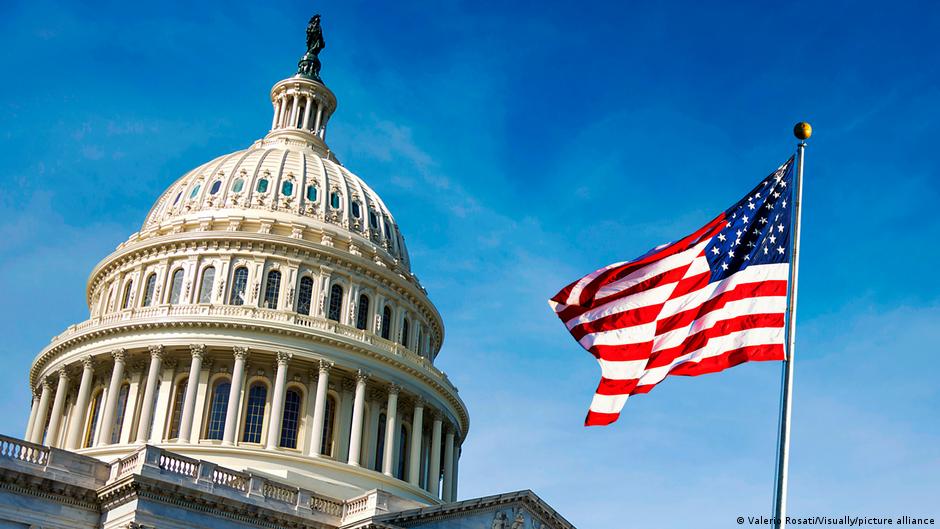
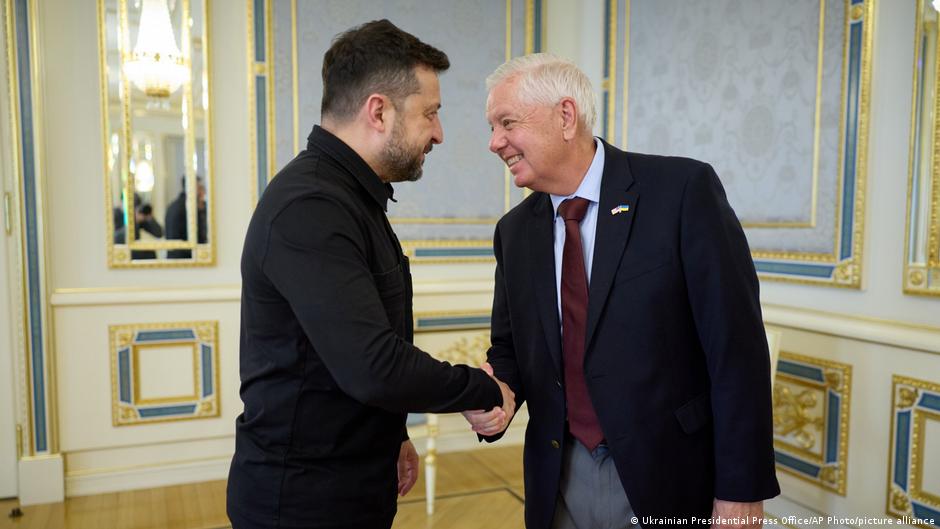
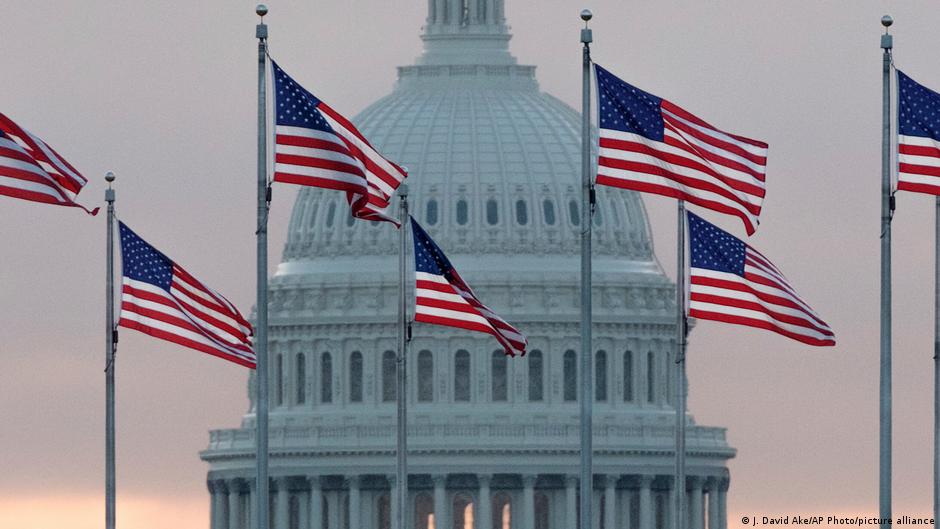
The US Senate advances the bipartisan 'Graham sanctions' bill imposing steep tariffs on Russian imports and allies, signaling a strategic shift in US economic pressure.

Russia's July oil and gas revenues may rise 60% year-on-year due to higher global prices, despite cumulative annual declines and ongoing EU sanctions targeting energy exports.

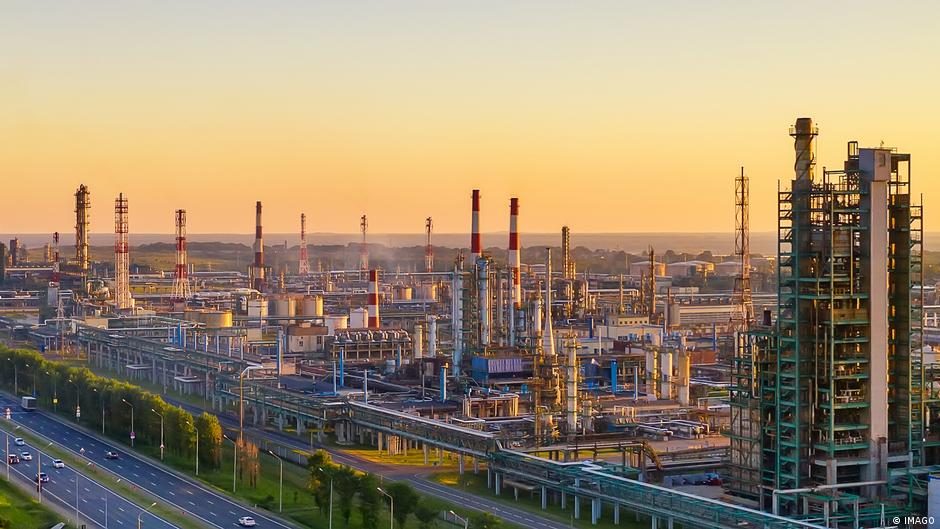
Russian petroleum product production fell nearly 22% in June 2026 amid refinery disruptions and supply constraints, despite partial market stabilization claims.

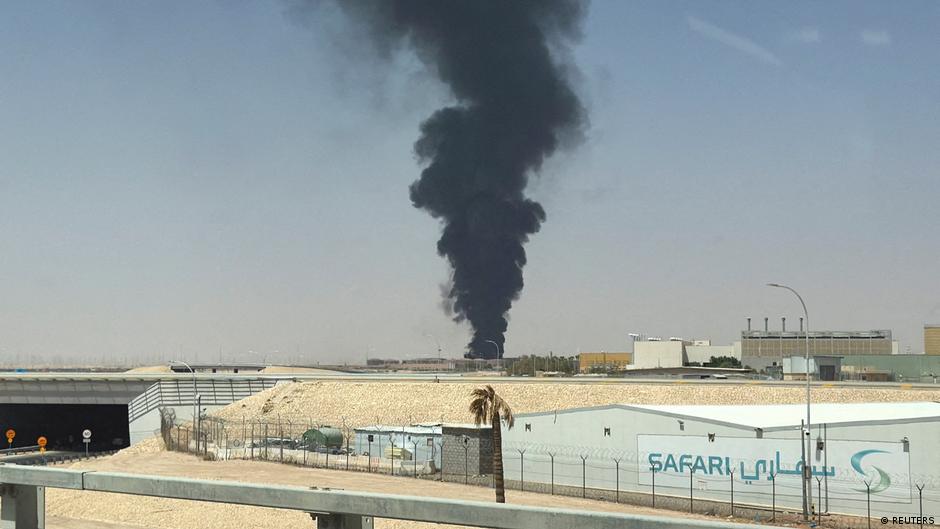
The IRGC mined an oil tanker in the Strait of Hormuz, escalating risks for global shipping and signaling Iran's intent to control this vital oil transit corridor amid regional tensions.

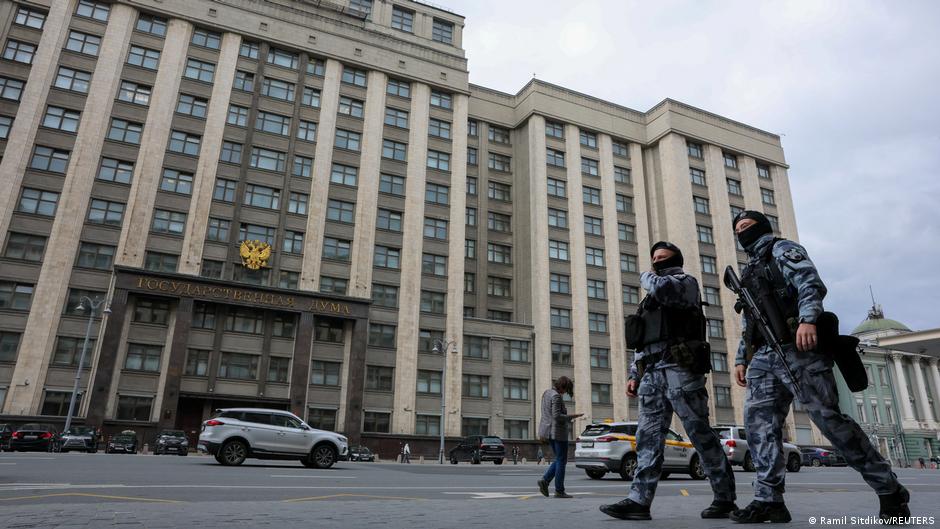
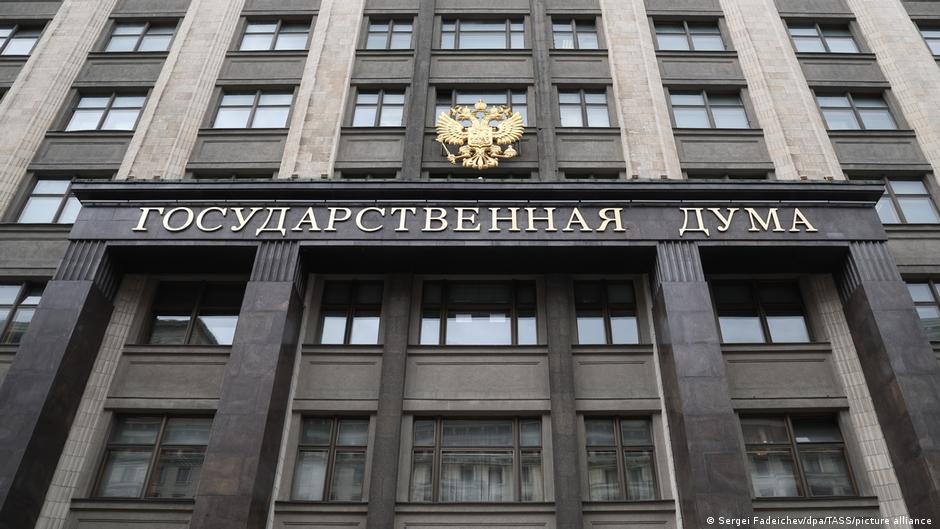
The Russian State Duma has amended tax laws to refine the fuel dampener system and import compensation, aiming to stabilize domestic fuel prices and supplies amid sector disruptions.

US Central Command has carried out 11 consecutive nights of strikes on Iranian military targets amid escalating attacks in the Gulf, raising regional tensions and impacting global shipping.

US forces have launched a ten-day series of strikes against Iran targeting military infrastructure, intensifying regional tensions and disrupting critical shipping lanes in the Strait of Hormuz.

US military deaths in the conflict with Iran rise to 17 as new casualties occur and strategic deployments increase amid escalating regional tensions.

The US military has conducted nine consecutive nights of strikes against Iran to weaken its military capabilities amid escalating regional tensions affecting energy exports and maritime security.

Ukrainian drone strikes hit Russian logistics hubs and urban areas, causing casualties and fires, disrupting supply chains, and prompting evacuations across multiple regions.

The US launched airstrikes on Iranian military and infrastructure targets and reinstated a maritime blockade, triggering retaliatory attacks on American bases in the Gulf region.

The US is negotiating to restore an Iraq-Syria oil pipeline bypassing the Strait of Hormuz, involving Chevron and other firms, aiming to reduce Iran's regional influence.

US forces have conducted new strikes on Iranian military targets to prevent attacks on commercial shipping in the Strait of Hormuz, escalating regional tensions and impacting global energy trade.

US military strikes Iran again after IRGC attacks on civilian shipping, closing the strategic Strait of Hormuz and impacting global oil trade.

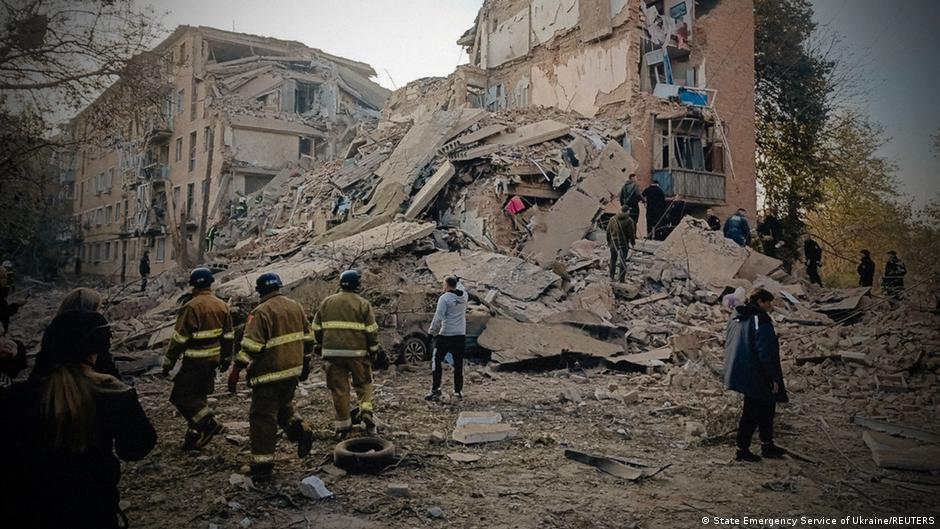
Russian missile strikes on Kyiv cause civilian injuries amid rising casualties and escalating Ukrainian drone attacks on Russian oil facilities.

Russia suspends navigation through the Azov-Don canal after Ukrainian UAV attacks on vessels, disrupting key grain export routes and pushing wheat prices higher.

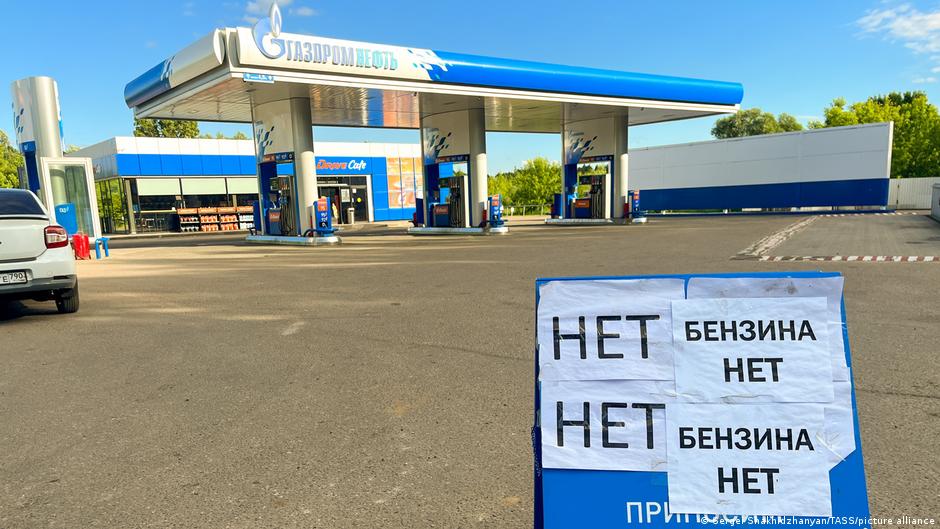
Ukraine’s drone attacks have forced the Saratov oil refinery to halt operations, deepening Russia’s fuel shortage and prompting regional sales restrictions.

The US has intensified military strikes against Iran targeting maritime interference in the Strait of Hormuz following tanker attacks, escalating regional tensions and economic sanctions.

Gasoline prices in annexed Crimea surged 78.4% in early July amid Russia’s fuel shortages, export bans, and increased imports, signaling severe supply challenges.

US military strikes on Iran following tanker attacks intensify regional tensions amid renewed oil sanctions and stalled diplomatic talks over maritime security.

Cuba suffers a nationwide blackout amid severe fuel shortages and US sanctions, prompting urgent energy reforms and highlighting geopolitical tensions.

Russia allows production and sale of Euro-3 gasoline and diesel until end of 2026 to ease fuel shortages caused by attacks on refineries, excluding exports to EAEU states.

In June 2024, Russia reduced drone and missile attacks on Ukraine amid potential supply and production challenges, while Ukraine intensified strikes on Russian fuel and defense infrastructure.

US extends temporary license for Serbian oil company NIS, allowing continued operations amid delays in Gazprom’s stake sale to MOL under sanctions.

The US and Iran agreed to halt attacks until June 30 ahead of talks to restore free navigation through the strategic Strait of Hormuz, impacting global oil markets.

US military strikes Iranian targets after attacks on commercial tankers near the Strait of Hormuz, escalating tensions that threaten critical global shipping lanes.

Russia’s aviation fuel imports from Belarus surged nearly fourfold in May 2026, reflecting challenges in domestic production and prompting strategic shifts in fuel sourcing amid refinery disruptions.

The US and Iran exchanged military strikes after a drone attack on a Singapore-flagged cargo ship in the Strait of Hormuz, raising tensions and impacting global energy markets.

Finland removes its ban on nuclear weapons import and storage, aligning its defense laws with NATO as it responds to regional security challenges posed by Russia.

France and Italy express reservations about the EU's proposed entry ban on Russian combatants, citing enforcement challenges and risks of broader application.

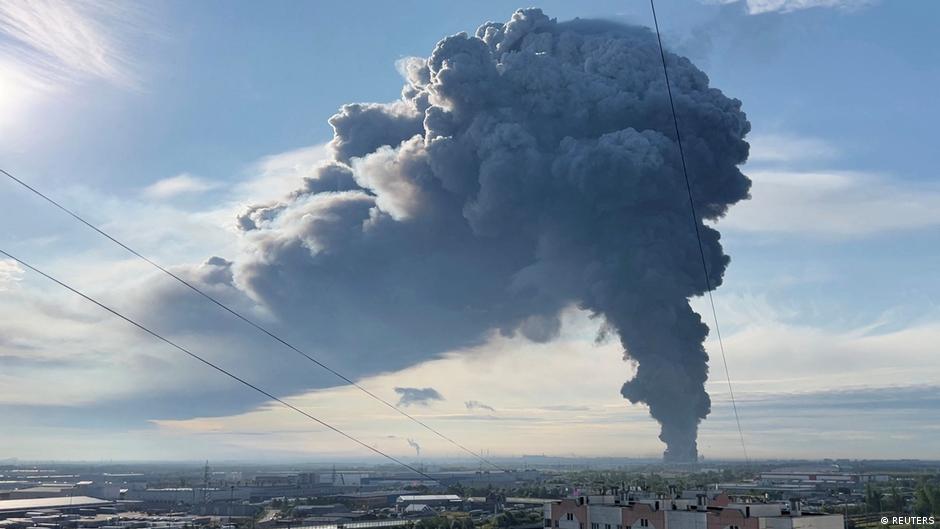
A drone strike caused a fire at the Poltava oil depot near Krasnodar, disrupting regional fuel infrastructure amid broader attacks on energy facilities in Crimea.

Russia's maritime oil exports hit a peak weekly volume in June 2026 despite intensified competition from Iran after US sanctions relief, highlighting complex strategic challenges.

The US imposed sanctions on five Cuban state firms controlling 40% of GDP, focusing on GAESA-linked companies amid heightened bilateral tensions and legal rulings favoring US businesses.

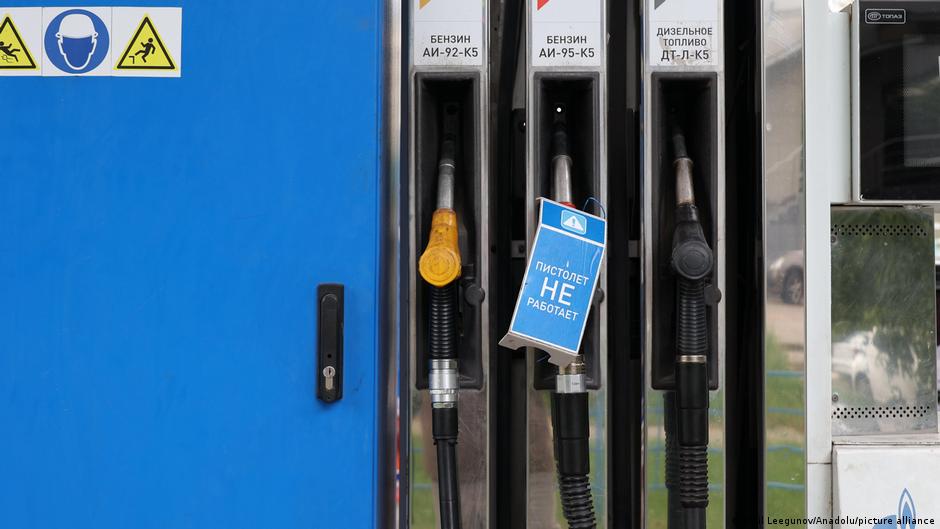
Russian regions impose fuel purchase limits due to supply disruptions from Ukrainian drone attacks on oil infrastructure, affecting over 50 regions nationwide.