Zelenskyy Says US-Russia Diesel Deal Strengthens Moscow’s War Economy
Ukraine’s president framed the White House move on Russian fuel exports as a strategic concession that could prolong the war and weaken sanctions leverage.
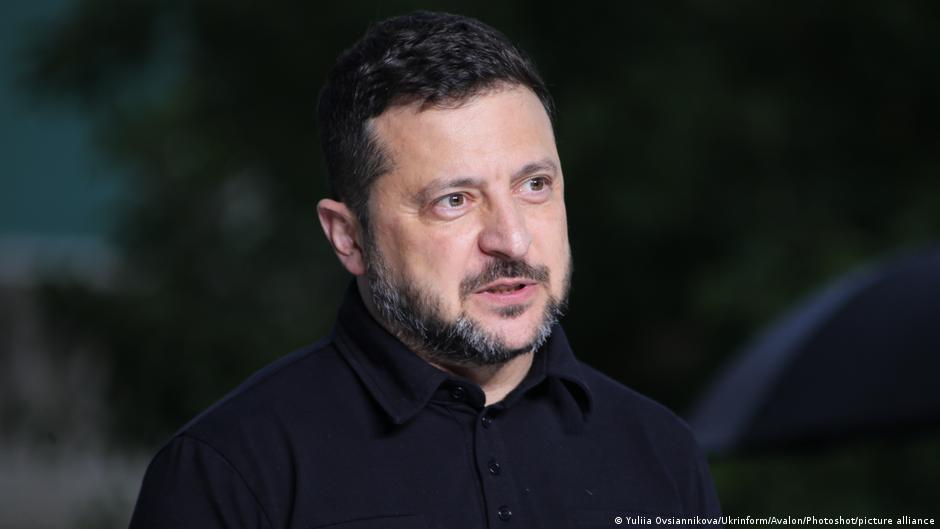
Ukrainian President Volodymyr Zelenskyy sharply criticized a new US-Russia arrangement allowing Russian diesel fuel to return more freely to global markets, calling the decision by the White House an “investment in war” rather than a step toward peace.
The dispute, emerging after US President Donald Trump described talks with Russian President Vladimir Putin as “very successful,” places energy policy at the center of the war’s broader strategic and commercial landscape. For Ukraine, the issue is not only the physical flow of refined fuel but also the management of sanctions pressure, negotiating leverage and the revenue streams that sustain Russia’s military campaign.
According to Zelenskyy, any relaxation of restrictions on Russian oil products without a clear de-escalation framework sends the wrong signal to Moscow. He argued that Russia would respond to concessions not with restraint, but with further attacks.
“Gifts to Putin will not work for peace,” Zelenskyy said, adding that Russia would “thank” others for diesel with “further terror and vile acts.”
The Ukrainian leader said the permission for Russia to sell petroleum products amounted to an “investment in the war that must be ended, not continued.” His remarks focused on the practical business consequence of the policy shift: a sanctioned producer regaining access to international demand, potentially improving its cash flow and market position even as the conflict continues.
Energy Exports Become a Test of Sanctions Strategy
The White House’s decision creates a complex commercial signal for energy traders, refiners and governments that have spent years adjusting to restrictions on Russian hydrocarbons. The US Treasury Department said on Friday, October 9, that the Office of Foreign Assets Control, acting on Trump’s order, would immediately issue a temporary general license allowing supplies of Russian diesel fuel to the global market.
That licensing move is significant because OFAC permissions can alter market behavior quickly. Even a temporary license may encourage counterparties to reassess compliance risk, shipping availability and commercial exposure to Russian-origin refined products. For companies operating in global fuel markets, the announcement could reopen channels that had been constrained by sanctions architecture and political risk.
Trump said the talks with Putin had produced an agreement on supplies of Russian diesel to the United States and to the global market. The framing of the discussions as successful underscores a management choice by Washington: to prioritize energy-market access and potential supply stabilization while seeking some form of understanding with Moscow.
Zelenskyy’s response highlights the opposing view from Kyiv. In Ukraine’s assessment, any commercial opening that benefits Russia should be tied to measurable security concessions. He said Ukraine is prepared for reciprocal de-escalation steps and called on Washington to increase pressure on Russia in order to achieve a ceasefire.
His proposed arrangement was explicit: Ukraine would refrain from burning Russian oil refining capacity if Russia stopped destroying Ukrainian energy infrastructure. Zelenskyy said Ukraine was offering the United States exactly that kind of deal and believed that American power was sufficient to secure such a compromise.
Russia Moves to Capture the Opening
Moscow signaled that it was ready to respond quickly to the shift. Russian Deputy Prime Minister Alexander Novak told TASS that Russia would immediately begin lifting diesel export restrictions earlier than previously planned. He also confirmed Trump’s statement that Russian diesel exports could eventually reach 3 million tons per month.
From a corporate and market perspective, that figure points to a potentially material re-entry of Russian diesel into international supply chains. For Russia’s energy sector, the ability to move larger volumes abroad could support refinery utilization, export revenues and relationships with buyers seeking additional diesel supply. For competitors, the prospect of Russian product returning at scale may alter pricing dynamics and margins in markets where diesel availability remains strategically important.
For Ukraine, however, the commercial logic is precisely the problem. Zelenskyy argued that sanctions relief without a defined de-escalation agreement represents “obvious weakness” and benefits Russia by enabling it to “kill more” and “fight longer.” In his view, the diesel arrangement gives Moscow an economic advantage before it has committed to reduced military pressure.
The disagreement also exposes a broader strategic divide over how to manage Russia: through transactional agreements that may influence supply and diplomacy, or through sustained pressure designed to restrict the resources available to the Kremlin. The White House appears to be treating the diesel channel as part of a negotiated opening with Putin. Kyiv sees the same move as a concession that dilutes the sanctions regime and weakens the incentive for Russia to accept a ceasefire.
For businesses, governments and energy-market participants, the immediate question is how durable the temporary license will be and whether it becomes the first step in a wider easing of restrictions. The answer will shape not only fuel flows, but also the competitive landscape for refiners, traders and shipping companies navigating Russian exposure.
Zelenskyy’s intervention makes clear that Ukraine will seek to frame any sanctions relaxation as a management decision with direct consequences for the war economy. His argument is that market access is leverage, and that leverage should not be surrendered without a concrete reduction in attacks on Ukraine’s energy system.
The commercial impact of the diesel agreement may unfold through pricing, volumes and compliance decisions. The political impact is already visible: Kyiv is pressing Washington to convert its influence into a reciprocal de-escalation deal, while Moscow is preparing to restore exports faster than planned. The result is a test of whether energy diplomacy can serve as a path to restraint, or whether it becomes another channel through which the war is financed.