Trump Launches Extensive Economic War Against Iran with Threats of Sanctions
US President Donald Trump initiates unprecedented economic measures targeting Iran and warns allies against business ties with Tehran.
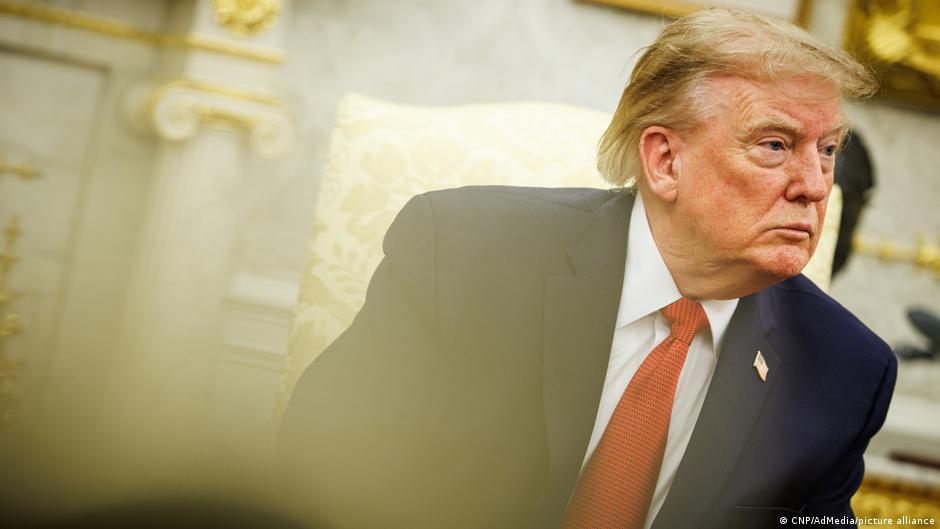
US President Donald Trump has declared the commencement of an extensive economic war against Iran, signaling a significant escalation in efforts to isolate Tehran through financial and trade sanctions. In a statement posted on his social media platform Truth Social on August 20, Trump described the move as the "most devastating economic operation ever conducted against any country," emphasizing the scale and severity of the campaign.
"Today, I announce the most crushing economic operation ever conducted against any country. This will be an economic war and isolation of unprecedented scale," Trump stated, outlining his administration's intensified approach to curtail Iran’s economic capabilities.
Strategic Economic Isolation and Global Implications
Trump further threatened "massive" sanctions against any nation that supports Iran or maintains business relations with the country. "We need the support of all our allies to isolate and defeat the Iranian threat," he stressed, underscoring the intent to build a broad coalition for economic pressure.
This announcement builds upon earlier US sanctions targeting critical sectors of the Iranian economy, including oil exports, shipping, and financial services. The overarching goal remains to deprive Tehran of revenue streams derived from energy exports, thereby constraining its regional influence and military capabilities.
The current step appears to be a continuation of the US campaign termed "Operation Economic Fury," which was initially publicized in early April. This ongoing operation aims to systematically dismantle Iran's economic infrastructure, leveraging both unilateral and allied sanctions.
"This will be an economic war and isolation of unprecedented scale," Trump said, indicating a shift towards more aggressive financial containment tactics.
Moreover, the United Arab Emirates (UAE) announced on August 18 a suspension of all trade, commercial exchanges, and financial transactions with Iran until further notice. The UAE authorities accused Tehran of launching two missiles aimed at UAE territory, allegedly targeting maritime shipping lanes. Iran has denied these allegations.
The UAE's move exemplifies the wider geopolitical impact of US-Iran tensions, reflecting the potential ripple effects on regional trade and investment flows. For multinational corporations operating in the Middle East, this signals increased risk and the necessity for strategic reassessment of market exposure to Iran and allied states.
In the context of corporate strategy, firms engaged in energy, shipping, or financial services sectors should anticipate further regulatory scrutiny and potential sanctions compliance challenges. The US administration's commitment to enforce these measures globally introduces heightened uncertainty in the competitive landscape, particularly for companies with multi-jurisdictional operations.
Going forward, multinational enterprises must weigh the risks of secondary sanctions and consider diversifying supply chains and financial partnerships to mitigate exposure. The unfolding scenario underscores the importance of agile compliance frameworks and proactive risk management in navigating the complex geopolitics shaping international trade.