Russia Labels StopTime Musicians ‘Foreign Agents’ After Year of Pressure
Russia added StopTime’s Naoko and Alexander Orlov to its foreign-agent register, deepening the constraints on an independent music project forced abroad.

Russia added StopTime’s Naoko and Alexander Orlov to its foreign-agent register, deepening the constraints on an independent music project forced abroad.

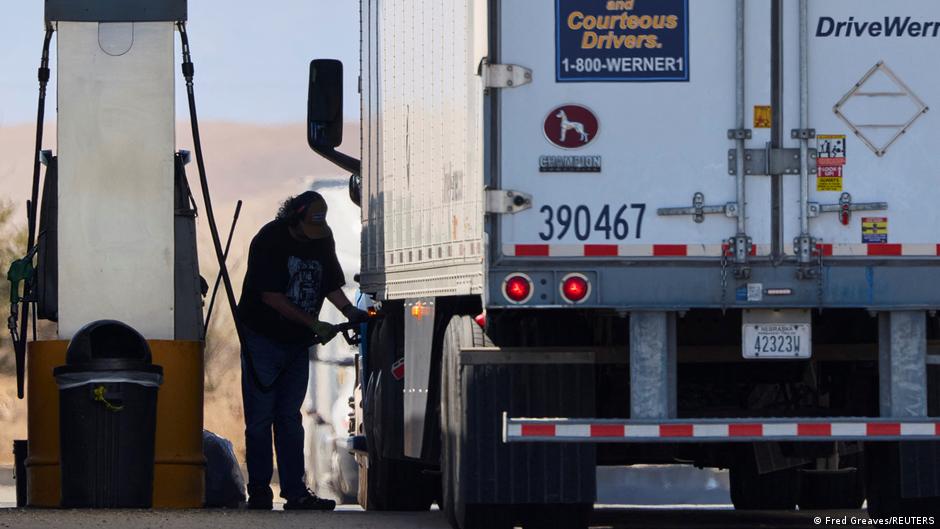
A bipartisan Senate group says easing sanctions on Russian diesel would fund Moscow’s war while offering little relief to U.S. fuel consumers.

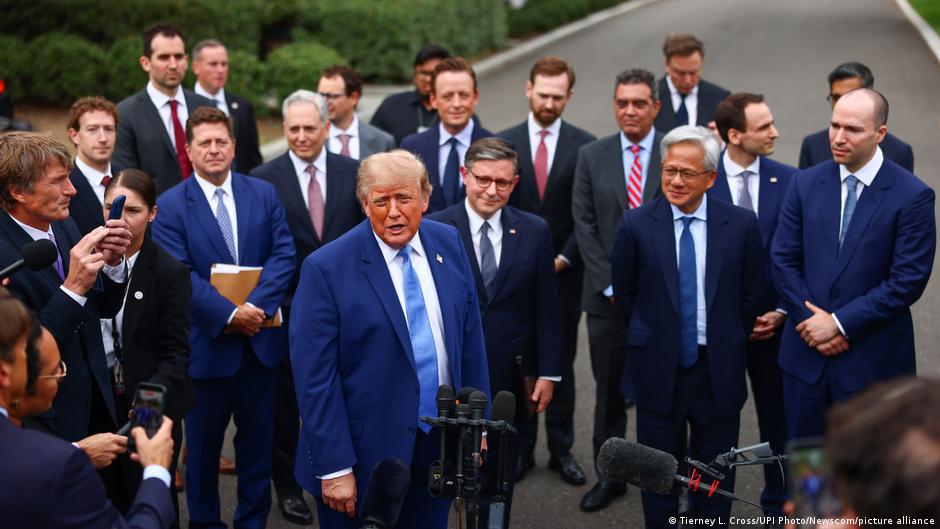
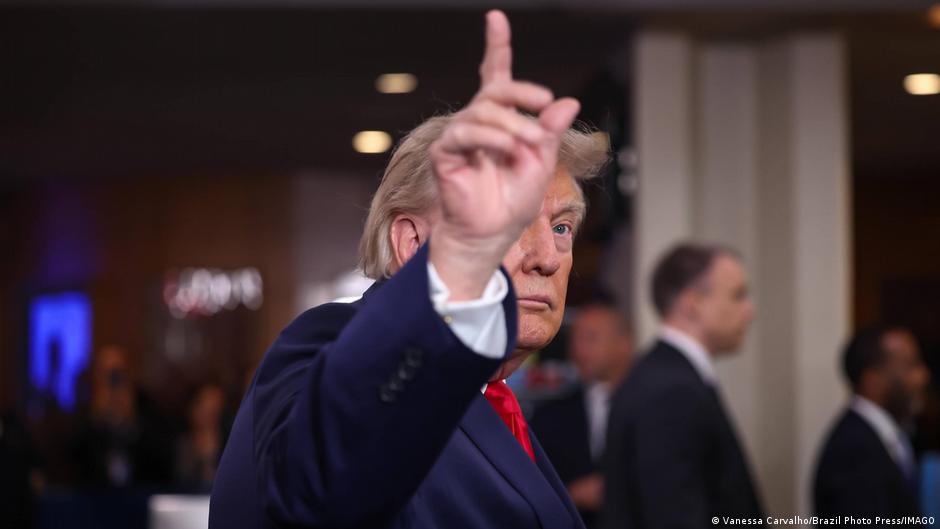
Trump said Putin is more interested than Zelensky in a Ukraine peace deal, as Kyiv urges Washington to pressure Russia over an energy ceasefire.
Reported U.S. pressure over Ukraine’s refinery strikes turns the PURL weapons program into a strategic lever in Kyiv’s war planning.

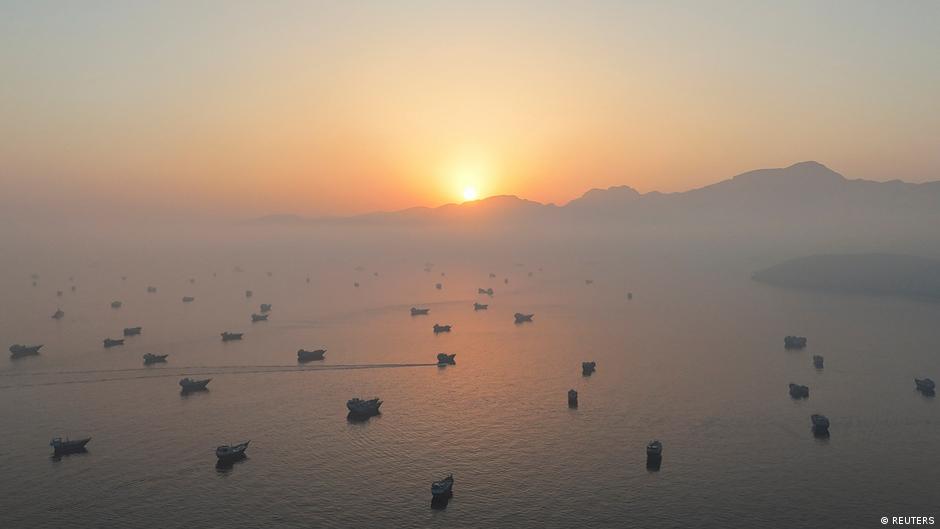
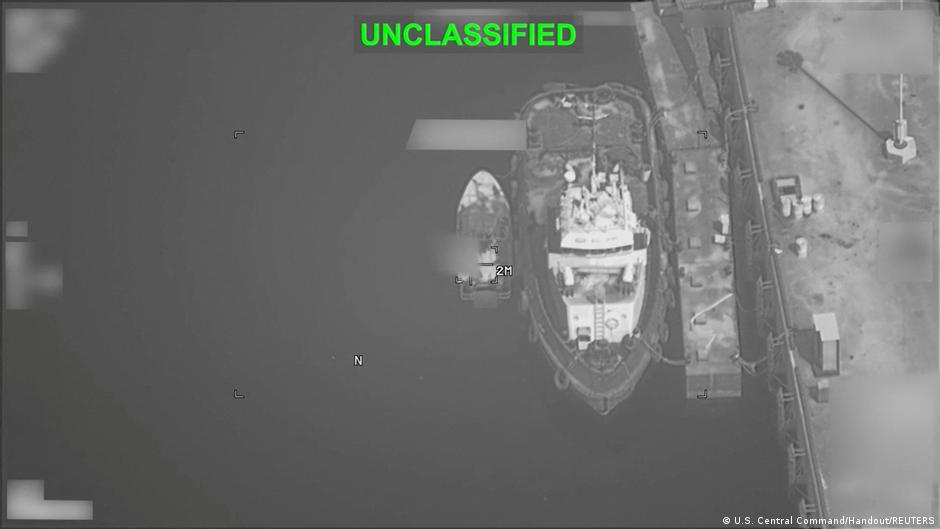
CENTCOM’s strike on the M/V Ocean Molica highlights rising maritime enforcement risks for shipping, energy markets and companies exposed to Gulf routes.

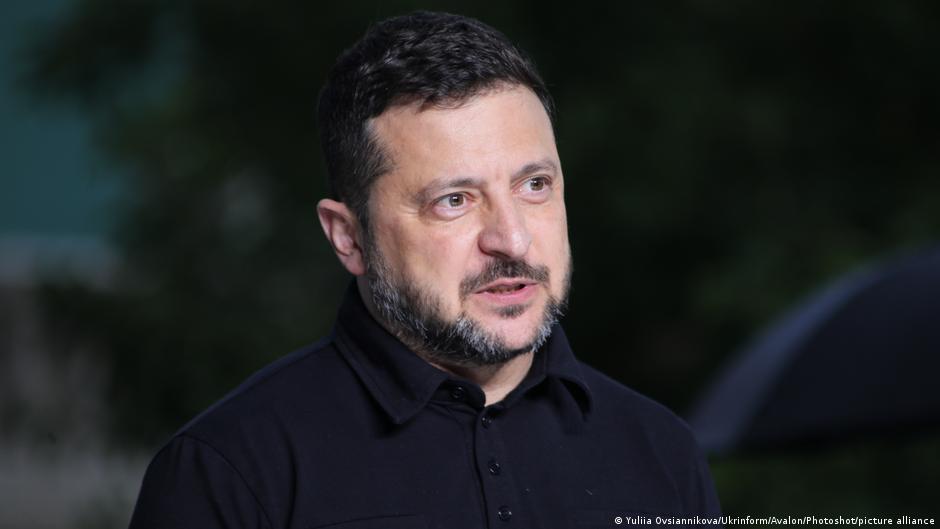
Zelenskyy warned that a US-Russia diesel arrangement could boost Moscow’s war economy unless tied to clear de-escalation terms.

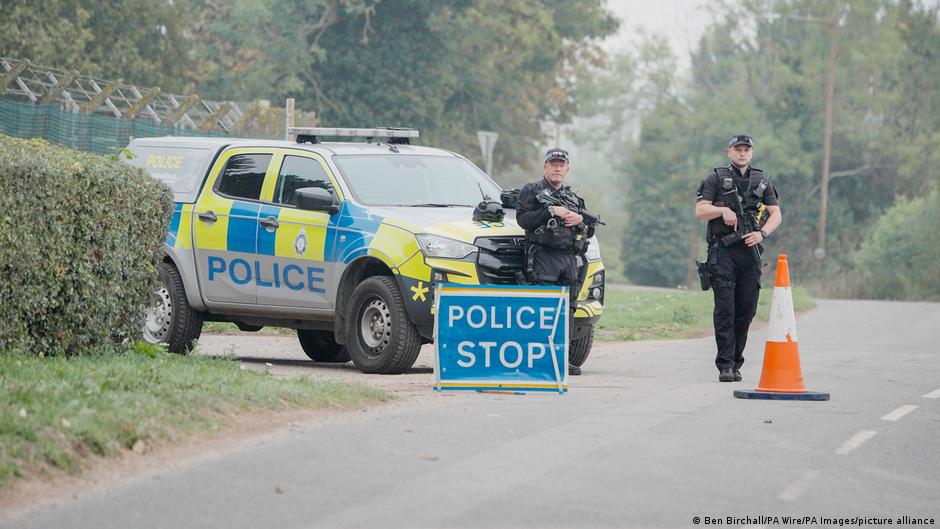
Two Latvian citizens were detained after breaching RAF Molesworth, raising security and business-risk questions around strategic defense sites.

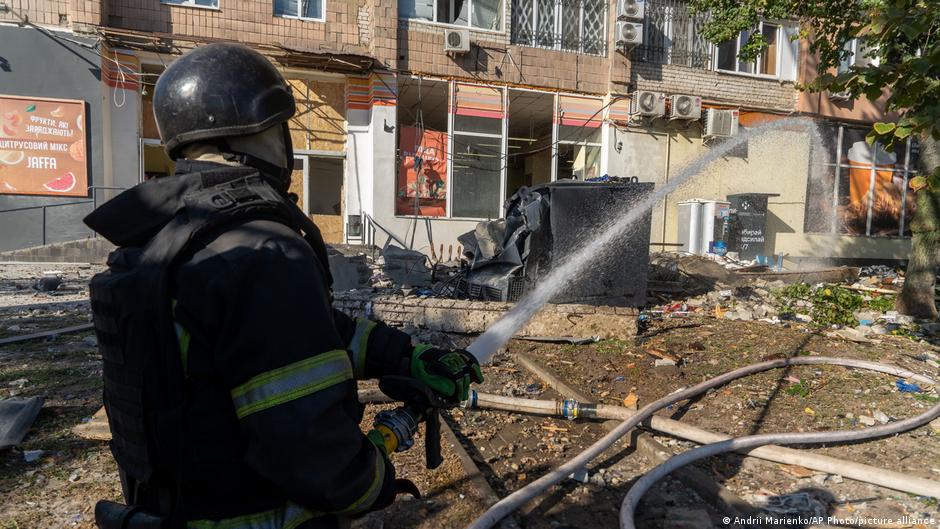
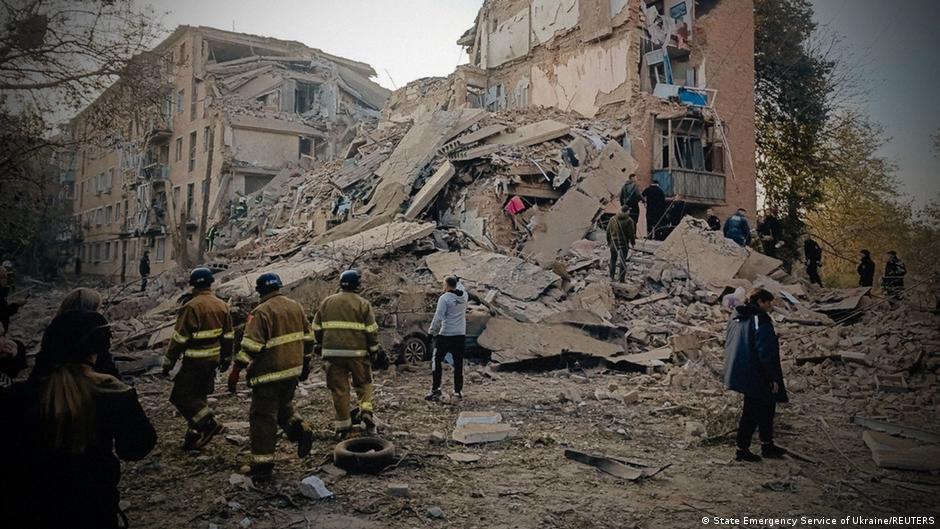
Ukraine says 28 people were killed in a Russian missile and drone barrage, as Kyiv links escalation to sanctions pressure and oil revenue.

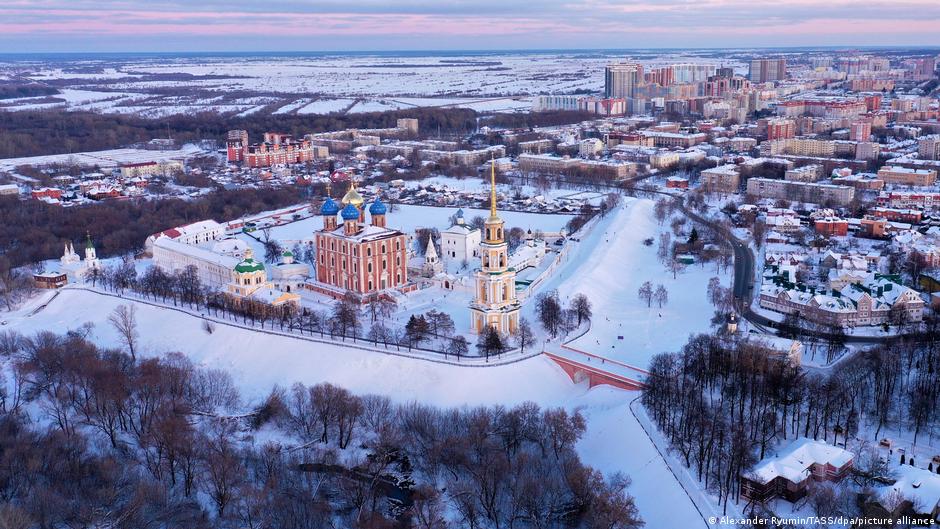
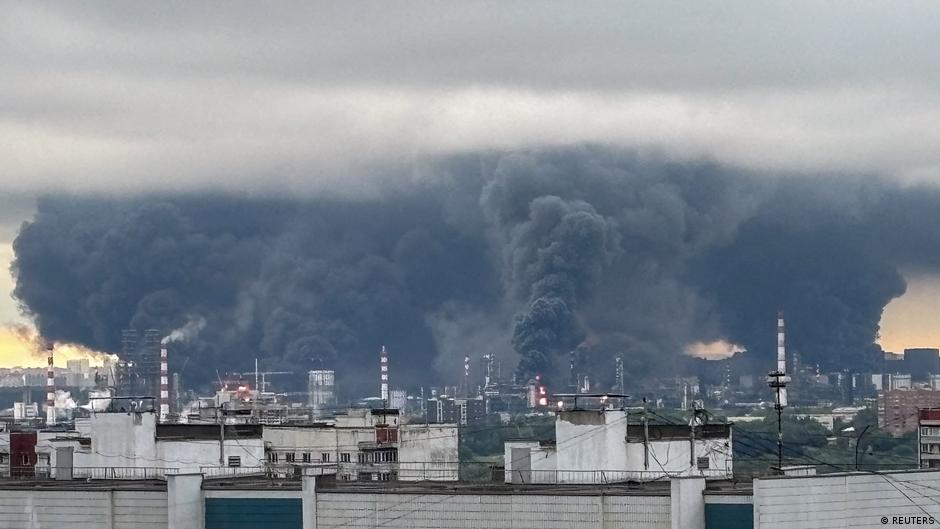
A reported fire at Sasta’s Ryazan-region site highlights the business risks where sanctioned manufacturing and cloud infrastructure intersect.

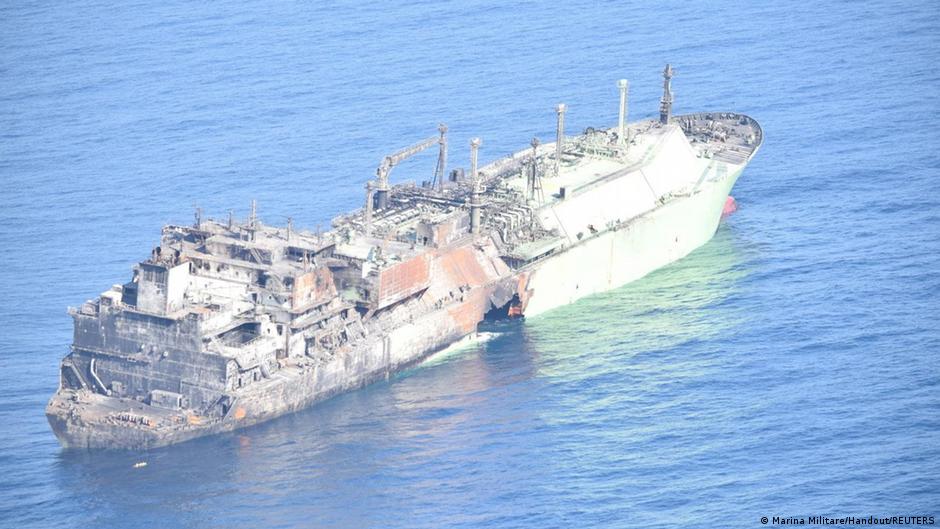
A tanker fire near Sochi has exposed the business risks facing Russian-linked oil shipping routes in the Black Sea.

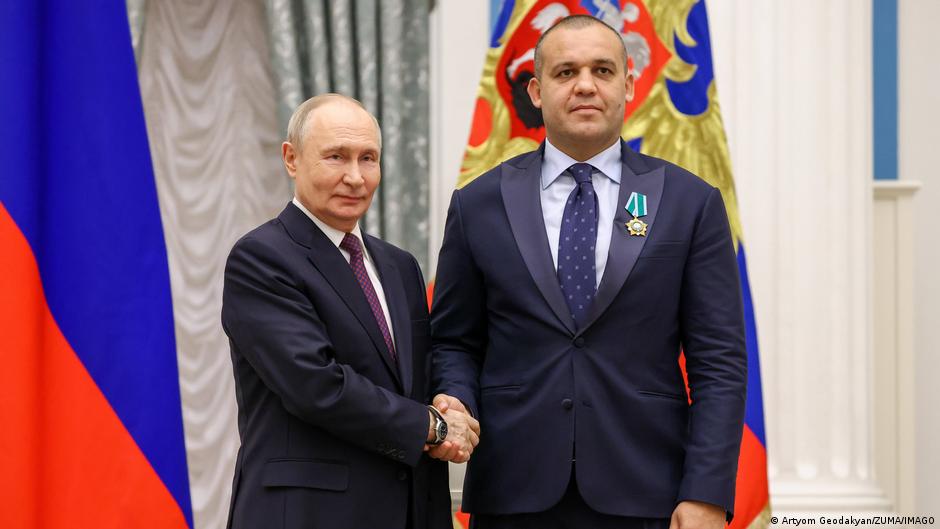
Umar Kremlev says Donald Trump Jr. repaid costs linked to wedding festivities, keeping scrutiny on private ties and political risk.

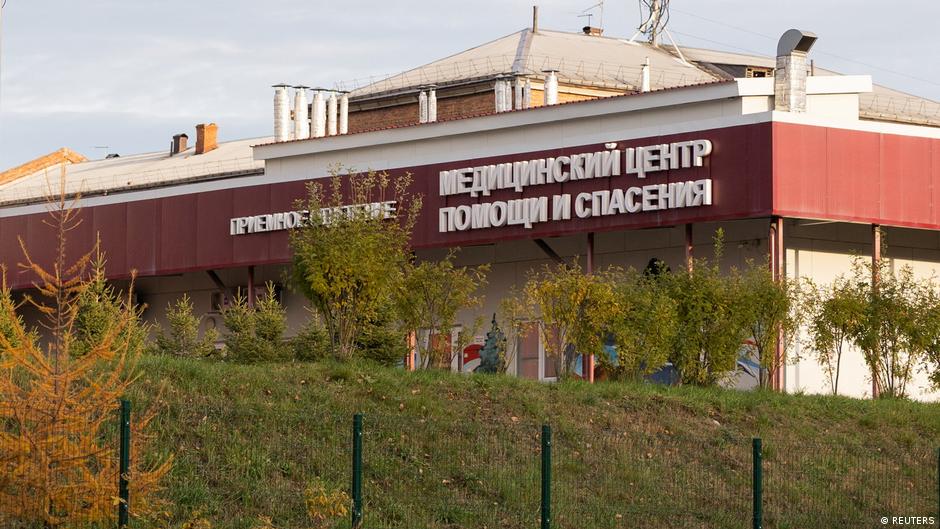
A planned Trump-Putin call over Irkutsk health reports is raising public health, operational and corporate-risk questions for firms exposed to Russia.

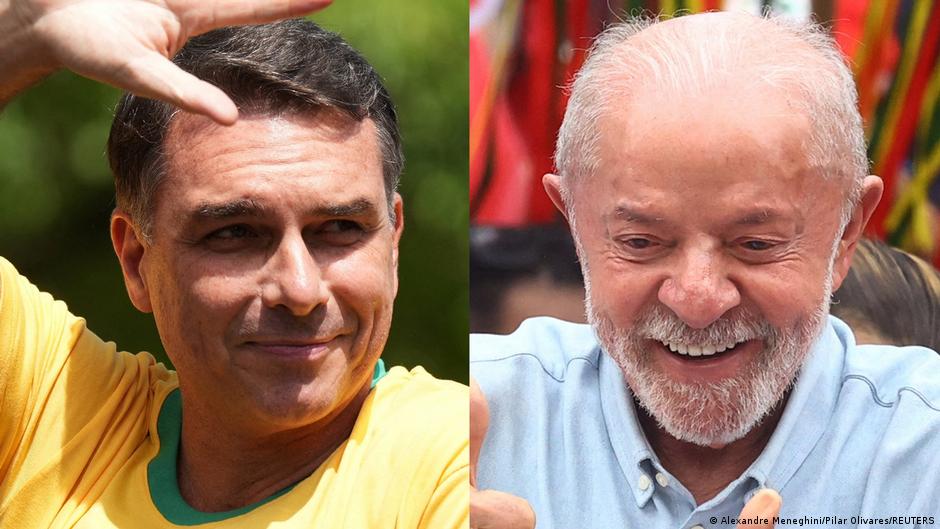
Flávio Bolsonaro leads Brazil’s first-round presidential vote, setting up an October 25 runoff with Lula and raising business risk questions.

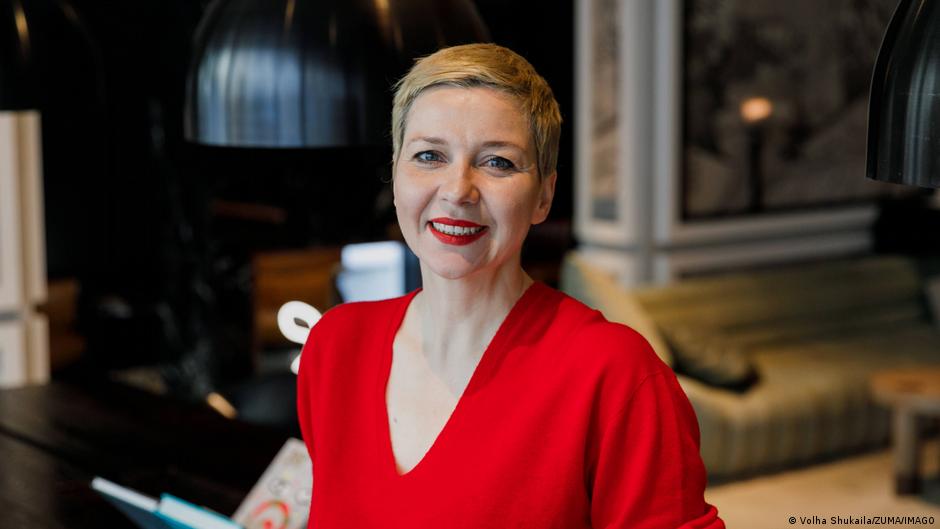
Maria Kolesnikova says EU diplomacy with Minsk could free prisoners and reduce Russia’s influence in Belarus if tied to sanctions leverage.

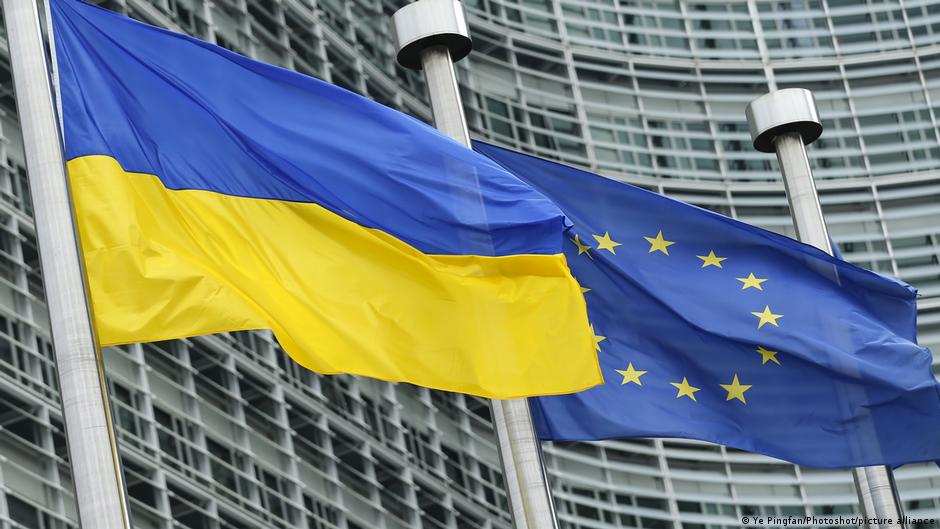
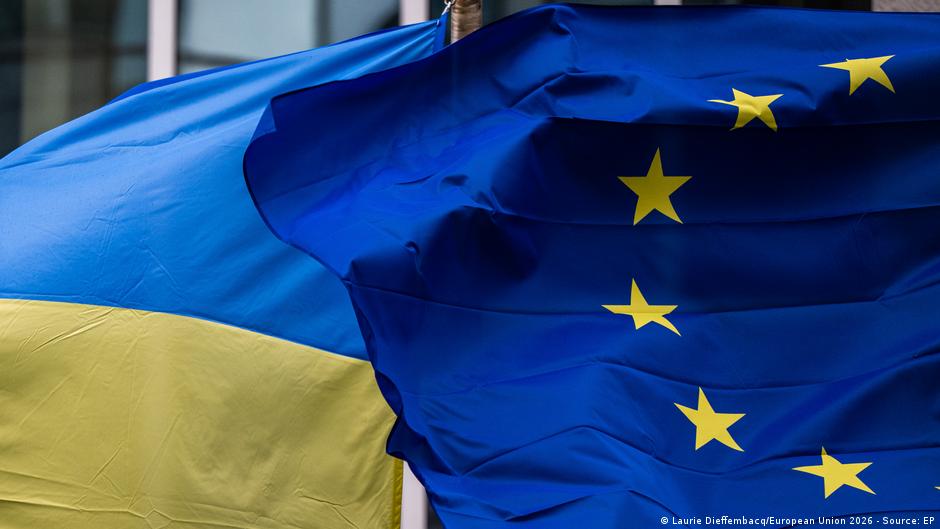
The EU declined to front-load part of Ukraine’s €90 billion loan, arguing that early disbursement would shift funding pressure into 2027.

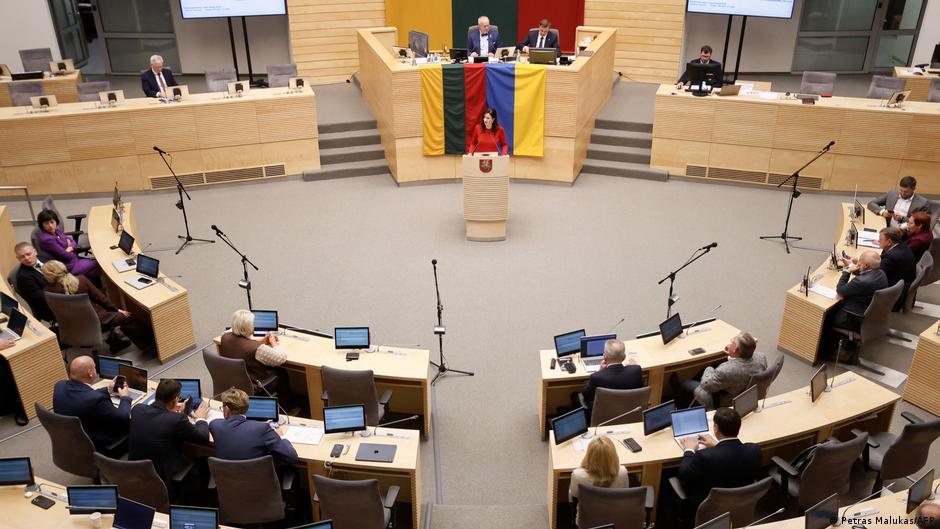
Lithuania’s proposed property curbs would limit Russian and Belarusian purchases near strategic sites, expanding security-driven market rules.

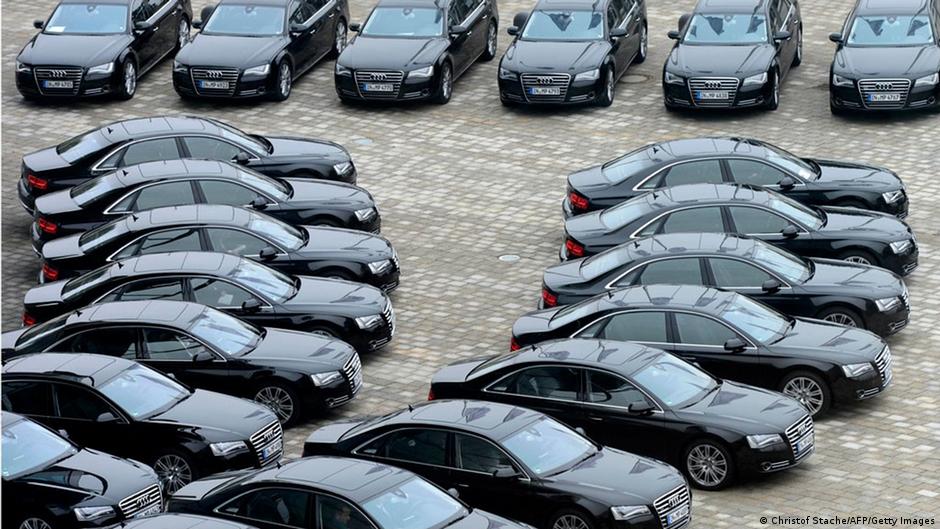
Raids in Germany and Austria point to tougher enforcement against alleged third-country routes for vehicle exports to Russia.

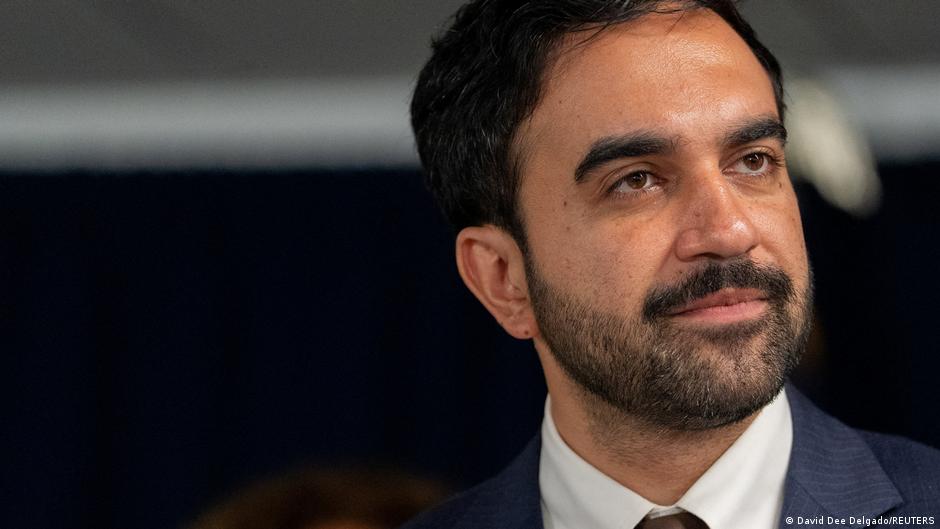
New York Mayor Zohran Mamdani is using a major hate-crime funding increase to address antisemitism while managing political and community risk.

Trump’s AI accord gives major technology companies a central role in oversight while preserving room for future regulation.

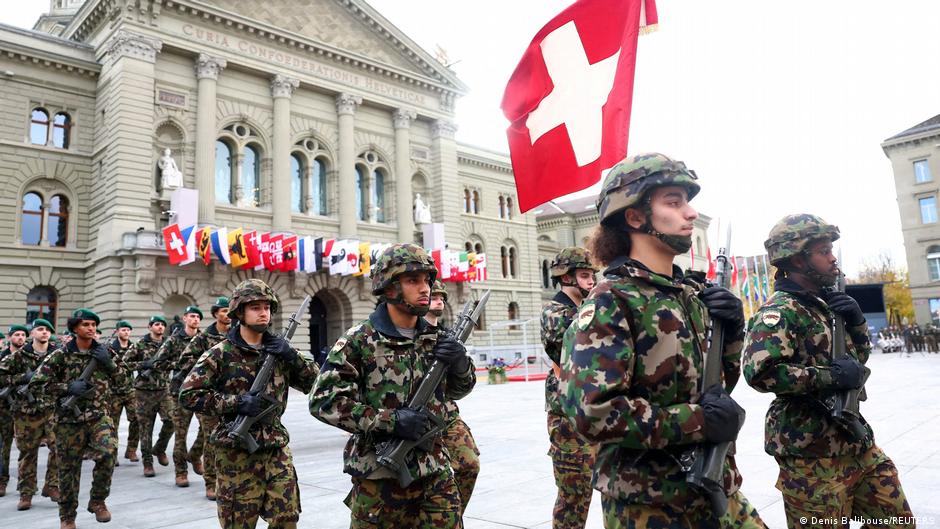
Swiss voters rejected a neutrality initiative that would have sharply limited sanctions policy and constrained Bern’s strategic flexibility.

Ukraine sanctioned 44 people accused of helping organize Russian Duma elections in occupied regions, as the EU prepares similar measures.

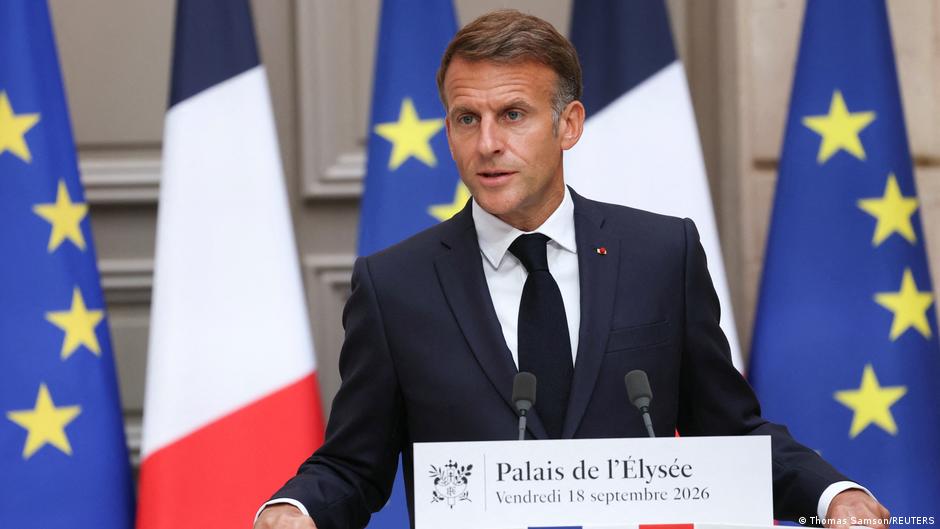
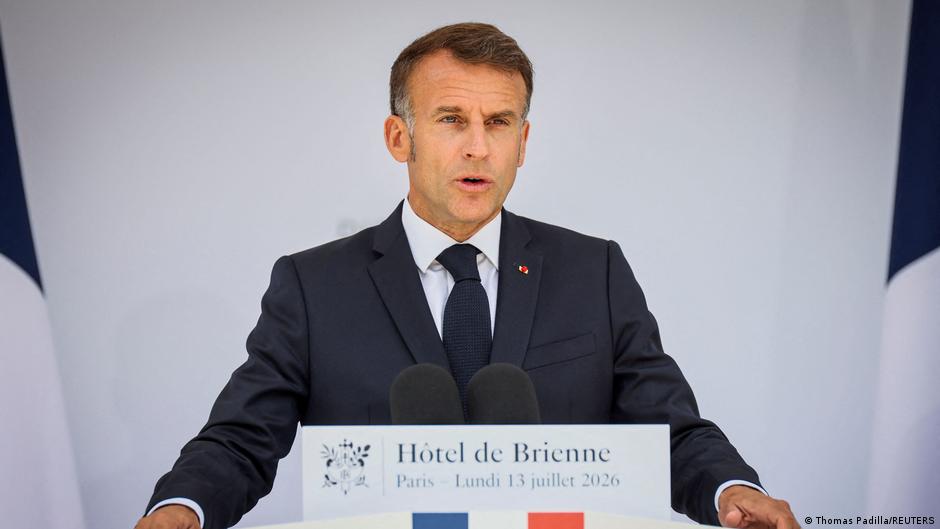
Macron says France sees a Russian mobilization of about 300,000 people as credible, while warning Europe faces rising hybrid threats.

CREA says Russia’s ship registry grew 36% as sanctioned shadow-fleet vessels shifted flags to preserve oil and LNG trade routes.

U.S.-Iran talks in New York reopen a diplomatic channel, but sanctions, Hormuz shipping and Trump’s threats keep business risk high.

Kaja Kallas urged EU envoys to renew Russia sanctions as disputes over Alisher Usmanov and Mikhail Fridman test the bloc’s unity.

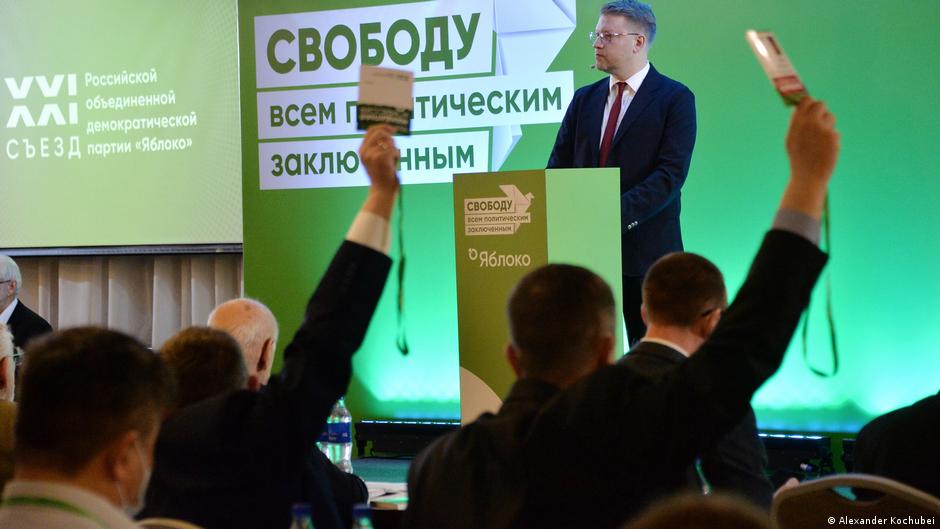
Yabloko’s 6.2% Novgorod result secures regional representation and preserves a key route into future State Duma elections.

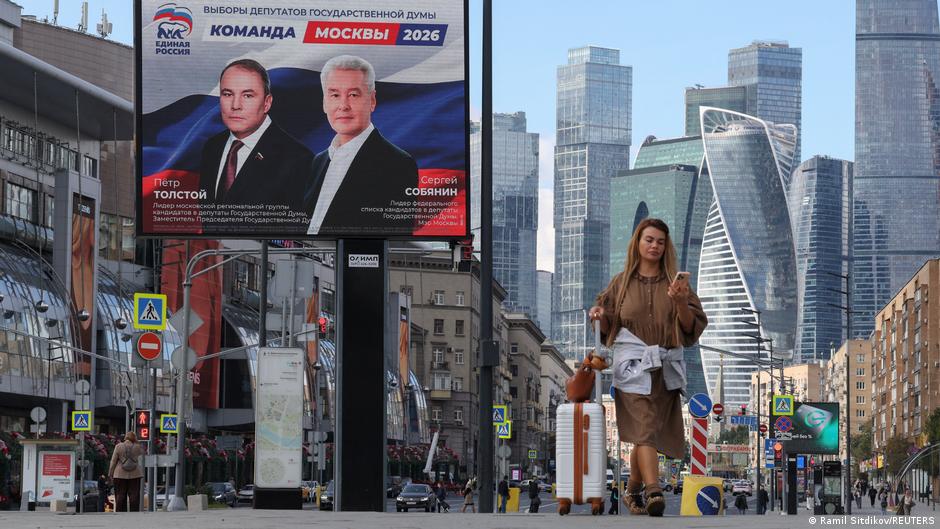
United Russia leads Russia’s Duma vote count with 57.76%, positioning the ruling party for a constitutional majority.

A mass drone attack near Moscow killed two people, disrupted airports and damaged logistics, residential and energy assets.

Trump signed the Graham sanctions law, giving the White House broad power to target Russian energy buyers, banks and shadow fleet networks.

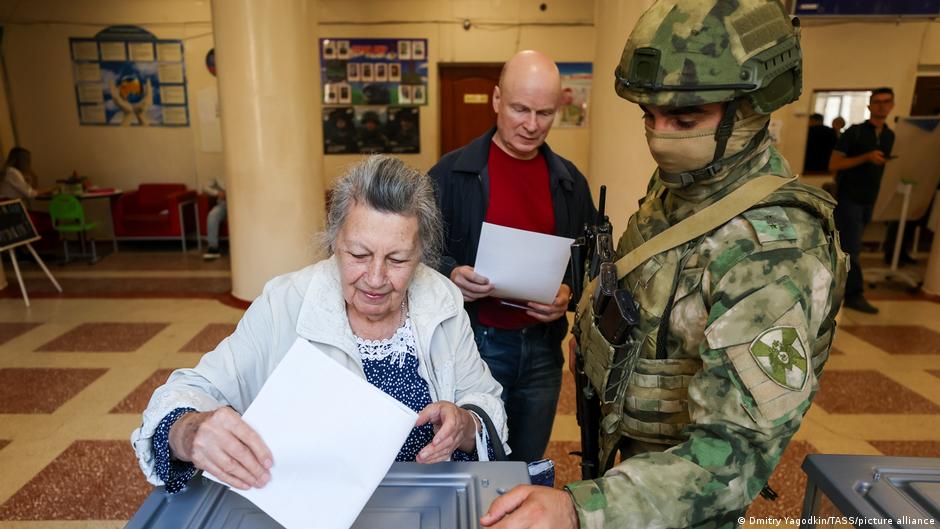
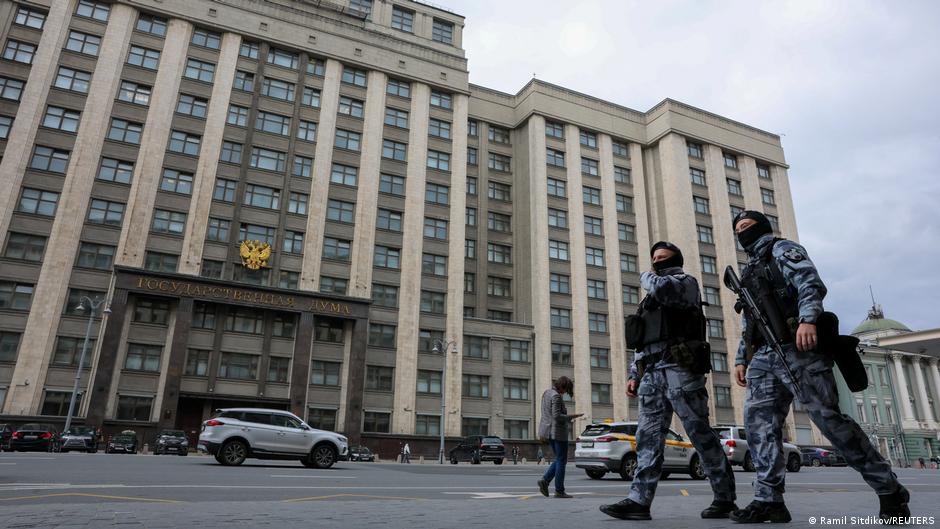
Russia’s three-day Duma vote highlights managed competition, occupied-territory voting and preemptive claims about AI-generated election footage.

U.S. prosecutors allege a Russian state-linked network financed attacks and plotted killings, raising wider geopolitical risk concerns.

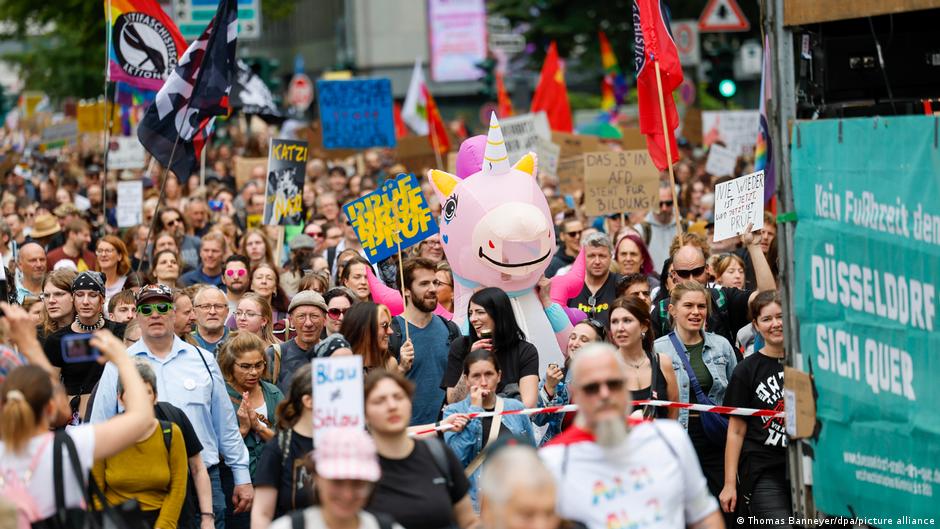
Mass protests across Germany after AfD gains point to rising political risk for companies, investors and regional business planning.

Russia will attend G20 energy talks in Houston, testing U.S. strategy as energy security, sanctions and shipping risks dominate the agenda.

Belarus will expand military readiness checks up to mobilization level, raising strategic, governance and regional risk questions.

CENTCOM says it destroyed five Iranian oil tankers after missile attacks on a U.S. Navy ship, escalating pressure on Tehran’s oil network.

Macron is seeking an EU-wide under-15 social media ban after France’s Constitutional Council blocked a national measure.

Germany plans a counter-drone and cyber shield that would give critical infrastructure operators a larger role in national defense.

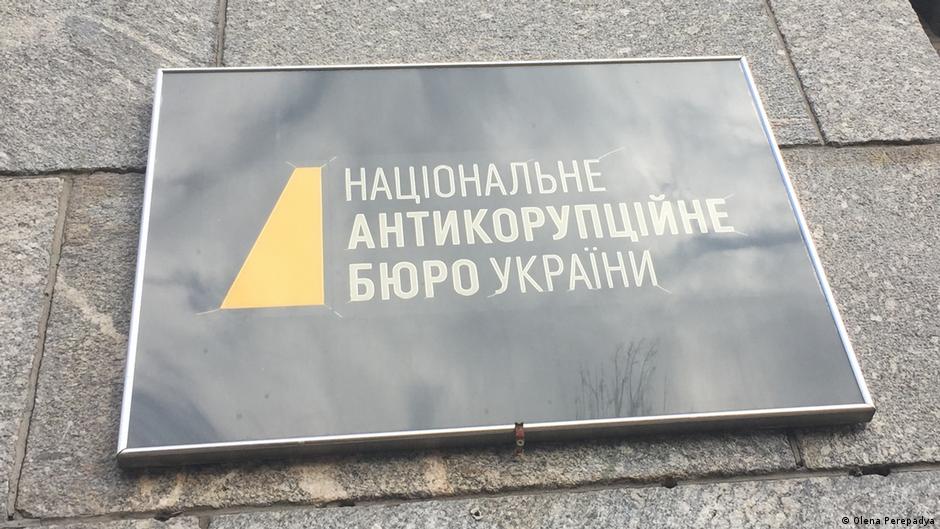
NABU and SAP searched Ukraine’s Prosecutor General’s Office in a case tied to alleged protection of fraudulent call centers.

Latvia says a Leipzig sabotage suspect had been living in Russia, deepening a case with implications for logistics security, visas and EU sanctions policy.

Uzbekistan has overhauled tax, licensing and business protections since 2016, reshaping market entry, compliance costs and the wider corporate environment.

Germany’s closure of Russian facilities signals a broader strategy of constraining Moscow’s operational reach, not just issuing a diplomatic protest.

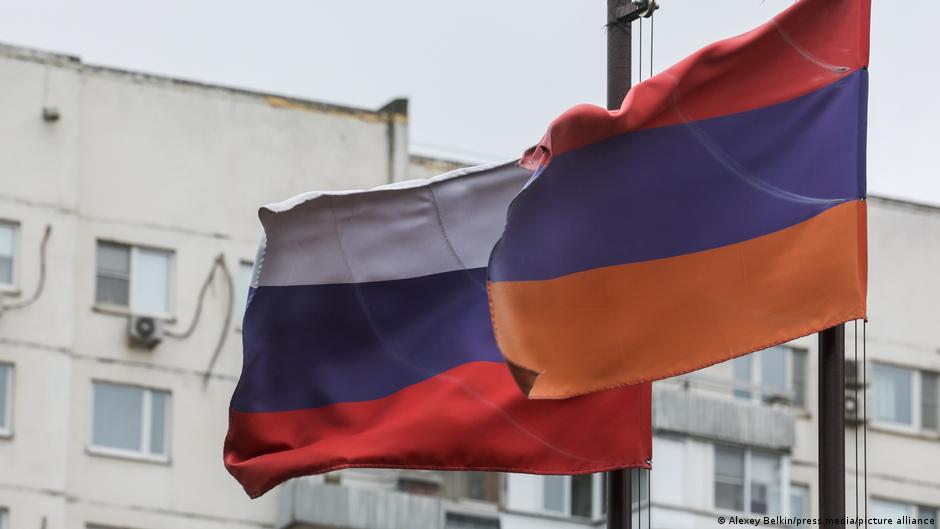
Putin told Pashinyan that Armenia’s move toward EU membership would effectively mean leaving the EAEU, raising the stakes for trade and strategy.

Washington reportedly told Moscow not to expect sanctions relief or wider economic deals before the war in Ukraine ends, reinforcing a hard-line policy stance.

Meta’s $18 billion settlement requires sweeping child-safety changes on Facebook and Instagram, but success depends on flawed age-verification technologies and strategic industry positioning.

Nearly 100 people were detained during a raid on a secret music festival near Vyborg, Russia, over political songs and drug use allegations, highlighting risks for underground event organizers.

Russia permits individuals with limb amputations to drive buses and trucks, reflecting strategic moves to enhance workforce inclusion and leverage automation in public transport.

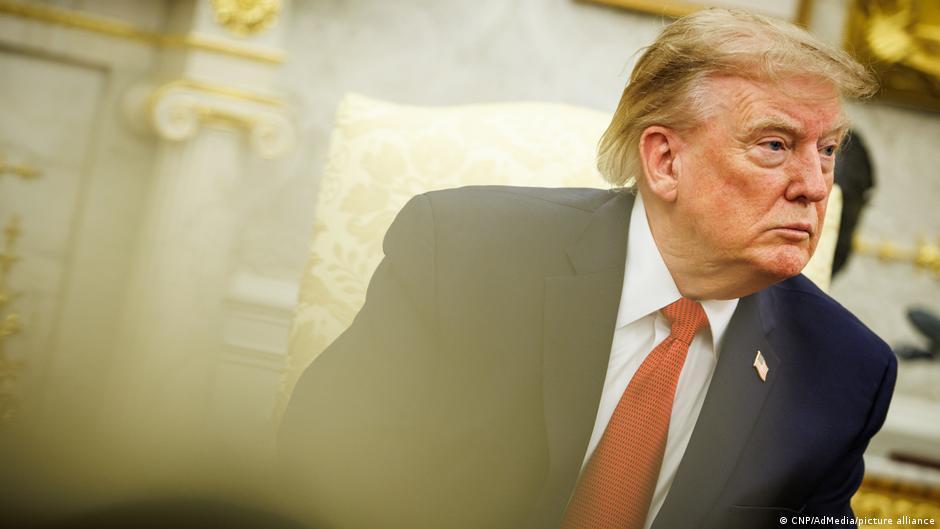
US President Donald Trump launches an unprecedented economic war against Iran, imposing broad sanctions and urging global allies to isolate Tehran commercially and financially.

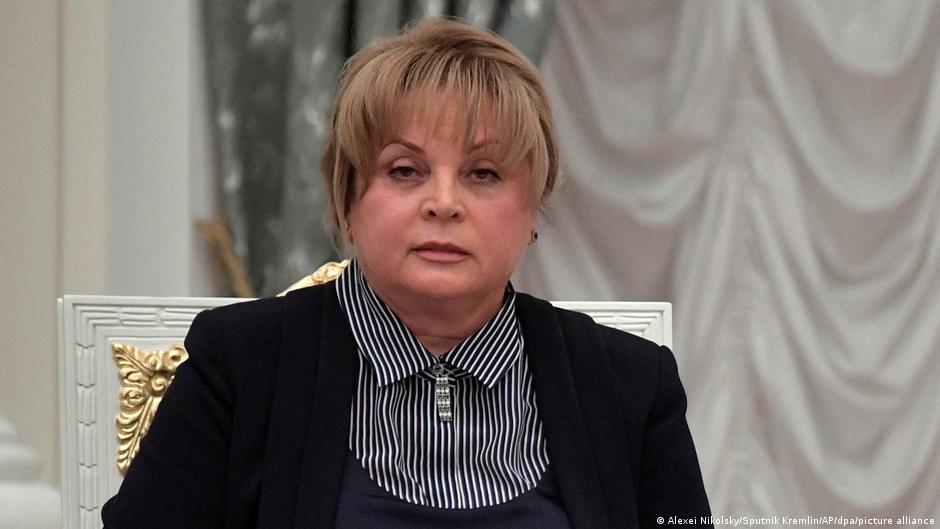
Russia’s election chief advocates stripping emigrated citizens labeled as foreign agents of their voting rights, underscoring tightening electoral controls amid geopolitical tensions.

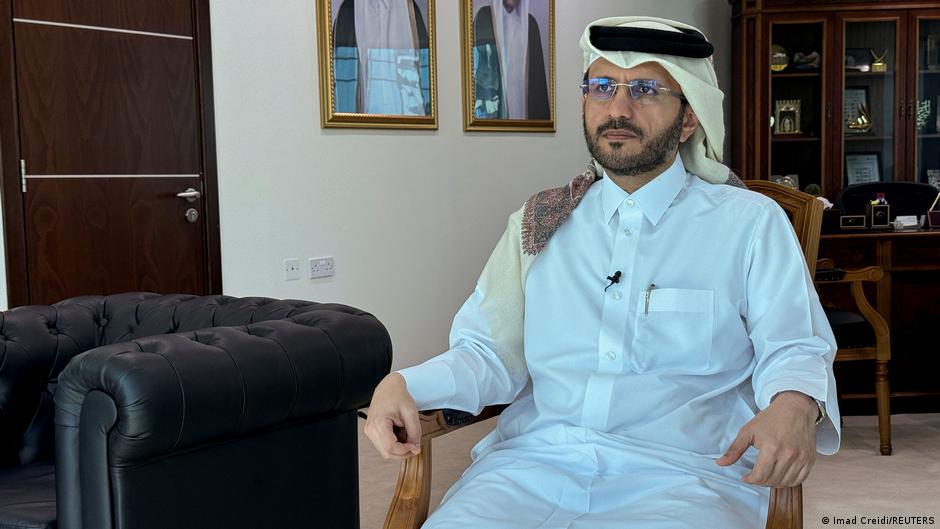
Qatar denies detaining Iranian pilots after an airspace violation, emphasizing compliance with international law amid ongoing diplomatic efforts to reduce Middle East tensions.

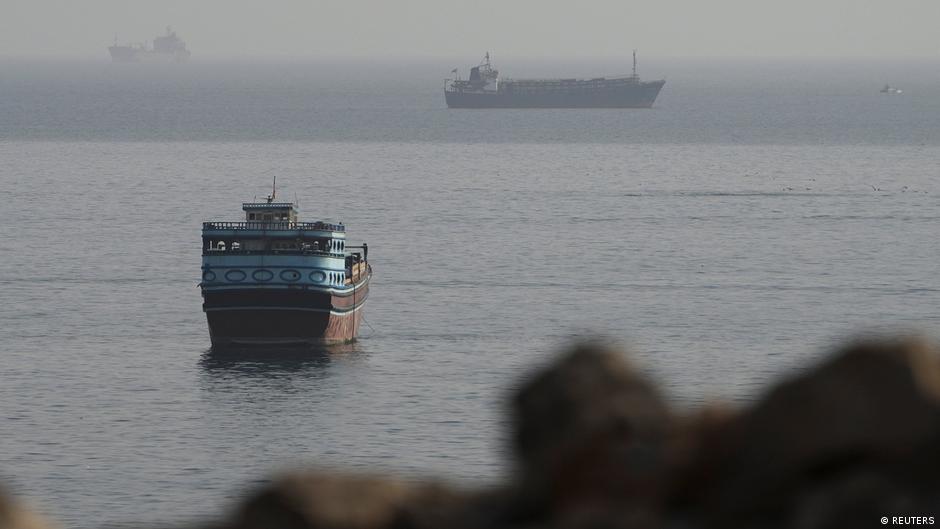
The US disabled the steering of a Panamanian container ship attempting to breach Iran’s blockade, reinforcing control over the Strait of Hormuz and signaling risks for maritime trade.