Fire at Sasta Site Puts Yandex Data-Center Exposure in Strategic Focus
A reported blaze at a sanctioned machine-tool plant in Ryazan region highlights the overlap between industrial assets, cloud infrastructure and wartime risk.
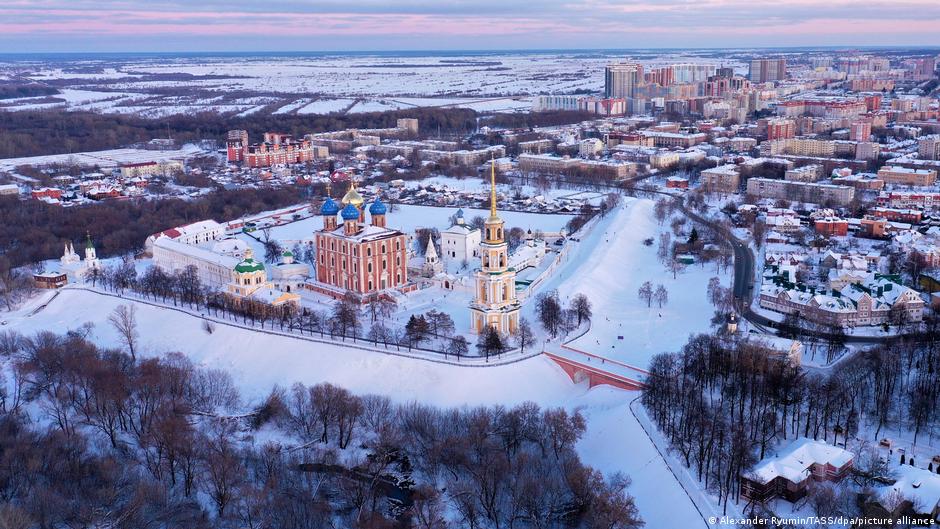
A fire broke out in Sasovo, in Russia’s Ryazan region, on the grounds of the Sasta plant, where a Yandex DC data center is located, according to the Russian-language outlet Astra. The incident, reported overnight on Thursday, October 8, places renewed attention on the increasingly complex relationship between industrial manufacturing sites, digital infrastructure and geopolitical risk for major Russian technology and industrial groups.
Sasta manufactures CNC metalworking machines, a category of equipment that is strategically important for precision manufacturing. According to Astra, the company’s machinery is used across the defense, aerospace, transport and heavy-industry sectors. The outlet said its assessment that the Yandex DC facility is located at the site was based on OSINT analysis, adding that data-center employees had themselves recently shown equipment and directly stated that the facility was in Sasovo, Ryazan region.
“The significance of Sasta for Russia’s defense-industrial complex is not in producing finished weapons, but in supporting the production base,” Astra wrote, saying its machines are needed to make high-precision metal parts and assemblies.
For a business audience, the central issue is not only the reported fire itself, but the concentration of multiple forms of critical capacity at one industrial location. The presence of a data center associated with Yandex DC on the territory of a plant tied to advanced manufacturing raises questions about site selection, operational resilience, infrastructure dependencies and exposure to sanctions-linked assets.
Operational Risk Meets Industrial Strategy
Sasta’s business profile sits within a sector that can be both commercially valuable and strategically sensitive. CNC machine tools are foundational equipment in modern manufacturing because they enable consistent production of complex, high-precision components. Astra reported that Sasta equipment is used in defense, aerospace, transport and heavy industry, sectors that typically require durable supplier relationships and specialized machinery.
The plant has also become part of a wider sanctions landscape. Astra noted that Sasta is under sanctions from Canada, Switzerland, the European Union, the United Kingdom, Australia, New Zealand and Japan. Those restrictions are relevant from a corporate strategy perspective because they can affect access to components, software, financing, insurance, logistics and international counterparties. Even when a company’s core function is industrial rather than consumer-facing, sanctions can reshape its supplier base, increase procurement complexity and force management teams to depend more heavily on domestic or alternative channels.
Against that backdrop, the reported presence of a Yandex DC data center at the same site adds another layer of business significance. Data centers are capital-intensive assets that depend on stable power, cooling, connectivity, security and predictable maintenance access. When they are located near or within industrial facilities, they may benefit from available land, power infrastructure or existing secured perimeters. But such arrangements can also tie cloud or digital-service continuity to the operating environment of a separate industrial enterprise.
Astra later drew attention to a report about power supply disruptions affecting a separate availability zone of the Yandex Cloud platform. The Yandex Cloud team said the situation had stabilized 40 minutes after the disruptions appeared. The source text does not establish a causal link between the reported fire and the cloud-platform issue, but the timing is likely to draw scrutiny from customers and competitors focused on service reliability.
Cloud Resilience and Competitive Positioning
For Yandex, the broader competitive question concerns trust. Cloud providers compete not only on price, technical features and ecosystem integration, but also on resilience, transparency and the ability to isolate incidents before they affect customers. Any interruption in a cloud availability zone can become commercially sensitive, particularly for enterprise clients that run business-critical workloads on hosted infrastructure.
The reported stabilization within 40 minutes is important because rapid recovery is a core measure of cloud operational maturity. At the same time, the incident underlines why corporate customers increasingly ask detailed questions about redundancy, data-center geography, backup power, disaster recovery and concentration risk. In markets affected by sanctions and wartime infrastructure pressure, those questions become even more central to procurement decisions.
The competitive landscape is also shaped by the strategic role of domestic cloud infrastructure. Russian technology groups operating in cloud services face demand from companies that may have fewer foreign-provider options because of geopolitical restrictions, compliance considerations or market exits. That can create opportunities for local platforms, but it also raises the stakes: customers that consolidate workloads with domestic providers need confidence that service availability can withstand power, security and infrastructure disruptions.
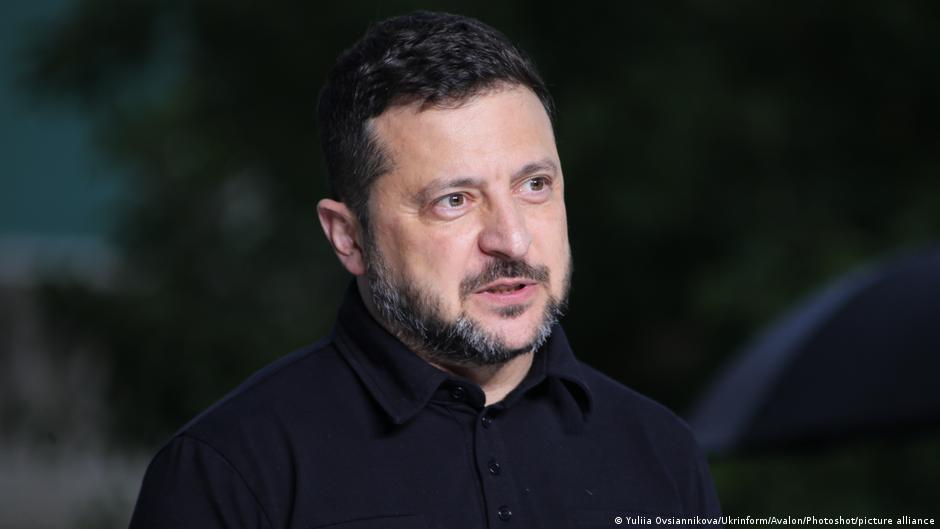
The fire report also comes after Russia’s armed forces began striking infrastructure belonging to the Ukrainian telecom operator Cosmonova on September 25, including a data center, according to the source article. The strikes led to internet and television disruptions in Kyiv. On October 3, Ukrainian President Volodymyr Zelensky commented on attacks against Ukrainian data centers, saying they affect ordinary people and are not military infrastructure. He added that communications are used not only in Ukraine, but also in Moscow.
That comparison places data centers within the wider conflict-era debate over what counts as critical civilian infrastructure. From a corporate-management standpoint, the issue is practical as much as political. Telecommunications nodes, cloud platforms and data centers have become essential to banking, retail, media, government services and industrial operations. Disruption to such assets can ripple quickly across commercial systems, even when the immediate physical event is localized.
For Sasta, the reported blaze may reinforce the importance of its role in Russia’s manufacturing base and the vulnerabilities attached to that role. For Yandex DC and Yandex Cloud, the commercial implications depend on whether customers perceive the incident as isolated or as a signal of broader infrastructure exposure. Management teams in both industrial and digital sectors will be watching not only for damage assessments, but for evidence of continuity planning, redundancy and communication discipline.
The episode ultimately illustrates a central feature of the current Russian business environment: industrial strategy, sanctions exposure and digital infrastructure are no longer separate risk categories. They increasingly intersect at the level of physical sites, power systems and management decisions. For companies operating in or around strategically sensitive assets, the competitive advantage may lie as much in resilience and transparency as in production capacity or platform scale.