Ukraine Sanctions 44 Over Russian Duma Vote in Occupied Territories
Kyiv’s move targets organizers of Russia’s parliamentary elections in occupied regions as the EU signals readiness to expand its own sanctions lists.
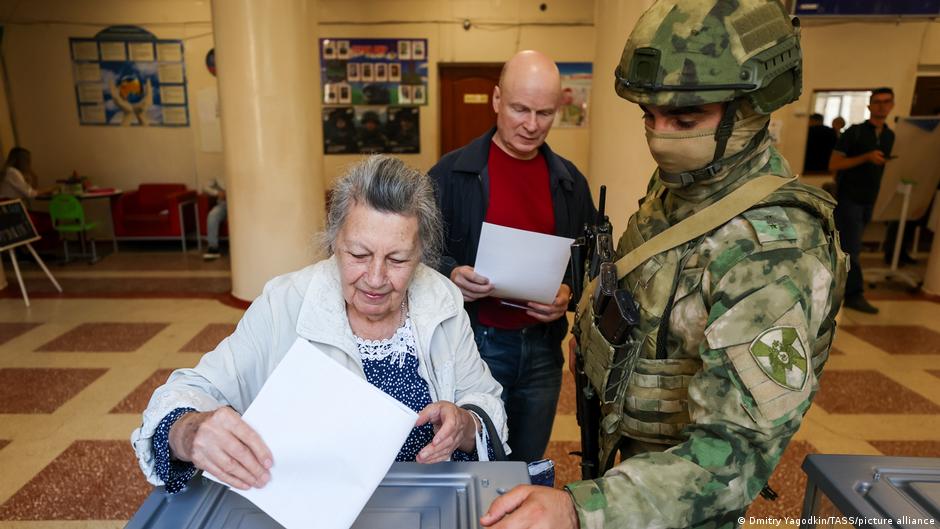
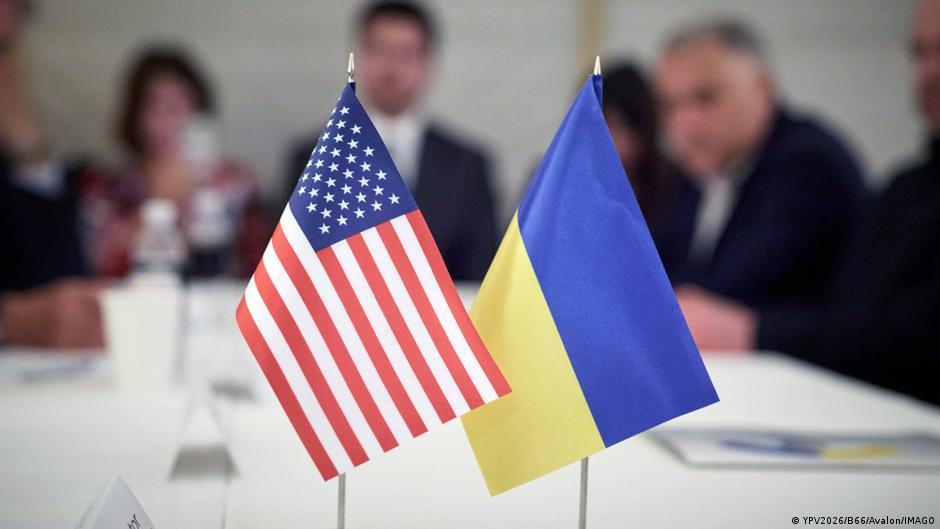
Ukrainian President Volodymyr Zelensky has imposed sanctions on individuals accused of helping organize Russian State Duma elections in territories of Ukraine occupied by Russia, a step that extends Kyiv’s political and legal campaign against Moscow’s efforts to integrate those regions into Russian state structures.
The restrictions, announced on Saturday, September 27, apply to 44 people. According to the Office of the President of Ukraine, 38 of those sanctioned hold both Ukrainian and Russian citizenship. Ukrainian officials said some of the individuals had already been “elected” as so-called deputies of illegally created local councils on temporarily occupied Ukrainian territory.
For business and political risk observers, the sanctions are significant not only as a diplomatic response, but as part of a broader contest over institutional control, administrative legitimacy and the governance architecture Russia is building in occupied areas. Elections, local councils and parliamentary representation are being used by Moscow to formalize a political management system in territories seized during the war. Kyiv’s sanctions are designed to raise the personal cost of participation in that system.
Sanctions as a Governance and Control Tool
The Russian State Duma elections were held from September 18 to 20. For the first time in parliamentary elections, Russian authorities organized voting in occupied parts of Ukraine’s Kherson, Zaporizhzhia, Donetsk and Luhansk regions. Ukraine and its Western allies have rejected both the process and the results as illegal.
The European Union has also said it is ready to impose sanctions on people who facilitated the holding of the “elections” in occupied Ukrainian territories. That alignment between Kyiv and Brussels matters: coordinated sanctions can limit the mobility, financial access and international legitimacy of individuals who accept roles in Russia’s occupation administration.
Ukraine and its Western allies have recognized the election process and its results as illegal.
From a corporate strategy perspective, the latest measures reinforce a key reality for companies assessing exposure to Russia-linked jurisdictions: administrative changes imposed by Moscow in occupied territories are not recognized by Ukraine or its partners. That creates a high-risk environment for contracts, property claims, banking relationships, logistics and compliance decisions tied to those regions.
Although the sanctions target individuals rather than companies, they form part of a wider compliance landscape. Executives, banks, insurers, professional services firms and suppliers operating internationally must track not only formal business entities but also politically exposed persons and local officials connected to occupation structures. The dual citizenship profile of many of those sanctioned further complicates due diligence, because individuals may have Ukrainian records, Russian documentation and roles in Moscow-backed institutions.
Russia’s Electoral Strategy in Occupied Regions
For the 2026 State Duma elections, Russian authorities for the first time created separate single-mandate constituencies for Ukrainian regions occupied after 2022. That decision reflects a strategic shift: rather than relying solely on military control and appointed administrators, Moscow is constructing electoral channels designed to connect occupied territories directly to Russia’s federal political system.
According to the announced Russian results, several candidates were declared elected from single-mandate districts in the occupied regions. In the so-called “DNR,” they included First Channel war correspondent Irina Kuksenkova and Alexander Borodai, a former “head” of the self-proclaimed republic. In the so-called “LNR,” Russian authorities named “local parliament deputies” Denis Kolesnikov and Ivan Sanaev. In occupied parts of Zaporizhzhia region, Alexei Tikhomirov was declared elected, while in Kherson region the seat went to Elena Dmitruk, described as a “deputy chair” of the local parliament. All of them ran as candidates of United Russia.
The dominance of United Russia is strategically important. It indicates that the Kremlin’s ruling party is being used as the primary vehicle for political consolidation in occupied territories. The party’s role extends beyond campaigning; it functions as a management platform linking local collaborators, federal institutions and Moscow’s policy priorities. In practical terms, that can shape budget flows, appointments, public-sector procurement and the administrative chain of command.
In addition to the single-mandate winners, eight more representatives of the “authorities” in occupied Ukrainian territories entered the Russian State Duma through federal party lists. Among them was Sergey Arbuzov, a former first deputy prime minister of Ukraine under President Viktor Yanukovych and former head of the National Bank of Ukraine. He was nominated by the party A Just Russia.
Arbuzov’s inclusion highlights another element of Moscow’s political strategy: the use of former Ukrainian officials and public figures as assets in legitimizing Russian claims. Such figures can provide administrative experience, name recognition and symbolic value, especially when Russia seeks to present its occupation structures as politically organized rather than purely military.
Implications for Business Risk and M&A
The sanctions environment surrounding occupied territories has direct implications for companies, investors and advisers. Any transaction involving assets, counterparties or beneficial owners connected to these regions requires heightened scrutiny. The legal position of Ukraine and Western governments means that Russia-backed institutions in the occupied territories are likely to remain outside normal channels of recognition, even where Moscow creates formal constituencies or installs representatives in federal bodies.
For mergers and acquisitions, this raises acute questions around title, enforceability and sanctions exposure. Assets located in occupied regions may be subject to competing claims, future restitution disputes or restrictions on transfer. Counterparties connected to newly sanctioned individuals could face secondary reputational or compliance issues even if they are not themselves named in sanctions lists.
The management decision for multinational companies is therefore defensive: avoid structures that could be interpreted as validating Russia’s administration of occupied Ukrainian territory, maintain rigorous screening of politically exposed persons and monitor future EU measures. Kyiv’s latest sanctions, combined with the EU’s stated readiness to act, suggest that the pool of restricted individuals may expand as more officials, campaign organizers and party figures are identified.
The immediate political message from Ukraine is clear: participation in Russia’s electoral system in occupied territories will carry consequences. The business message is equally direct. Moscow may be building a formal political framework for these regions, but Ukraine and its allies are building a sanctions framework around the individuals who make that system function.