G20 Invitation Tests Putin’s Negotiating Intent as Allies Weigh Risks
Germany frames a possible Putin appearance at the Miami summit as a measure of Russia’s readiness for Ukraine talks.
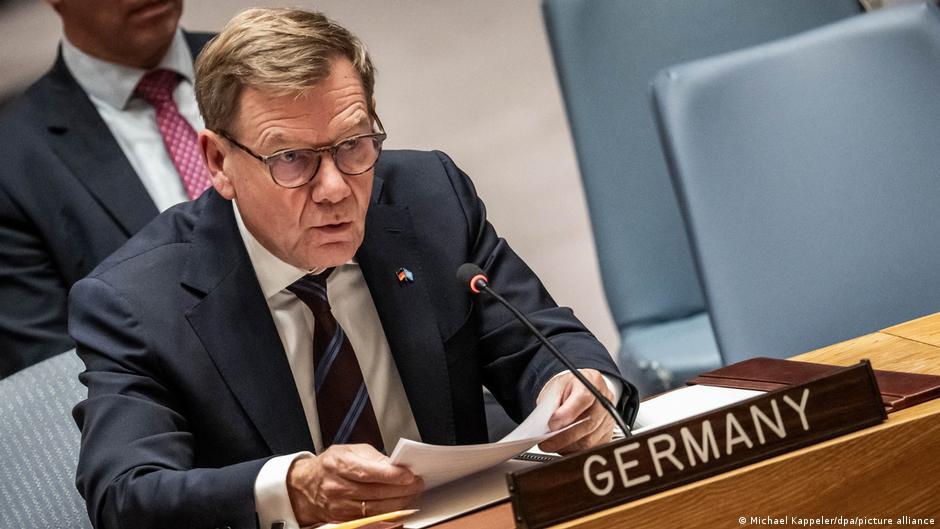
A possible appearance by Russian President Vladimir Putin at the December G20 summit in Miami is emerging as more than a diplomatic protocol question. For Germany and other Western allies of Ukraine, the invitation extended by the United States is being treated as a test of the Kremlin’s willingness to engage seriously on ending the war in Ukraine.
German Foreign Minister Johann Wadephul said on Friday, September 25, during a meeting in Ottawa with Canadian Foreign Minister Anita Anand, that the invitation could become a “litmus test” for Putin. In Wadephul’s view, the signal that would matter most is not the optics of attendance, but whether Russia first moves toward a ceasefire in Ukraine.
The comments place the G20 invitation at the center of a broader strategic dilemma for Western governments: whether high-level engagement with Moscow can create leverage for negotiations, or whether it risks normalizing a leader whom many allied policymakers still want diplomatically isolated. For business and political leaders watching the summit, the question is also one of institutional credibility. The G20 brings together major economies, including countries that have taken very different positions on Russia’s war, and its value depends partly on whether it can remain a venue for difficult conversations without becoming a stage for political rehabilitation.
Diplomacy Versus Isolation
Wadephul emphasized that Germany and other Western countries allied with Ukraine have repeatedly called on Russian authorities, and Putin personally, to come to the negotiating table. He said Russia’s readiness for substantive negotiations would be indicated by a ceasefire in Ukraine.
“Russia must negotiate — the sooner, the better,” Wadephul said.
Asked whether the G20 summit should be boycotted if Putin continues military operations, the German foreign minister stressed that Russian participation remained “very hypothetical.” He urged observers to wait for developments over the coming weeks before drawing conclusions.
Anand also rejected the idea that Putin’s potential participation should automatically trigger a boycott. Her position underscored Canada’s preference, at least at this stage, to preserve diplomatic channels even when the conversation is politically difficult.
“Diplomacy means that we must remain at the negotiating table and have difficult conversations,” Anand said.
For Western management of the Ukraine file, that stance reflects a familiar trade-off. A boycott could send a sharp political signal and reinforce the logic of isolation. Remaining at the table, however, preserves an avenue for pressure, direct messaging and coordination with countries outside the Western alliance system. The strategic question is whether Moscow would treat the summit as an opening for serious negotiations or as an opportunity to project normal diplomatic access.
Washington’s Invitation Creates Political Exposure
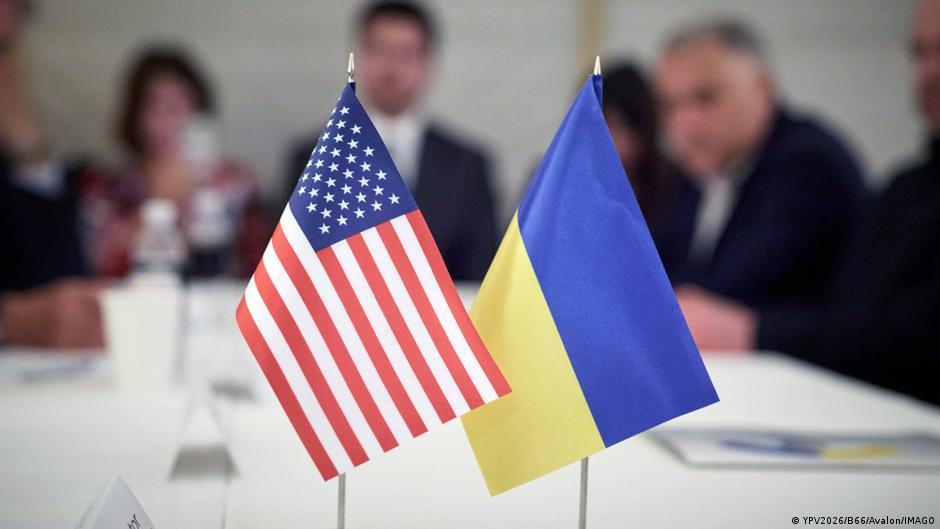
The issue moved to the foreground after U.S. Secretary of State Marco Rubio said that Putin had been invited to the G20 summit, which is due to take place in December in Miami. Rubio said the visit would give the Russian leader an opportunity to hold talks with U.S. President Donald Trump and other heads of state and government. The Kremlin has not yet decided how to respond to the invitation.
For the Trump administration, the invitation carries both diplomatic and domestic political risk. If Putin attends without any prior de-escalation, critics could argue that Washington has given Moscow symbolic benefits without securing meaningful concessions. If the invitation helps produce talks or a ceasefire signal, the administration could present the move as a pragmatic attempt to use the G20 format to create negotiating space.
The business dimension is not secondary. G20 summits are watched closely by markets and multinational companies because they shape expectations around sanctions, trade flows, energy security, geopolitical risk and investment planning. Any indication that Russia could return to broader diplomatic engagement would be scrutinized for its implications for sanctions policy and long-term commercial exposure. At the same time, Western governments have made clear that the war in Ukraine remains the central factor defining relations with Moscow.
U.S. Senators Push Back
According to The Washington Post, a bipartisan group of 14 U.S. senators has urged Trump to withdraw the invitation. Their argument is that allowing Putin to attend a G20 summit in the United States would raise serious concerns about legitimizing and normalizing Russian authorities while attacks on civilian targets in Ukraine continue.
The senators said Putin bears sole responsibility for Russia’s full-scale war of aggression against Ukraine. They also noted that Putin and other members of the Russian delegation are under U.S. sanctions for actions Washington considers a threat to national security. In their view, if Putin is not isolated from the international community, he will have less motivation to end the war in Ukraine.
That argument goes to the heart of the West’s competitive strategy toward Russia. Sanctions and diplomatic isolation have been used not only as punishment, but also as tools intended to change Moscow’s cost-benefit calculation. A high-profile summit appearance could be interpreted by opponents of the invitation as weakening that pressure. Supporters of engagement, by contrast, may see controlled contact as a necessary part of any eventual settlement process.
For now, Western governments appear to be leaving themselves room to maneuver. Wadephul’s formulation sets a clear benchmark: a ceasefire would signal readiness for serious talks. Anand’s comments keep the door open to diplomacy. Rubio’s remarks frame the summit as a possible platform for direct discussions with Trump and other leaders. The senators’ appeal, meanwhile, signals that any White House decision will face scrutiny at home.
The Kremlin’s response remains unresolved, making the situation fluid. But the business and strategic stakes are already visible. The Miami G20 summit could become a venue for testing whether diplomatic access can be converted into pressure for de-escalation, or whether the mere prospect of Putin’s attendance deepens divisions among Ukraine’s allies over how to manage Russia at the highest levels of global governance.