Kyiv Denies Trump Proposed Moscow Talks as Ukraine Weighs Negotiating Venues
The dispute over a reported Moscow proposal highlights the strategic pressure on Ukraine, the White House and the Kremlin as they test formats for talks.
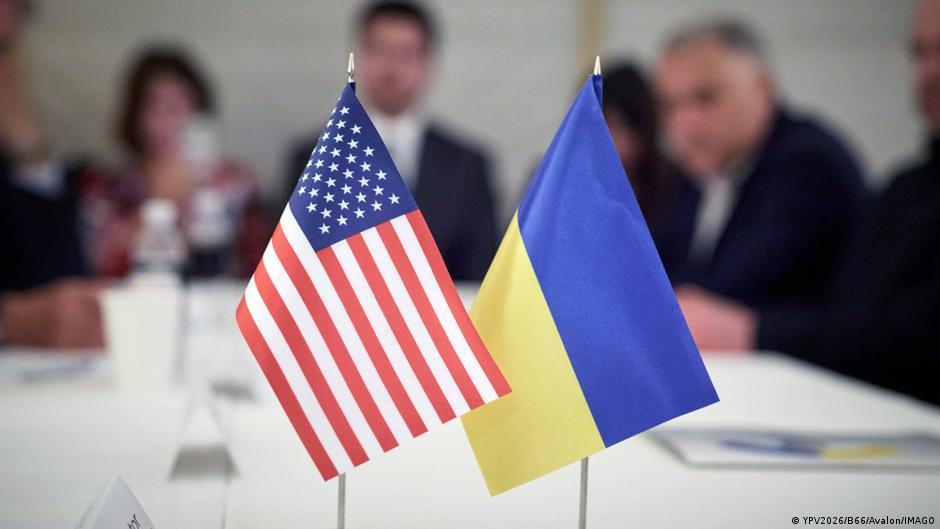
Ukraine’s presidential office has denied a report that U.S. President Donald Trump proposed that Volodymyr Zelensky travel to Moscow for negotiations with Vladimir Putin, an episode that underscores how sensitive the choreography of any future peace process has become for Kyiv, Washington and Moscow.
The denial followed a Bloomberg report, based on unnamed sources, that Trump raised the idea during a meeting with Zelensky on the sidelines of the United Nations General Assembly in New York. According to the report, Zelensky rejected the proposal, and people close to the Ukrainian leader said he was upset by it.
“This is false information,” Dmytro Lytvyn, an adviser to the Ukrainian president on communications, told Ukrainska Pravda in response to the Bloomberg account.
For Ukraine, the location and format of negotiations are not procedural details. They are part of a broader strategic contest over legitimacy, leverage and risk. A meeting in Moscow would carry powerful symbolic implications, potentially allowing the Kremlin to frame any engagement as occurring on Russian terms. Kyiv’s swift denial reflects the political cost of appearing to entertain such a venue while the war remains unresolved.
The exchange also points to the management challenge facing the Trump administration as it seeks to position itself between Kyiv and Moscow. Washington is trying to create channels that could reduce battlefield and economic risks, while avoiding the perception that it is pressuring Ukraine into concessions shaped primarily by Russian preferences.
Negotiating Formats Become a Strategic Asset
This week, Zelensky and Russian Foreign Minister Sergei Lavrov held separate meetings in New York with representatives of the Trump administration. Bloomberg reported that Washington pressed Moscow and Kyiv to agree on halting attacks on energy infrastructure against the backdrop of rising global diesel prices.
That emphasis gives the diplomacy a business and market dimension beyond the military conflict itself. Energy infrastructure attacks affect fuel supply expectations, industrial logistics and inflation pressure. A limited understanding on energy targets could therefore serve as a confidence-building measure while also addressing market concerns that matter to governments, companies and consumers far outside the region.
Yet even a narrow technical arrangement requires a venue and process that all parties can accept. On Sept. 25, Zelensky said trilateral talks involving the United States, Ukraine and Russia in a technical format could take place in the United Arab Emirates. That proposal would place negotiations in a neutral business and diplomatic hub, rather than in either belligerent’s capital.
The Kremlin, however, rejected Kyiv’s recent proposal to hold talks on ending the war during the G20 summit in Miami, where Washington had invited Putin. Moscow’s response is consistent with its repeated insistence that a Putin-Zelensky meeting could happen only in Moscow.
On Sept. 23, Kremlin spokesman Dmitry Peskov said that the Ukrainian president, “if he wants,” could come to Moscow, where he would be provided with the necessary security guarantees. The formulation reinforced Russia’s effort to define both the terms and the optics of any direct encounter.
Corporate-Style Signaling in Wartime Diplomacy
From a strategic-management perspective, the dispute resembles a high-stakes negotiation between organizations that are also competing for narrative control. Each side is signaling to several audiences at once: domestic constituencies, allies, adversaries and markets. The Kremlin’s insistence on Moscow as the only acceptable venue functions as a bargaining position. Ukraine’s promotion of alternatives such as the UAE seeks to preserve flexibility without accepting Russia’s framing.
For Washington, the reported focus on energy infrastructure suggests a pragmatic attempt to isolate a specific area where interests may overlap. A halt to attacks on energy assets would not resolve the war, but it could reduce economic volatility and establish a limited operating mechanism among the parties. In business terms, it would be a narrow agreement designed to manage downside risk while larger strategic disputes remain unresolved.
The question is whether such a limited framework can survive the politics around direct leader-level contact. Any suggestion that Zelensky might travel to Moscow is combustible because it could be interpreted as a concession before substantive talks begin. That is why Kyiv’s denial was not only factual rebuttal but also strategic damage control.
The background includes earlier contacts relayed through business figures. In June, Putin said Zelensky had asked him for a personal meeting through a Russian businessman. Zelensky later said he had passed a message to the Kremlin leader through Roman Abramovich. Those details show that informal channels have existed alongside formal diplomatic tracks, but they also illustrate the reputational risks of opaque intermediaries in a conflict where every communication can be politicized.
For companies and investors watching the region, the immediate takeaway is not that a peace process is near, but that the diplomatic marketplace is becoming more active. Competing venue proposals, technical formats and narrowly scoped energy discussions suggest that the parties and their intermediaries are testing structures that could reduce specific risks without settling the central conflict.
The denial from Kyiv therefore matters beyond the specific Bloomberg report. It reveals how intensely the parties are managing negotiation architecture. In this environment, where the meeting place itself can be treated as a concession, process design has become part of the competitive landscape.