Russian Drone Strikes Hit Ukraine’s Port and Civilian Areas, Killing Three
The overnight attacks on Zaporizhzhia and Odesa regions underscored continuing pressure on civilian infrastructure and transport routes.
Russian attack drones struck Ukraine’s Zaporizhzhia and Odesa regions overnight on September 27, killing at least three civilians and injuring four others, according to preliminary information from regional authorities. The attacks hit residential areas in Zaporizhzhia region and port and civilian infrastructure in the Odesa region city of Kiliya, adding another layer of disruption to communities and assets already operating under wartime pressure.
Acting head of the Zaporizhzhia military administration Mykhailo Semykin said Russian forces targeted the settlement of Kamyshevakha and the village of Novotavriiske. According to his preliminary account, three civilians were killed and four more were wounded. In Novotavriiske, Russian troops attacked a car moving through the village. After the strike, the vehicle caught fire, and a man and a woman died at the scene, Semykin said.
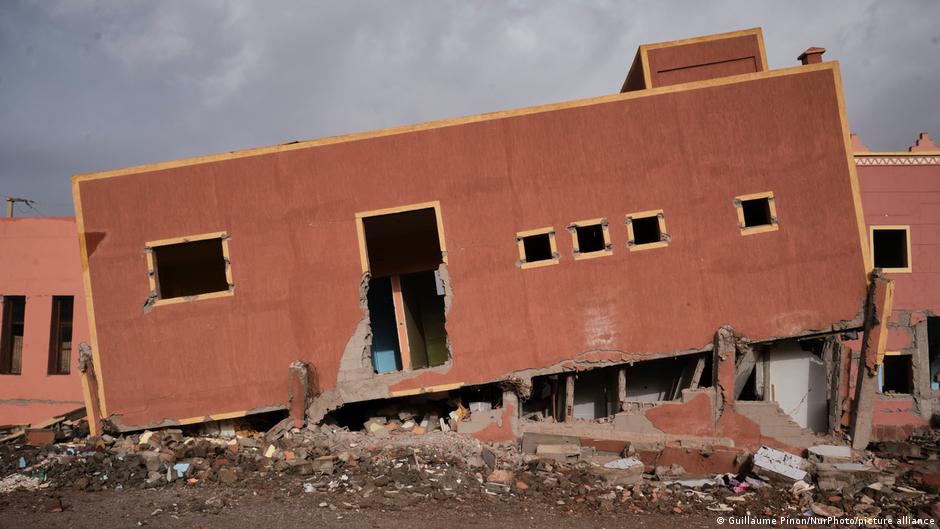
In Kamyshevakha, one house was destroyed and several neighboring homes were damaged, local authorities added. The reported pattern of damage highlights how drone attacks are affecting not only military-facing targets but also small communities, private property and local mobility. For regional administrations, each such incident creates immediate emergency response demands while compounding longer-term reconstruction and service-delivery costs.
According to preliminary data cited by Zaporizhzhia regional authorities, three civilians were killed and four others were injured in the attacks.
Port Infrastructure Remains Under Pressure
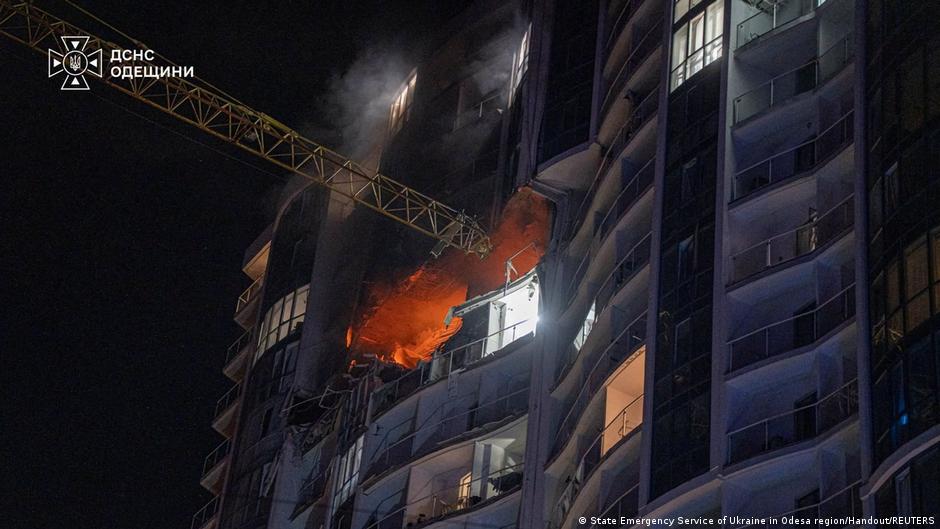
Separately, Russia struck port and civilian infrastructure in Kiliya, a city in Odesa region, the Izmail district administration reported. Preliminary information indicated that no one was injured in that attack. A fire that broke out at the strike site was extinguished by emergency service personnel.
For a business readership, the attack on Kiliya is significant because Odesa region’s ports and related civilian infrastructure remain central to Ukraine’s wartime logistics, trade flows and regional economic resilience. The source information does not specify the scale of damage in Kiliya or identify the exact facilities affected. Still, the reported targeting of port and civilian infrastructure points to the continuing operational risks facing transport nodes, emergency services, local authorities and companies that depend on predictable movement of goods.
The attacks also illustrate a management challenge that has become routine across affected Ukrainian regions: regional and district administrations must coordinate emergency response, public communication, damage assessment and basic continuity of services under conditions of recurring aerial threats. In Zaporizhzhia region, the immediate human cost was severe, with civilians killed and injured. In Odesa region, the absence of reported casualties did not eliminate the operational burden, as emergency crews had to extinguish the fire caused by the strike.
Strategic Impact Beyond the Battlefield
Although the reported strikes were military actions, their consequences extend into the economic and administrative environment. Damage to housing imposes direct costs on households and local authorities. Attacks on vehicles and roads can restrict civilian movement and complicate evacuation, emergency access and local commerce. Strikes on port-related assets, even when casualty-free, can raise uncertainty for businesses involved in shipping, warehousing, repairs, fuel, insurance, labor deployment and municipal services.
The competitive landscape for companies operating in or around affected Ukrainian regions is shaped less by conventional market rivalry than by resilience: the ability to absorb disruption, maintain staff safety, preserve assets and adapt logistics. Management decisions in such an environment often involve contingency planning, rerouting, inventory buffers, remote coordination and rapid communication with public authorities. The latest strikes reinforce why those factors remain core strategic considerations for enterprises connected to southern and southeastern Ukraine.
For public-sector managers, the sequence of events shows the importance of rapid disclosure and preliminary casualty reporting. Semykin’s account provided early information on the Zaporizhzhia casualties and the locations hit, while the Izmail district administration reported the strike on Kiliya and the emergency response. The information available remains preliminary, and the source does not provide a final damage assessment or details on the drones used beyond identifying them as Russian attack unmanned aerial vehicles.
The attacks took place in the early hours of Sunday, September 27. According to the reported accounts, Zaporizhzhia region suffered the deadliest impact, with three civilians killed and four wounded. Odesa region’s Kiliya faced strikes on port and civilian infrastructure, but preliminary information indicated no injuries there, and the resulting fire was put out by emergency services.
For companies, investors and institutions tracking Ukraine’s regional risk environment, the incidents are another reminder that infrastructure exposure remains a central variable. The reported attack on a civilian vehicle, the destruction and damage to homes, and the strike on port and civilian infrastructure all point to a conflict environment in which human security, municipal response capacity and economic continuity are tightly linked.