U.S.-Iran Talks Signal Tactical Opening After Trump’s Threats at U.N.
A three-hour mediated meeting in New York points to a narrow negotiating channel shaped by sanctions, maritime leverage and regional risk.
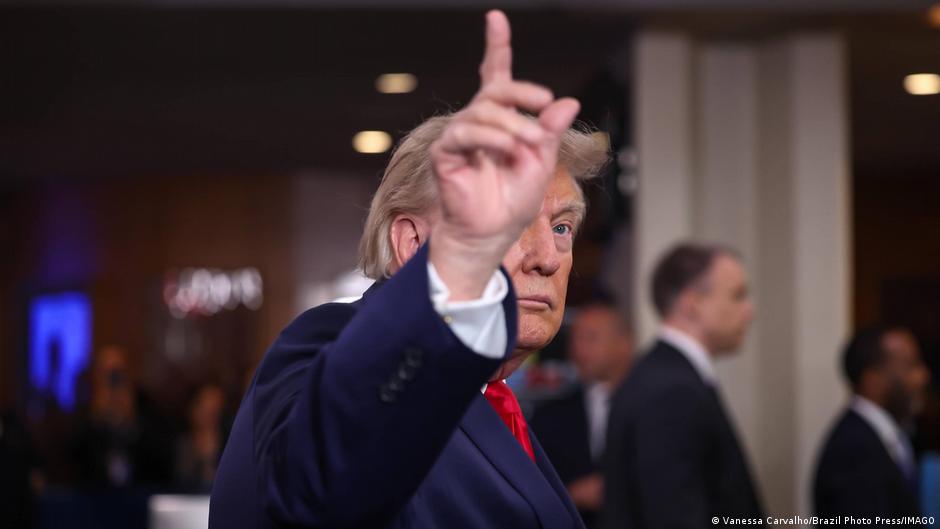
U.S. and Iranian officials held what President Donald Trump described as a “very productive” meeting on the sidelines of the 81st session of the United Nations General Assembly in New York on Tuesday, September 22, marking the first such contact in several months. The talks, conducted through intermediaries, lasted about three hours and took place only hours after Trump publicly threatened Iran with destruction in remarks to world leaders at the U.N.
For businesses and governments tracking Gulf risk, the meeting offers a reminder that high-stakes diplomacy between Washington and Tehran often advances alongside public confrontation. The immediate commercial implications are concentrated around sanctions, frozen assets, shipping security and the Strait of Hormuz, a critical maritime corridor whose status can affect energy prices, insurance costs and broader investor sentiment across the region.
According to Trump, the talks were “very productive.” The U.S. side was represented by Trump’s special envoys Steve Witkoff and Jared Kushner, while Iran was represented by Foreign Minister Abbas Araghchi. The meeting was mediated by Qatar and Pakistan, The New York Times reported.
“A round of discussions was successfully completed, which we hope will prove constructive and promising. The mediators will continue their work,” Witkoff wrote on X.
A Negotiating Channel Built Around Leverage
Witkoff said later that the U.S. and Iranian delegations had held lengthy discussions on the sidelines of the General Assembly, with mediators shuttling between the parties throughout the day. His account suggested that the format remained indirect, but active enough to keep negotiations alive after months without direct engagement.
From a corporate strategy perspective, the central question is whether the talks represent the beginning of a structured process or a tactical exchange of pressure points. Trump told leaders from Gulf countries on the sidelines of the General Assembly that there was “great momentum” toward reaching an agreement with Iran, AFP reported. Yet the president’s earlier remarks at the U.N. underscored the volatility surrounding any diplomatic opening.
Before the negotiations, Trump told heads of state and government that he faced a major choice: whether to reach a deal with Iran that would allow it to recover and become a much more powerful state, or to destroy the Islamic Republic quickly so that it would never again have the chance to kill people and destroy countries. AFP reported that the Iranian delegation left the hall during Trump’s speech.
That juxtaposition matters for executives and investors because it reflects two competing signals from Washington: escalation as negotiating pressure, and back-channel diplomacy as risk management. Companies exposed to energy markets, shipping, insurance, infrastructure and Gulf investment flows are likely to read both signals together rather than treat the talks as a clean de-escalation.
Hormuz, Sanctions and the Business Stakes
Iranian state media reported that Tehran used the discussions to inform Washington of its conditions for restoring shipping through the Strait of Hormuz. Those conditions reportedly included an immediate end to the U.S. maritime blockade, the unfreezing of all Iranian assets frozen because of sanctions, and the cessation of any military actions.
Those demands put the commercial architecture of the dispute at the center of the talks. Frozen assets and sanctions are not only diplomatic instruments; they shape access to capital, banking channels, trade finance and the ability of international companies to assess compliance risk. Any movement on those fronts would have consequences for firms operating in or around the Gulf, as well as for counterparties exposed to secondary sanctions risk.
The Strait of Hormuz is also a strategic business variable. Even without new numerical claims, the source material makes clear that shipping through the waterway is part of Tehran’s negotiating position. For global markets, uncertainty around the strait can influence freight rates, risk premiums and contingency planning for energy supply chains. A negotiated restoration of shipping would therefore be assessed not only as a diplomatic gain, but as a potential stabilizer for regional commerce.
At the same time, the management challenge for all parties remains acute. The U.S. administration is attempting to combine coercive messaging with mediated engagement, while Iran is framing maritime access, sanctions relief and military restraint as linked conditions. Qatar and Pakistan, acting as intermediaries, are effectively managing a process in which neither side appears ready to absorb the political cost of a straightforward direct negotiation.
For Gulf governments, the talks may offer a potential path to lowering regional risk, but not yet a reliable settlement. Trump’s statement about momentum toward a deal will be weighed against the severity of his U.N. remarks and Iran’s decision to leave the hall during the speech. The result is a diplomatic environment that may be active, but remains fragile.
The meeting’s immediate outcome was therefore procedural rather than conclusive: a round of talks was completed, mediators will continue their work, and both sides have placed core conditions and threats on the table. For business leaders, the practical takeaway is that U.S.-Iran engagement has resumed, but under conditions of extreme political leverage. The competitive landscape across energy, logistics and regional investment will depend less on the existence of talks than on whether this channel can produce enforceable commitments on sanctions, shipping and military restraint.