Trump-Putin Call Over Irkutsk Health Reports Raises Business Risk Questions
Reports of a possible plague-linked death in Russia have drawn WHO scrutiny and a planned call between Trump and Putin.
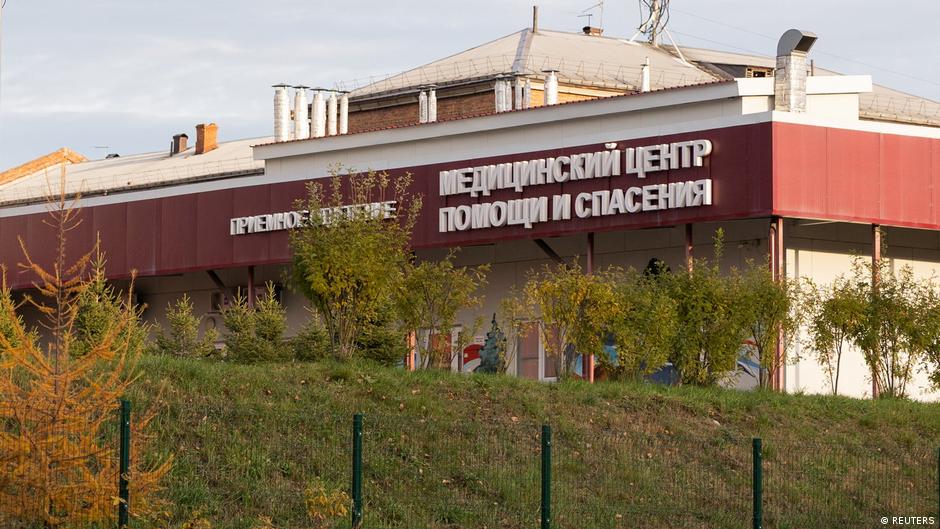
U.S. President Donald Trump is preparing to speak by telephone with Russian President Vladimir Putin after reports of a possible death from plague at a specialist institute in Irkutsk, a development that has quickly moved from a public health question into a matter with diplomatic, operational and corporate-risk implications.
The case centers on the death of 28-year-old Darya Shipilova, a laboratory assistant at the Irkutsk Anti-Plague Institute, who died during the night of October 2 at the Shelekhov District Hospital in Russia's Irkutsk region. Russian officials have not confirmed plague as the cause of death. Rospotrebnadzor, the country's consumer health and safety regulator, said Shipilova had been diagnosed with pneumonia of undetermined origin. Irkutsk Governor Igor Kobzev said there was suspicion of a “particularly dangerous infection,” without naming a presumed diagnosis.
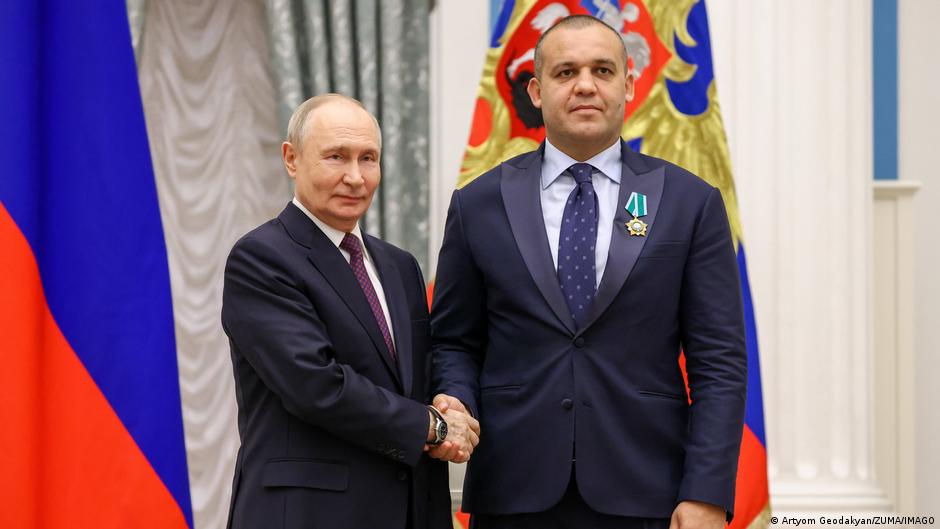
The uncertainty has nevertheless prompted a response at the highest political level. Trump said on Tuesday, October 6, in response to a journalist's question about whether he had discussed the Irkutsk incident with Putin, that the two leaders had a conversation scheduled in the near future.
For companies operating in or trading with Russia, the episode highlights the familiar challenge of managing risk when official information is partial, evolving or contested. The lack of a confirmed diagnosis, the involvement of public health authorities, and reports of quarantine measures in Irkutsk create a situation in which executives must weigh operational continuity against employee safety, regulatory compliance and reputational exposure.
WHO Seeks More Information as Russia Denies Plague Cases
The World Health Organization is in contact with Russian health authorities and has offered technical support, WHO Director-General Tedros Adhanom Ghebreyesus wrote on X late on October 6 and into October 7. According to Tedros, Russian health authorities told the WHO in response to its request that no cases of plague had recently been registered in the Irkutsk region.
He said Russian authorities had informed the WHO that an epidemiological investigation had been conducted, preventive and control measures had been taken, and identified contacts had been placed under medical observation and tested. According to that account, no high-threat pathogens were detected among contacts, and medical monitoring of all identified contacts had been completed.
“The WHO requested additional information to clarify the cause of the severe pneumonia, the pathogen that prompted public health measures, and media reports about a second employee with pneumonia of unknown origin.”
That request is significant for corporate leaders because the WHO's position can influence how multinational companies interpret local risk. Even when a country reports that no specific outbreak has occurred, a request for more information from the WHO can become a signal for internal risk committees, travel departments, insurers and supply-chain managers to review contingency plans.
Trump had already addressed the reports on October 5, saying the United States was “watching very closely” what was happening in Russia. He said U.S. officials had just heard about the matter and that Russian authorities were calling it pneumonia. Trump added that pneumonia used to be easier to treat, but that germs and bacteria had become disproportionately stronger. He also said the United States would help Russia.
The statement framed the episode as both a health concern and a potential area for U.S.-Russia cooperation. From a business perspective, that matters because high-level political engagement can either calm markets and companies by suggesting coordination, or intensify scrutiny by signaling that the issue is serious enough to warrant leader-level attention.
Local Restrictions Add Operational Pressure
The business impact is most visible at the local level. The outlet Lyudi Baikala reported on October 4 that Irkutsk city clinical hospitals No. 1, 3 and 10 had been closed for quarantine, as well as a maternity hospital and the Ivano-Matreninskaya Children's Clinical Hospital. Such measures, if maintained or expanded, can affect workforce availability, emergency care access, logistics and confidence among employees and suppliers.
The industrial sector has also been drawn into the response. At the Irkutsk Aluminum Plant, known as IrkAZ, in Shelekhov, a mask regime is being introduced, according to the plant's director, Artyom Fominykh, who announced the measure a day earlier. The decision suggests that companies in the region are already moving to implement workplace protections even without a publicly confirmed plague diagnosis.
For management teams, the strategic issue is less whether the initial media reports are ultimately confirmed and more how quickly the situation can be clarified. Businesses depend on credible information flows to make decisions about staffing, production, travel, customer commitments and insurance. When health risks involve potentially dangerous pathogens, even ambiguity can force precautionary action.
The case also illustrates a competitive and governance challenge for companies with exposure to Russia. Domestic firms may be able to respond more quickly to informal local guidance, while international firms are likely to face stricter internal protocols and greater pressure from headquarters, lenders, insurers and regulators. That can create uneven operating conditions if restrictions remain localized but uncertainty persists.
Russian officials have emphasized pneumonia of undetermined origin and have not confirmed plague. The head of neighboring Buryatia, Alexei Tsydenov, initially wrote on Max that plague was the cause of Shipilova's death, but later edited the post to add the word “possibly.” That revision underscores the importance of careful communication in a high-risk environment, where an official post can shape public perception, media coverage and corporate decision-making before medical conclusions are settled.
The planned Trump-Putin call may therefore become important not only diplomatically but also commercially. Investors, exporters, employers and logistics operators will be watching for signs of whether the matter remains a localized medical investigation or becomes a broader public health issue with consequences for movement, production and cross-border coordination.
Until Russian authorities provide further clarity and the WHO receives the additional information it has requested, companies with operations in the Irkutsk region face a familiar management dilemma: act early on incomplete information, or wait for confirmation and risk being behind the curve if restrictions widen.