U.S. Threat to Block Ukraine Arms Program Tests Kyiv’s War Strategy
The reported pressure campaign over refinery strikes highlights how Washington’s leverage over weapons supply is reshaping Ukraine’s strategic options.
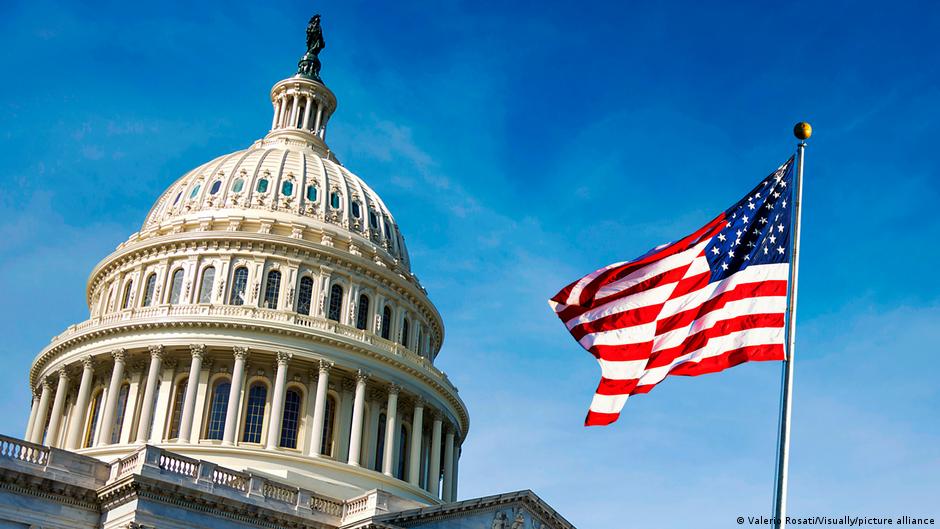
The Trump administration is threatening to block the PURL weapons supply program for Ukraine in an effort to pressure Kyiv into halting strikes on oil refineries inside Russia, according to the Financial Times. The reported move places one of Ukraine’s key wartime procurement channels at the center of a broader strategic dispute over energy infrastructure, escalation management and the balance of influence between Washington, Kyiv and European capitals.
PURL, described in the Russian-language source as the “Priority List of Ukraine’s Requirements,” has become a focal point because it links battlefield needs with the political decisions of Ukraine’s main partners. By threatening to block the program, U.S. officials would be using supply-chain leverage rather than public diplomacy alone to influence Ukrainian military behavior. For Kyiv, that raises a business-like strategic dilemma: how to preserve access to critical military inputs while maintaining operational pressure on Russia’s energy sector.
According to the report, officials from the Trump administration have been calling Kyiv and European officials with warnings about the program. One official who said he received such a call from a representative of the U.S. Defense Department described the outreach as broad and direct.
“They are calling Kyiv… they are calling everyone,” the official said, referring to contacts in Europe.
Among those contacted, according to the same account cited by the Financial Times, was Pavlo Palisa, a military adviser to Ukrainian President Volodymyr Zelensky and a former commander of Ukraine’s 93rd Separate Mechanized Brigade. The White House declined to confirm or comment on the information.
Weapons Supply Becomes Strategic Leverage
For Ukraine, the reported U.S. threat exposes the vulnerability of a war strategy that depends heavily on external support. The issue is not only the volume of weapons supplied, but the governance of the supply mechanism itself. If Washington can slow, block or condition a program such as PURL, it can influence Kyiv’s choice of targets and tempo of operations without formally rewriting Ukraine policy in public.
The dispute also speaks to the management challenge facing Ukraine’s leadership. Zelensky has repeatedly called for a mutual ceasefire covering energy infrastructure, according to the source. But Ukraine’s strikes on Russian oil refineries have also been part of a broader effort to impose costs on Moscow. The reported U.S. position suggests Washington is prioritizing containment of energy-related escalation, while Kyiv is weighing the military and economic value of continued pressure on Russia’s refining capacity.
For European governments, the calls described by the Financial Times place them in the middle of a strategic supply-chain negotiation. If U.S. officials are contacting European counterparts about PURL, the program is not merely a bilateral U.S.-Ukraine matter. It is part of a wider transatlantic architecture in which funding, procurement, political risk and battlefield urgency intersect. That makes the question of who controls the terms of weapons delivery increasingly important.
An Energy Truce With Unclear Terms
The reported pressure campaign came as President Donald Trump said on October 11 that Russia and Ukraine had agreed to an energy truce. In a post on Truth Social, he wrote that, from that moment, an energy ceasefire would be introduced in the war between Russia and Ukraine and that both sides had agreed to it. He also warned them not to violate it.
Zelensky’s response underlined the uncertainty surrounding the announcement. He initially told a journalist from Axios that he knew nothing about a partial truce that had been reached, while adding that he would support it if Russia agreed. Later, he said Ukrainian authorities were “waiting for details from the American side.”
Zelensky subsequently added that Ukraine’s Armed Forces had received all orders, that Ukraine supported all steps by partners that could help, and that Kyiv was awaiting clear details of America’s dialogue with Russia and confirmation that Russian President Vladimir Putin would fulfill what Trump said he had committed to.
At the same time, a senior Ukrainian official close to Zelensky told the Financial Times that nobody had heard of the truce. That statement adds another layer of uncertainty for Ukraine’s command structure and for its partners. If a truce exists politically but lacks operational clarity, the risk of misalignment rises: military units need specific orders, governments need verifiable terms, and partner countries need to understand whether compliance is reciprocal.
Competitive Pressures Around the War Economy
The episode highlights a widening competitive landscape around the war economy. Russia’s refineries are industrial assets as well as elements of its energy revenue system. Ukraine’s ability to strike them affects Russia’s operating costs and potentially its domestic logistics. But attacks on energy infrastructure also create political exposure for Ukraine’s partners, especially if they are seen as contributing to volatility in energy markets or complicating diplomatic initiatives.
From a corporate strategy perspective, the reported U.S. approach resembles a supplier using contract access to influence a customer’s operating decisions. Ukraine’s military strategy depends on inputs it does not fully control. The United States, as a decisive supplier and coordinator, can convert that dependency into negotiating power. Europe, meanwhile, must manage its own role as both a supporter of Kyiv and a stakeholder in the broader geopolitical and energy consequences of the war.
The White House did not respond to journalists’ question on whether Trump would listen to Zelensky’s proposal to force Putin to agree to a full 60-day ceasefire so Ukraine could hold elections, according to the publication. That unanswered question is important because it points to a larger unresolved issue: whether Washington’s pressure is aimed narrowly at energy strikes or is part of a broader attempt to reshape the terms of the war.
For Kyiv, the immediate management problem is to preserve partner confidence while avoiding constraints that weaken its bargaining position against Moscow. For Washington, the challenge is to enforce any energy arrangement without appearing to compromise Ukraine’s defense capacity. For European governments, the question is whether they can maintain unity if U.S. pressure on weapons supply becomes a recurring tool of policy.
The reported threat to block PURL therefore goes beyond a single weapons program. It signals that Ukraine’s military supply chain is increasingly becoming a venue for strategic negotiation, where battlefield choices, energy policy and alliance management are being decided together.