Russian Election Chief Advocates Revoking Voting Rights of Emigrated Citizens Labeled as Foreign Agents
Ella Pamfilova calls for depriving emigrated Russians of voting rights, highlighting challenges in managing elections amid geopolitical tensions.
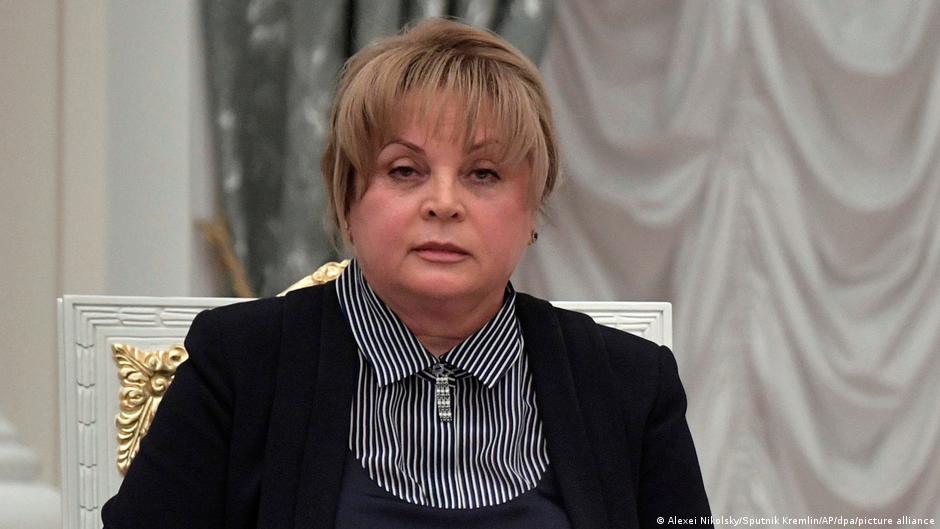
Ella Pamfilova, Chairwoman of Russia's Central Election Commission (CEC), has publicly supported the idea of revoking voting rights for Russian citizens who have emigrated, particularly those labeled as "foreign agents." Her remarks emphasize the evolving challenges faced by Russian authorities in managing electoral processes amid a contentious international environment.
Policy Stance on Emigrants and Foreign Agents
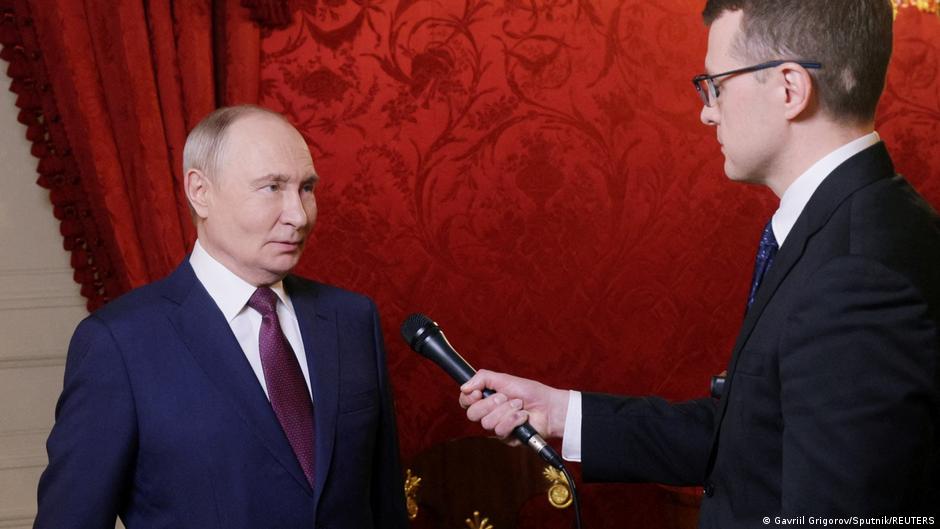
In a recent interview, Pamfilova stated, "I believe that those who have left the country and betrayed it should be stripped of their voting rights." This firm position underscores a broader debate about the participation of emigrated Russians in national elections, especially those residing in countries Russia has designated as "unfriendly."
She indicated that future decisions regarding the voting privileges of so-called "foreign agents"—a classification applied to individuals and entities suspected of foreign influence—are ultimately to be determined by the new session of the State Duma, Russia's lower legislative chamber. Until then, the current legal framework remains in place.
Since 2012, Russia's registry of "foreign agents" has expanded from non-profit organizations receiving foreign funds to include media outlets (since 2017) and individuals (since 2020). The designation brings increased governmental scrutiny, mandatory reporting, financial penalties, and operational restrictions, complicating the ability of affected parties to function effectively.
"I believe law enforcement authorities have sufficient capabilities to comprehensively identify those who should be deprived of deciding Russia's future, including through voting," said Pamfilova, highlighting the state’s intent to tightly regulate electoral participation.
Operational and Diplomatic Challenges
Pamfilova also addressed logistical difficulties in organizing voting for Russians abroad, especially in countries designated as "unfriendly" by the Russian government. The CEC has recommended that Russian embassies in these nations consult with local authorities to ensure election security and minimize risks. Collaboration with the Ministry of Foreign Affairs and diplomatic staff aims to facilitate elections while safeguarding against potential disruptions.
She cautioned that emigrated Russians categorized as "foreign agents" tend to become politically active, presenting challenges for election oversight and national security considerations. Measures to mitigate risks include stringent controls and legal enforcement.
Implications for Corporate and Political Strategy
From a business and governance perspective, the evolving electoral regulations reflect a strategic tightening of political control by Russian authorities. The expansion of the "foreign agent" label and the proposed disenfranchisement of emigrants serve to consolidate the domestic voter base and limit external influences on Russia’s political landscape.
For corporations, NGOs, and media entities operating in or connected to Russia, these developments signal an increasingly restrictive environment, where compliance with new regulations is critical. Legal and reputational risks may rise, affecting investment decisions and international partnerships.