German and Austrian Raids Signal Wider Crackdown on Russia Auto Trade
Investigators allege two businesspeople used third-country routes to ship cars and trucks to Russia despite EU sanctions.
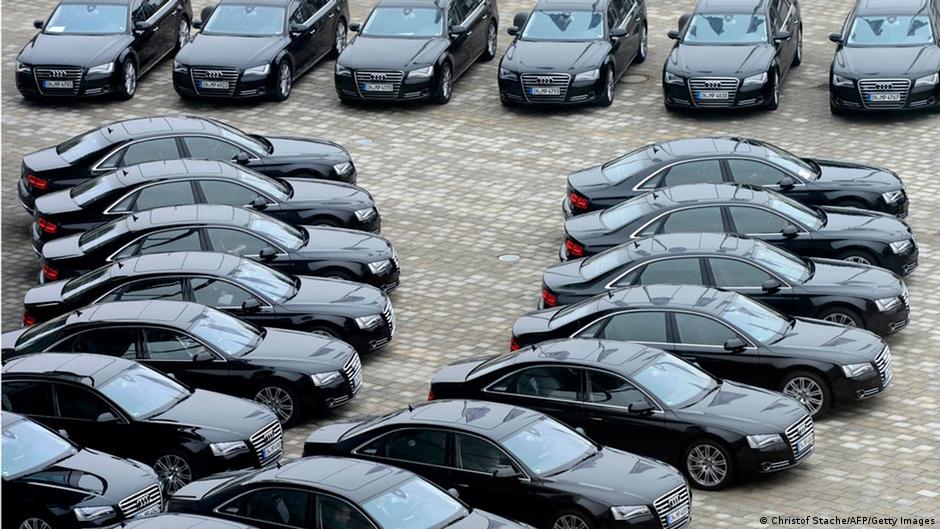
German and Austrian authorities have opened a new front in the enforcement battle over automotive exports to Russia, searching properties linked to two businesspeople suspected of moving vehicles through third countries in violation of European Union sanctions.
The case, disclosed by prosecutors in Kaiserslautern on Tuesday, September 29, centers on allegations that the suspects exported 53 passenger cars and six semi-trailer tractors to Russia between autumn 2022 and the end of 2024. Investigators believe the shipments were structured to avoid EU restrictions by using intermediary destinations, including Belarus, Kyrgyzstan and Georgia.
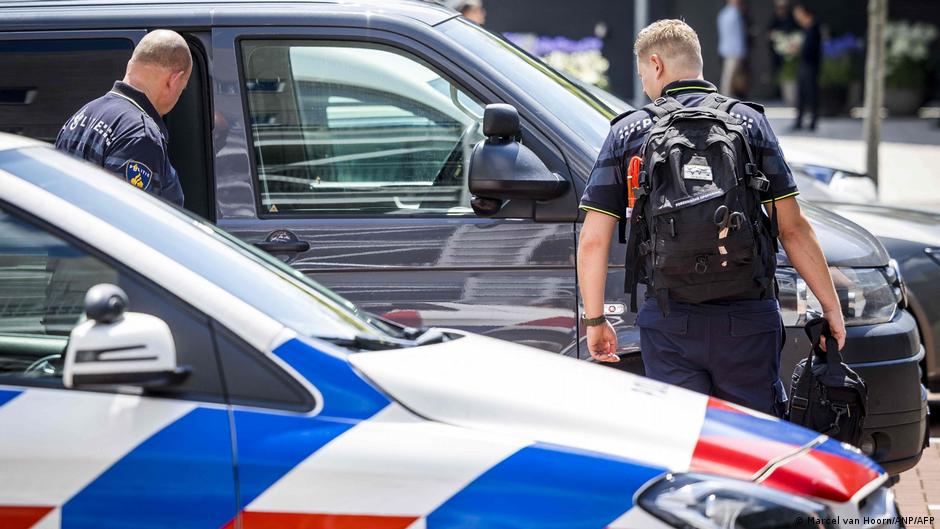
The raids took place on September 8 at residential and commercial premises in Neustadt an der Weinstrasse, in the German state of Rhineland-Palatinate, and in Vienna. Law enforcement bodies from Germany, Austria and Belgium took part in the operation, underscoring the cross-border nature of the alleged scheme and the growing role of coordinated enforcement in sanctions cases.
At the request of prosecutors, the Kaiserslautern district court authorized the seizure of assets worth about 7 million euros, described as the suspected proceeds of the illegal exports. During searches in Germany, authorities seized two vehicles, a Porsche and a Mercedes-Benz. In Austria, they seized 85,000 euros in cash. A further 278,000 euros was frozen in bank accounts in Germany, Austria and Belgium.
Both suspects have so far exercised their right to remain silent, according to prosecutors, and the investigation is ongoing.
Sanctions Risk Moves From Compliance Desk to Boardroom
For automotive businesses, the case illustrates how sanctions enforcement has become a strategic risk rather than a narrow compliance issue. The alleged exports were not limited to a single shipment or one opportunistic transaction. Prosecutors say they extended over more than two years, a time frame that, if proven, would point to repeated routing decisions, customer screening questions, documentation choices and financial flows that could expose management to significant legal and commercial consequences.
The business logic behind such schemes is not hard to understand. EU sanctions restricted direct sales of certain vehicles to Russia, but demand inside Russia did not disappear. High-value cars and commercial vehicles remained attractive goods, creating incentives for traders to use re-export hubs and fragmented supply chains. The alleged use of Belarus, Kyrgyzstan and Georgia fits a broader pattern in which third countries become pressure points in the enforcement of sanctions originally designed around direct trade.
From a corporate strategy perspective, the seizures are also notable. Freezing assets equal to the alleged revenue from unlawful exports changes the economics of sanctions evasion. It signals that prosecutors are not only pursuing criminal liability but also trying to remove the financial upside. For dealers and intermediaries, that raises the cost of operating in gray channels and increases the risk that inventory, cash and bank balances can become enforcement targets.
A Competitive Landscape Shaped by Enforcement
The case comes against a backdrop of earlier German prosecutions involving luxury vehicle exports to Russia. In March, a court in Wurzburg sentenced a Bavarian car dealer to six years in prison for supplying 111 luxury vehicles to Russia in violation of sanctions. According to investigators in that case, the vehicles reached employees of the FSB, the FSO, Rosneft and the Russian presidential administration.
In July 2025, an employee of a car dealership in Hesse received a five-year prison sentence for selling 71 luxury cars to Russia, also allegedly through sanctions-busting channels. Those sentences, combined with the new searches in Germany and Austria, point to a tougher enforcement climate for an industry in which cross-border resale activity can be difficult to monitor.
German prosecutors have been pursuing a wider set of cases. In May 2025, it was reported that prosecutors in Germany were investigating more than 40 matters connected with the supply of expensive cars to Russia. Media described the effort as a hunt by German justice authorities for dishonest car dealers, while experts cautioned that only a small share of shadow deliveries was being stopped.
That gap between enforcement and market reality is critical for legitimate businesses. Companies that invest in compliance face competitors willing to exploit indirect routes and opaque customer chains. If only a fraction of illicit trade is intercepted, compliant dealers may be disadvantaged in the short term. But as asset freezes and prison sentences accumulate, the competitive calculus changes: the risk premium attached to Russian-facing transactions rises sharply.
China Route Highlights the Limits of Direct Controls
The automotive sanctions problem is not confined to European re-export routes. In February, Reuters reported that tens of thousands of vehicles, including German luxury cars, were being exported to Russia through China in circumvention of sanctions. Some of those cars are produced in China by foreign companies, while others are imported into China from abroad.
According to that reporting, new vehicles are registered as used cars, allowing sellers to avoid obtaining manufacturers' approval for sales to Russia. That practice highlights a structural weakness for global automakers: control over first sale, dealer networks and official export channels does not necessarily prevent resale through markets where vehicles can be relabeled, transferred and redirected.
For manufacturers, dealers and logistics providers, the implication is that sanctions compliance must extend beyond formal contractual restrictions. It increasingly requires scrutiny of end users, financing patterns, repeated buyers, transport routes and destinations that have become known re-export corridors. Management teams also face reputational risk if their brands appear in sanctions cases, even when the manufacturer itself is not accused of wrongdoing.
The latest raids in Germany and Austria therefore fit a larger business story: enforcement agencies are trying to close the space between legal export controls and commercial workarounds. Whether they can do so at scale remains uncertain. But the use of coordinated raids, asset seizures and banking freezes shows that authorities are moving beyond warnings and toward direct intervention in the commercial infrastructure supporting Russia-bound vehicle trade.
For the auto sector, the lesson is increasingly clear. Russia-related demand may still create revenue opportunities through indirect channels, but the enforcement environment is becoming more coordinated, more financially punitive and more visible. In a market where one transaction can trigger investigations across several EU jurisdictions, sanctions compliance is no longer a back-office safeguard. It is a core management decision.