Swiss Voters Reject Neutrality Curbs That Would Have Limited Sanctions Policy
The referendum result preserves Bern’s room to align with EU sanctions and signals broad support for a flexible approach to neutrality.
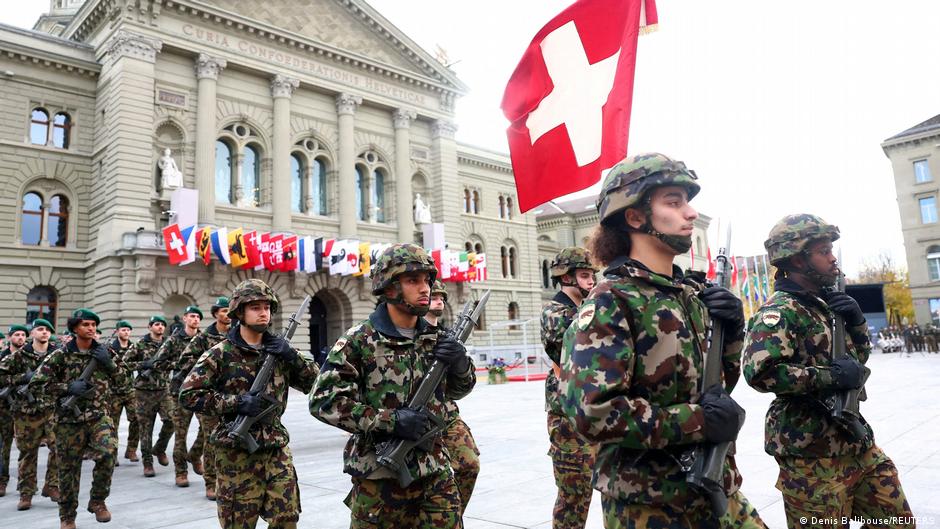
Swiss voters have rejected a proposal that would have imposed a stricter interpretation of the country’s political neutrality, preserving the government’s ability to join sanctions regimes against states involved in wars. The decision is significant not only for Swiss foreign policy, but also for businesses and investors that rely on clarity around Switzerland’s regulatory alignment, sanctions compliance and international market positioning.
According to official results published on the Swiss government’s website on Sunday, September 27, 70.15 percent of voters opposed the initiative. The proposal, titled “Preserving Swiss Neutrality,” was advanced by Pro Schweiz, an association close to the right-conservative Swiss People’s Party. Its supporters argued that the government had weakened the principle of non-intervention by joining European Union sanctions against Russia over the war in Ukraine.
The initiative sought to anchor the principle of “permanent and armed” neutrality in the constitution. It also aimed to prohibit Switzerland from joining military alliances, such as NATO, or cooperating with them, except in cases where Switzerland itself came under attack. Most consequentially for corporate decision-making, the proposal would have sharply restricted economic sanctions: the government would have been permitted to impose them only after approval by the United Nations Security Council.
Strategic Flexibility Remains Central to Bern’s Position
For Swiss companies, banks, commodity traders, insurers and multinational headquarters, the vote keeps intact the policy flexibility that has defined Bern’s response to geopolitical shocks. Switzerland is not a member of the European Union, but its economy is deeply integrated with European markets. Alignment with EU sanctions against Russia has therefore had practical implications for compliance systems, financial flows, trade relationships and the reputational risk calculations of Swiss-based firms.
A constitutional restriction tying sanctions policy to UN Security Council approval would have changed the operating environment. Because the Security Council is often constrained by veto power, including in conflicts involving permanent members or their allies, the measure could have made it far harder for Switzerland to respond alongside its major economic partners. That would have created a divergence between Swiss rules and those of the EU, potentially complicating cross-border business and exposing companies to competing expectations from regulators, clients and counterparties.
The scale of the rejection suggests that voters were unwilling to trade diplomatic and economic flexibility for a more rigid definition of neutrality. For executives and compliance officers, the result reduces the likelihood of an abrupt shift in Swiss sanctions architecture. It also reinforces the view that neutrality, as practiced by Bern, does not necessarily mean regulatory distance from Europe when international law and security issues are at stake.
Swiss Foreign Minister Ignazio Cassis argued during televised debates that neutrality has always been applied with a degree of “flexibility.”
Cassis also said neutrality should not be equated with “indifference.” In his view, Switzerland should not close its eyes to violations of international law in order to protect its own interests or preserve peace. That framing was central to the campaign against the initiative and reflects the government’s broader effort to reconcile Switzerland’s historic identity with the realities of a fragmented geopolitical environment.
Political Coalition Defeats a Right-Conservative Push
The proposal was opposed by all major political forces in Switzerland except the Swiss People’s Party. That broad alignment matters for the business community because it indicates that the current policy approach has support beyond a narrow governing faction. In strategic terms, companies can read the outcome as a signal that the Swiss political center continues to value the country’s ability to respond pragmatically to international crises.
Pro Schweiz and its allies framed the initiative as a defense of constitutional neutrality. Their argument was that Switzerland’s participation in EU sanctions against Russia marked a departure from non-intervention. Opponents countered that the country’s neutrality has historically allowed room for judgment, particularly when international law is violated. The referendum result shows that a large majority of voters accepted the latter position.
From a competitive standpoint, Switzerland’s appeal as a business hub rests partly on stability, legal predictability and access to international networks. A stricter sanctions regime could have altered perceptions among global partners, especially in sectors where reputational due diligence and sanctions screening are central to market access. By rejecting the measure, voters preserved a model in which Switzerland can remain militarily neutral while still participating in economic measures coordinated with key partners.
The vote also comes at a time when corporations are increasingly required to account for geopolitical exposure in board-level strategy. Sanctions are no longer a peripheral legal matter; they shape supply chains, financing decisions, mergers and acquisitions, and market entry strategies. For Swiss-based companies considering transactions involving sensitive jurisdictions, the result means the existing compliance landscape remains more aligned with European practice than it would have under the proposed constitutional changes.
Food Security Proposal Also Fails
In a separate vote, more than 70 percent of Swiss voters also rejected an initiative on food security. Its supporters proposed raising the share of food produced domestically to at least 70 percent of consumption, increasing the production of plant-based products, reducing the use of crop protection products and fertilizers, and strengthening protections for drinking water, soil fertility and biodiversity.
Although distinct from the neutrality debate, the food security vote also has business implications. The proposal would have pushed Switzerland toward a more interventionist agricultural and environmental framework, with potential effects on producers, retailers, importers and supply chain planning. Its defeat indicates that voters were not prepared to mandate such a large shift in domestic food production and agricultural regulation through the proposed initiative.
Taken together, the referendum outcomes point to a Swiss electorate favoring continuity over structural policy constraints. On neutrality, the message is especially clear: voters rejected a model that would have limited the government’s ability to use sanctions as a foreign-policy instrument. For business leaders, the decision preserves a familiar strategic environment in which Switzerland balances neutrality with selective alignment, particularly when the country’s economic and diplomatic interests intersect with European security policy.