Qatar Denies Detaining Iranian Pilots Amidst Regional Tensions and Diplomatic Efforts
Qatar refutes claims of holding Iranian pilots, emphasizing adherence to international law and ongoing diplomatic initiatives in the Middle East conflict.
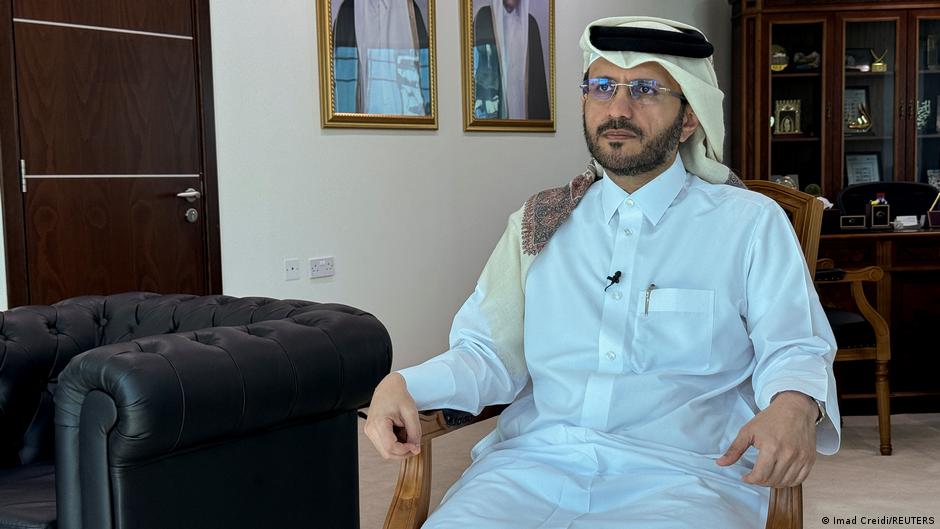
Qatar has publicly rejected allegations that it is detaining three Iranian pilots following an airspace violation during the ongoing Middle Eastern conflict. The Qatari Ministry of Foreign Affairs emphasized the country’s commitment to international law and transparency amidst heightened regional tensions.
Official Statement and Context
On August 15, Majid bin Mohammed Al-Ansari, a spokesperson for Qatar's Ministry of Foreign Affairs, addressed the claims on social media platform X. He expressed surprise at the misleading nature of the statements, especially at a time when diplomatic efforts aimed at de-escalating tensions in the region are underway.
"We are surprised by these misleading statements at a time when ongoing diplomatic initiatives focus on reducing regional tensions," Al-Ansari said.
Qatari authorities confirmed that contact was established with the pilots after they violated Qatari airspace, and the trajectory of their flight was verified. Qatar asserts that it took necessary defensive measures in line with international law and communicated details of the incident to relevant parties through official diplomatic channels.
Additionally, Qatari search and rescue teams conducted operations to recover the remains of the pilots. Al-Ansari noted that Qatar has been in communication with Iranian authorities to coordinate the transfer of one pilot’s remains.
Earlier this year, in April, Qatar invited an Iranian delegation to visit and review the search and rescue operations in detail. According to the Qatari statement, Iran has yet to respond to this invitation.
Discrepancies in Iranian and Qatari Narratives
Contrasting sharply with Qatar’s statements, Iranian officials have accused Qatar of detaining the three pilots. Tehran claims the pilots were captured alive after their Su-24 fighter jets crashed early in the conflict. Mohammad Bagerzadeh, head of the search committee for missing personnel at Iran’s General Staff, asserted that the pilots—Javad Salehi, Abdolmajid Dashtiyan, and Omran Behroozian—have been held by Qatari forces for six months. He appealed to the International Committee of the Red Cross for their release, highlighting that the pilots have been denied contact with their families.
This narrative differs significantly from earlier Iranian reports that one pilot was killed and two were missing in action, with no previous mention of captivity.
Qatar’s Ministry of Defense reported in March that its air force successfully shot down two Su-24 bombers approaching from Iranian airspace. The ministry also stated that Qatari forces intercepted seven ballistic missiles and five drones targeting Qatari territory. It remains unclear if these are the same aircraft referenced by Iran regarding the captured pilots.
Broader Geopolitical and Security Implications
The tensions occur against a backdrop of fragile ceasefire agreements and ongoing hostilities in the region. In mid-June, the United States and Iran signed a framework agreement aimed at halting hostilities and lifting the blockade of the Strait of Hormuz. However, a drone attack on a civilian tanker in late June, attributed to Iran, prompted retaliatory strikes by the United States.
President Donald Trump announced in late July a suspension of airstrikes against Iran, citing progress in diplomatic negotiations.
Qatar itself has been subjected to attacks following the breakdown of the ceasefire, including assaults on its territory and on at least one Qatari tanker navigating the Strait of Hormuz.
The conflicting accounts concerning the Iranian pilots illustrate the complex web of military, political, and strategic interests influencing the Gulf region. Qatar's denial and emphasis on diplomatic channels suggest a cautious approach amid pressures from both regional allies and adversaries.
For businesses and investors, these developments underline the persistent volatility in the Gulf, a critical hub for global energy supplies and international trade routes. The security environment continues to necessitate careful risk assessment and strategic agility for corporations operating in or relying on stability in the region.