Turkey Resumes Vessel Transit Through Straits Amid Black Sea Security Tensions
Turkey has reopened its straits to commercial shipping after temporary restrictions linked to escalating attacks in the Black Sea region.
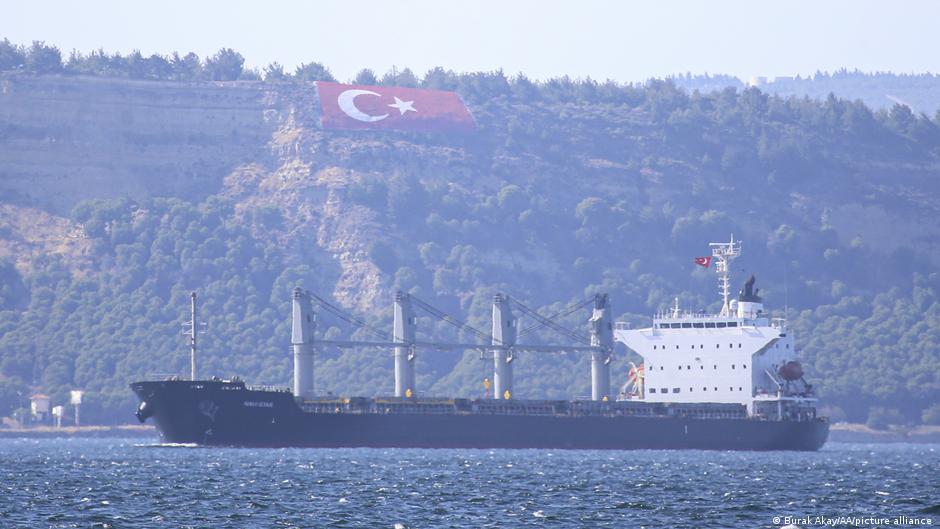
On August 9, the oil tanker Aegean Dream, bound for Novorossiysk, passed through the Dardanelles Strait, marking the resumption of vessel transit by Turkey through its critical maritime chokepoints connecting to the Black Sea. The container ship Mehmet Kahveci A followed through the straits the same morning, also en route to Novorossiysk, according to monitoring data.
Strategic Implications of Turkey's Maritime Transit Policies
Turkey had temporarily restricted the movement of commercial vessels through its straits amid rising security concerns related to increased Russian and Ukrainian attacks in the Black Sea. This move, reported by Bloomberg on August 8, involved the Turkish Coast Guard notifying multiple ships destined for Novorossiysk that transit permits would not be issued pending further review. These restrictions also applied to vessels headed to Ukraine.
The Turkish government has not publicly explained the rationale behind the temporary suspension or detailed its decision-making process. The Ministry of Transport did not respond to requests for comment as of August 9.
"We have a set of measures on this issue presented to our president, and we are beginning their implementation," said Turkey’s Foreign Minister Hakan Fidan, emphasizing Ankara's proactive approach to addressing maritime security in the Black Sea.
The background to these restrictions includes increasing drone attacks on commercial ships in the region. In early August, Turkish authorities reported injuries to crew members aboard two vessels owned by Turkish companies following drone strikes. The Ministry of Foreign Affairs has stressed the urgent need for all parties, especially those involved in the conflict, to take concrete steps to ensure safe navigation in these waters, warning of extensive negative implications, including threats to global food security.
Turkey has appealed to both Ukraine and Russia to declare a moratorium on attacks targeting commercial shipping in the Black Sea. This diplomatic effort is part of a broader strategy to stabilize a key international trade route and mitigate risks to maritime logistics and regional security.
Adding to the complexity, Ukrainian unmanned aerial systems (UAS) have targeted numerous Russian tankers in the Black Sea since early July under the operation codenamed "MoLoChKa," intensifying the conflict's impact on maritime traffic. Ukrainian ports have also suffered repeated strikes, severely disrupting agricultural exports and effectively halting traffic through the maritime corridor. Alternative overland routes remain insufficient to compensate for the losses in shipping capacity.
For Turkey, balancing its strategic interests as the gatekeeper of the Bosporus and Dardanelles straits against escalating regional hostilities presents a formidable challenge. The reopening of the straits signals Ankara’s intent to maintain maritime traffic flow while navigating the complex geopolitical dynamics involving its neighbors and international stakeholders.