US Senate Advances 'Graham Sanctions' Bill Targeting Russia and Iran Amid Bipartisan Support
Senate moves forward with legislation empowering presidential tariffs on Russia and its allies in a strategic shift in US sanctions policy.
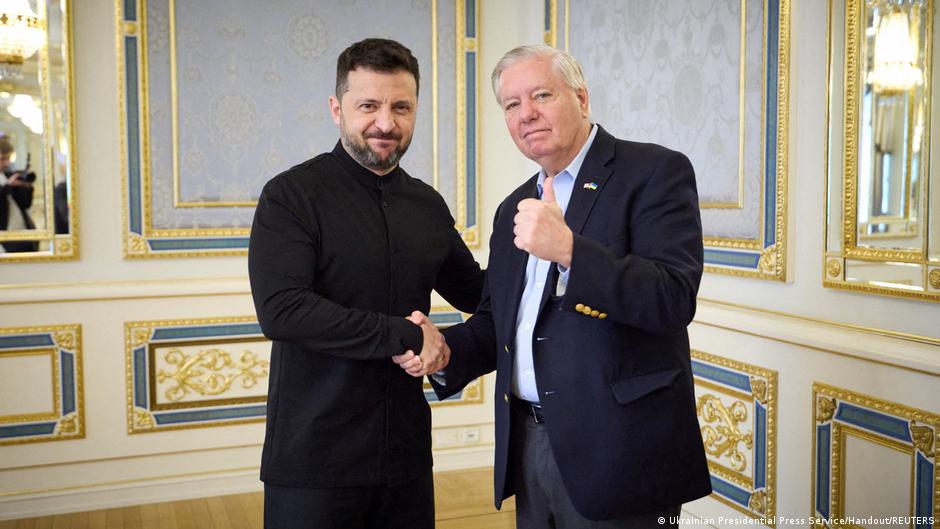
On July 28, the US Senate approved further consideration of a significant sanctions bill targeting Russia and Iran, originally crafted by the late Republican Senator Lindsey Graham. The procedural vote saw overwhelming bipartisan support, with 86 senators voting in favor and only 12 against, signaling a strong consensus on tightening economic pressure on Moscow and Tehran.
Notably, Ukrainian President Volodymyr Zelensky was present during the Senate proceedings, underscoring the geopolitical importance of the legislation. Earlier that day, Zelensky met with then-President Donald Trump and held discussions with senators from both parties, particularly on issues such as anti-ballistic missile defense. The Ukrainian leader described the vote as "a first step toward implementing Lindsey’s plans and a definite move toward peace," emphasizing the bill’s strategic role in the ongoing conflict and US foreign policy.
Strategic Implications and Corporate Impact
The bill empowers the US president to impose tariffs as high as 500% on goods imported from Russia, marking a substantial escalation in trade restrictions. Additionally, the legislation authorizes 100% tariffs on imports from countries that purchase Russian oil, uranium, or natural gas, or otherwise assist Russia in circumventing existing sanctions. These powers are set to remain in place for five years, providing a long-term framework to exert economic pressure on Russia and its partners.
"It was an honor to witness the vote count—86 senators supported the bill. This is the first step toward realizing Lindsey's plans and certainly a step toward peace," said President Zelensky.
This legislation represents a strategic recalibration of US sanctions policy, potentially disrupting global supply chains and affecting multinational corporations engaged in energy and commodity markets. Companies involved in importing from Russia or its trade partners now face increased regulatory uncertainty and potential tariff costs, necessitating a reassessment of risk management and compliance strategies.
From a corporate strategy standpoint, firms operating within energy sectors, particularly oil and gas, uranium, and related industries, must prepare for possible market shifts. The prospect of 100% tariffs on countries importing Russian resources may drive diversification of supply sources and accelerate investments in alternative energy. Likewise, US importers of Russian goods must evaluate tariff exposure and consider supply chain realignment to mitigate the impact.
Legislative Context and Political Dynamics
The bill, which dates back to 2025 but had faced delays partly due to former President Trump's initial opposition, reflects a bipartisan consensus that has solidified following Senator Graham’s death. Trump’s earlier reservations centered on the need for broader presidential powers concerning the imposition and lifting of sanctions on Russia and Iran. The revised legislation, shaped by an interparty group of senators, has since addressed some of these concerns, facilitating broader support.
Final Senate approval is anticipated later this week; however, the bill will not become effective before September because the House of Representatives is currently in recess for the summer. This parliamentary timing adds a layer of uncertainty regarding the immediate enforcement of the sanctions but signals strong momentum toward tougher economic measures.
In the broader competitive landscape, the legislation could influence international trade relations and prompt realignments among US allies and trading partners. Countries reliant on Russian energy exports may face increased costs or political pressure to reduce dependency, potentially accelerating global shifts in energy sourcing and trade alliances.
For corporate executives and policymakers alike, monitoring the bill’s progress and preparing for its implications is crucial. The legislation heralds a new phase in US sanctions enforcement, blending trade policy with geopolitical strategy to influence Russia’s economic position and deter its international activities.