IRGC Confirms Mining of Oil Tanker in Strait of Hormuz Amid Escalating Maritime Tensions
IRGC vows continued attacks on vessels crossing Strait of Hormuz without Iran's consent, signaling increased regional maritime control and risk for shipping companies.
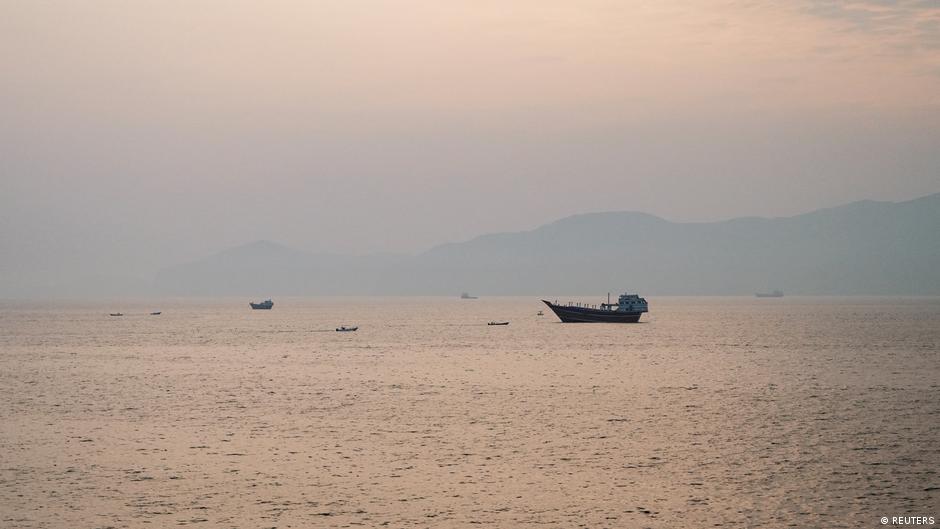
The Islamic Revolutionary Guard Corps (IRGC) has announced that it mined an oil tanker attempting to pass through the Strait of Hormuz without Iranian approval, signaling heightened military enforcement over the strategic waterway critical to global oil trade. This development comes amid ongoing tensions between Iran, the United States, and allied shipping interests in the region.
Strategic Enforcement and Commercial Impact
According to a July 23 statement from the Iranian Tasnim news agency citing the IRGC, three oil tankers, influenced by the U.S. military presence, tried to navigate a mine-laden route south of the Strait of Hormuz. One tanker detonated a mine causing a severe fire, forcing two others to retreat. The IRGC declared its naval forces will continue blocking passage through the strait until the U.S. ceases what Iran terms "aggressive actions" in the region. Furthermore, the IRGC warned that any vessel attempting passage without coordination with Iran will face similar consequences.
This declaration underscores Iran's strategic maneuver to assert control over a critical chokepoint through which approximately 20% of the world's petroleum passes. The move raises significant risks for global shipping firms and energy markets, as insurance and operational costs for vessels in the region are likely to surge.
Case of the Greek-Owned Tanker Kavomaleas
Financial Times reported on July 23 that satellite imagery suggests the oil tanker Kavomaleas, owned by Greek shipping magnate Georgios Procopiou, was towed into Iranian waters following an attack on July 19 in the Strait of Hormuz. The vessel, en route from Oman to the Persian Gulf, was struck by two projectiles that ignited a fire in the engine room, forcing crew evacuation.
European Space Agency satellite images dated July 21 show a vessel matching Kavomaleas' dimensions and deck color within Iranian territorial waters near Larak Island, with smoke visible from the engine room. Analysts infer a high likelihood of Iranian seizure. The tanker was reportedly carrying over 500,000 barrels of oil, with satellite data also revealing an oil trail trailing the ship.
Dynacom, the owning company, stated it had not authorized any vessel movements and is currently investigating the ship's status. This incident marks the third confirmed Iranian seizure of commercial vessels since the onset of escalating hostilities involving the U.S. and Israel against Iran. To date, 45 ships have been attacked amid the conflict.
"The IRGC's actions reflect a strategic effort to control the Strait of Hormuz, elevating risks for international shipping and complicating global oil supply chains," maritime analysts noted.
For shipping companies and global energy markets, the incident highlights the increasing operational challenges and geopolitical risks in navigating the Strait of Hormuz. Strategic corporate decisions regarding fleet routing, insurance underwriting, and risk management are likely to be reassessed in response to Iran's assertive maritime posture.