Over 180 Drones Shot Down Near Moscow Amid Nighttime UAV Assault Targeting Strategic Sites
Moscow authorities report the interception of more than 180 unmanned aerial vehicles during a large-scale drone attack impacting residential and industrial areas near the capital.
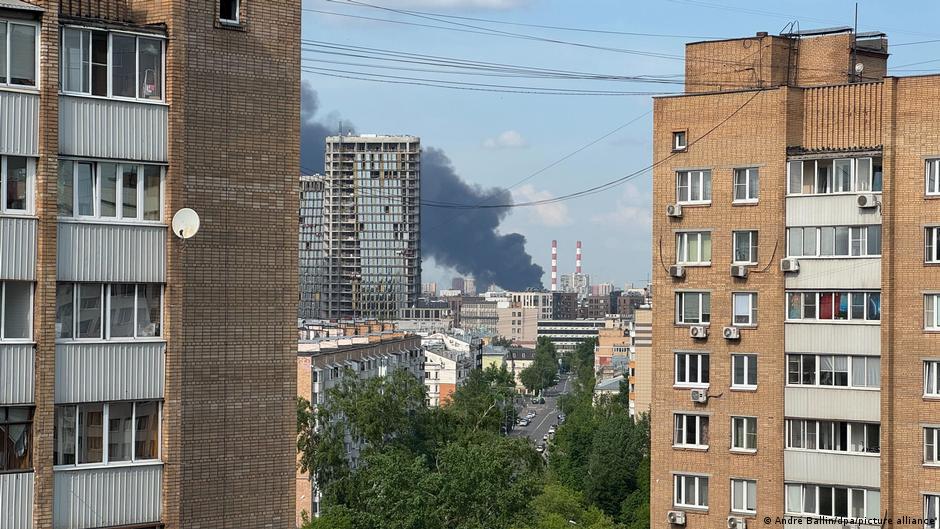
During the night spanning August 17 to early August 18, Moscow and its surrounding region faced an unprecedented aerial threat, as authorities intercepted a significant number of unmanned aerial vehicles (UAVs) attempting to penetrate restricted airspace. According to Moscow's mayor, Sergey Sobyanin, more than 180 drones were destroyed over the Moscow region amid a total of 620 UAVs detected heading towards the city.
Strategic and Residential Targets in the Moscow Region
While the mayor did not specify the exact intended targets of the UAVs, reports from local observers indicate multiple explosions across key suburban areas including Noginsk, Zheleznodorozhny, Elektrostal, and Pavlovsky Posad. These locations are significant for their industrial and residential importance within the Moscow Oblast.
Compounding the impact, a residential complex known as "Duna" in Kotelniki, located near the Moscow Oil Refinery, was reportedly affected. This refinery has previously been targeted by Ukrainian drone attacks, marking it as a critical infrastructure asset within the region's energy and industrial framework. The proximity of "Duna" to the refinery—approximately five kilometers east—places it at elevated risk during such attacks.
"More than 180 drones were shot down overnight, representing a coordinated attempt to disrupt Moscow's airspace and critical infrastructure," said Mayor Sobyanin.
Casualties and Infrastructure Damage
The regional governor, Andrey Vorobyov, confirmed several injuries resulting from drone debris. Notably, a 10-year-old girl sustained shrapnel wounds to her hand in the Ramensky district. Additionally, a woman required medical assistance in the Bogorodsky district, and a 27-year-old man was injured in Kolomna.
Infrastructure damage was also reported: a fire broke out in a retail pavilion near the "Globus" shopping center in Kolomna following drone debris impact, and a Wildberries warehouse in the Bogorodsky district's "Atlant-Park" area suffered damage from a drone strike. These incidents underscore the collateral risks of aerial attacks on civilian and commercial facilities.
Airspace Restrictions and Defense Measures
In response to the UAV threats, Russian aviation authorities imposed temporary restrictions on aircraft movements at major Moscow airports including Vnukovo, Domodedovo, and Zhukovsky. Sheremetyevo airport also faced controlled airspace limitations, with flights permitted only under coordination with relevant authorities. These measures reflect an urgent need to safeguard passenger traffic amid active aerial threats.
Footage circulating from monitoring channels purports to show the interception efforts by air defense systems targeting the drones over Moscow Oblast. This event highlights the evolving nature of aerial security challenges facing urban hubs, especially those with critical industrial assets nearby.
Implications for Corporate Security and Regional Stability
The drone attacks represent a significant escalation in asymmetric threats utilizing UAV technology to target key economic and residential assets near Moscow. For corporations operating in the Moscow region—especially those within the energy, logistics, and retail sectors—the incident underscores the importance of integrating advanced airspace security measures and crisis response strategies.
Moreover, the disruption to airport operations and damage to commercial warehouses could have ripple effects across supply chains and logistics networks, impacting broader regional economic activities. Businesses and local authorities must therefore collaborate closely to enhance resilience against such hybrid threats.