US House Bill to Ban Russian Oil Tests Trump’s Energy Strategy
A bipartisan push in Congress would challenge the White House’s reported diesel fuel deal with Moscow and reshape energy-risk calculations.
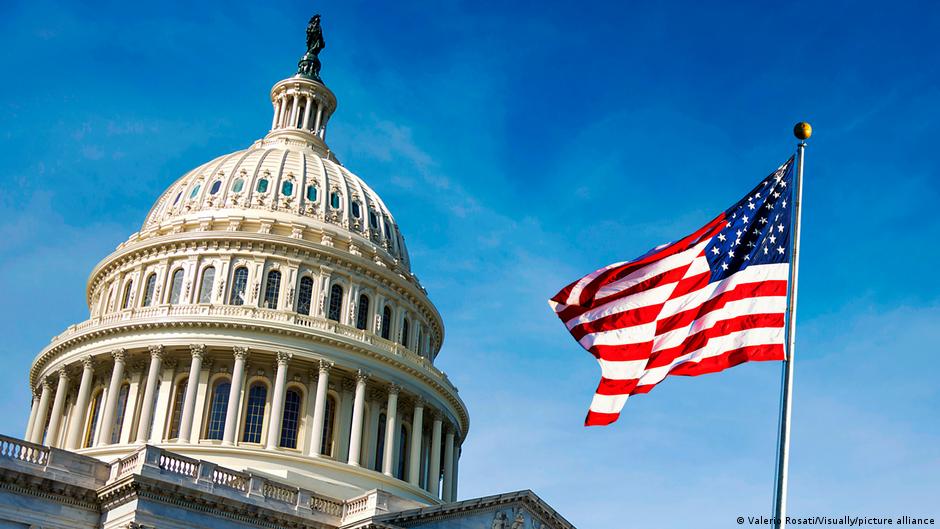
A bipartisan bill expected in the US Congress would seek to prohibit all purchases of Russian oil, opening a new front in Washington’s debate over energy security, sanctions policy and the commercial consequences of renewed fuel trade with Moscow.
Representative Brian Fitzpatrick, a Pennsylvania Republican, said on Saturday, October 10, that lawmakers would introduce legislation aimed at a “ban on any purchases of Russian oil.” According to Fitzpatrick, the measure will be called the Ronald Reagan Peace Through Strength Act, a title that signals an effort to frame energy policy as a matter of strategic leverage rather than commodity management alone.
The bill is notable not only for its substance but for the procedural route its backers intend to use. Fitzpatrick said the measure would be brought to the House floor through a discharge petition, a parliamentary mechanism that allows rank-and-file lawmakers to force a vote by the full chamber even if committee leaders or the speaker block consideration. To succeed, the petition must secure at least 218 signatures, an absolute majority of House members.
“It will pass with an overwhelming majority,” Fitzpatrick said, according to the account of his remarks.
For energy companies, traders and industrial buyers, the initiative introduces a clear political risk into any business strategy premised on restored access to Russian crude or refined products. Even before a vote, the proposal sends a signal that Congress may attempt to narrow the executive branch’s room for maneuver on energy supply arrangements involving Russia.
A direct challenge to the White House
The proposed legislation follows criticism in Congress of President Donald Trump’s decision involving diesel fuel from Russia. Representative Don Bacon, a Nebraska Republican, has already said he will support the bill and criticized Trump’s move to buy diesel fuel from Russia.
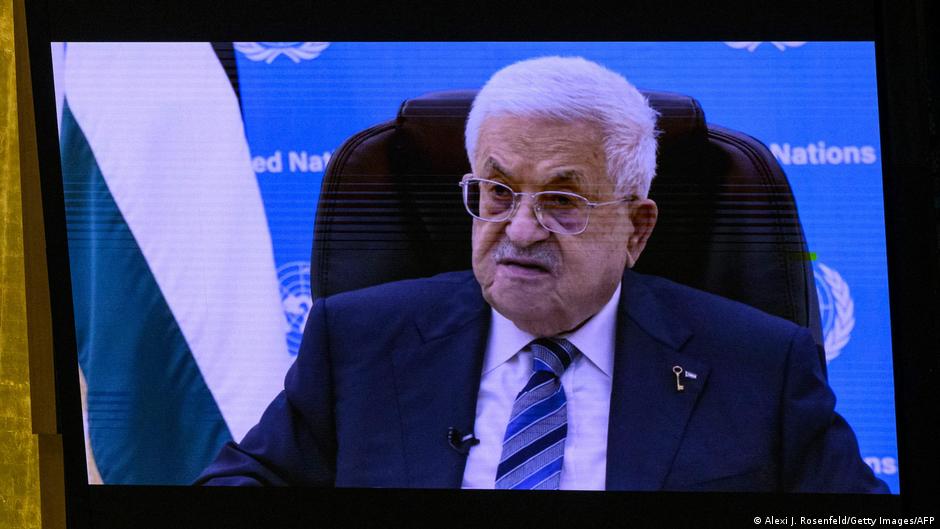
The dispute emerged after Trump said on October 9 that he had held “very successful” talks with Russian President Vladimir Putin. Those talks, according to the account, produced an agreement on supplies of Russian diesel to the United States and to the global market. Putin later officially confirmed the phone call with Trump and the arrangements discussed.
In a statement attributed to the Russian president, Moscow said that during discussion of the global energy situation, the Russian side confirmed its readiness to supply oil and petroleum products to the American and global markets. The statement also said Putin was confident this would have a positive effect on the entire global economy.
That framing presents Russian supply as a stabilizing factor for global energy markets. The congressional response, however, treats the same supply relationship as a strategic vulnerability. The resulting tension creates a business-policy conflict: one side emphasizes fuel availability and potential market relief, while the other focuses on dependence, sanctions credibility and geopolitical exposure.
Corporate strategy under political pressure
From a corporate strategy perspective, the bill could complicate procurement planning across fuel-intensive sectors. Refiners, distributors, transportation companies and large industrial consumers would need to assess whether any prospective Russian-origin supply could become unavailable through legislation, even if it appeared commercially viable under an executive-level arrangement.
The discharge petition strategy adds another layer of uncertainty. Because the process is designed to bypass leadership bottlenecks, companies cannot evaluate the bill only through the usual committee timetable or leadership agenda. If supporters gather the required 218 signatures, the proposal could move to a full House vote despite resistance from senior figures who might otherwise slow or block it.
For the Trump administration, the bill would represent a challenge from within the president’s own party as well as from across the aisle. Fitzpatrick is a Republican, as is Bacon, whose public support suggests that resistance to Russian fuel purchases may not divide neatly along party lines. That matters for companies trying to predict regulatory outcomes: bipartisan sponsorship or support can reduce the usefulness of standard partisan risk models.
The title of the bill also carries strategic messaging. By invoking Ronald Reagan and the phrase “peace through strength,” supporters are positioning the measure within a broader conservative foreign-policy tradition. That may help proponents appeal to Republicans who are skeptical of Russian energy ties while also attracting Democrats who favor tougher restrictions on Moscow.
Competitive implications for energy markets
If enacted, a ban on purchases of Russian oil would affect the competitive landscape by excluding a potential supply source from US procurement channels. That could benefit alternative suppliers capable of filling demand for crude or refined products, including diesel. It could also preserve or intensify pressure on buyers to diversify supply chains away from Russian-linked barrels and products.
The reported agreement described by Trump and confirmed by Putin would have positioned Russian diesel as a factor not only in the US market but also in the broader global market. Blocking such purchases would therefore be more than a domestic trade restriction. It would be a statement about how far US lawmakers are willing to go to limit Russia’s role in energy flows, even when supply conditions are presented as economically beneficial.
For management teams, the immediate lesson is that political alignment can change the value of supply options quickly. A fuel source that appears attractive on price, availability or logistics may carry elevated legislative risk if it conflicts with congressional sentiment. Companies with exposure to diesel procurement, oil trading or energy-intensive operations would likely need to monitor not only executive announcements but also procedural developments in the House.
The bill has not yet been described in operational detail in the account, and no vote has taken place. Still, the combination of bipartisan positioning, public Republican support and use of a discharge petition suggests that its sponsors are preparing for a direct institutional confrontation over the direction of US energy policy toward Russia.
That makes the measure a strategic test for Washington and for the businesses that must price political risk into energy decisions. If congressional backers can assemble the required signatures, the debate over Russian oil purchases will move from statements and criticism to a formal vote, forcing lawmakers to decide whether market access or geopolitical constraint should define the next phase of US energy policy.