Russian State Duma Revises Fuel Dampener Mechanism to Stabilize Domestic Fuel Market
New amendments to the Tax Code aim to improve fuel supply and price stability by adjusting compensation schemes and sales regulations.
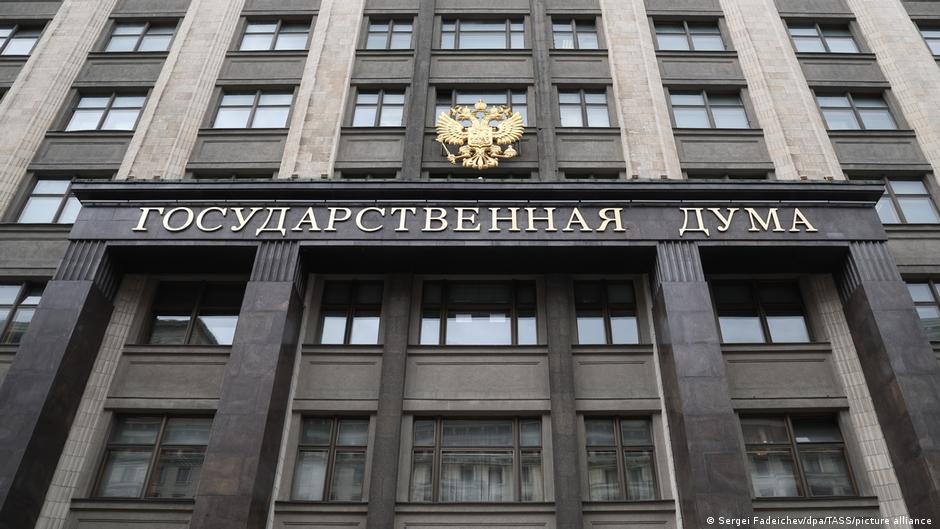
The Russian State Duma has enacted a series of amendments to the Tax Code designed to stabilize prices and supply in the domestic fuel market. Adopted during the second and third readings, these legislative changes adjust the fuel dampener mechanism, modify regulations on exchange sales, and introduce new compensation rules for imported diesel fuel.
Strategic Adjustments to Fuel Market Regulation
The fuel dampener system, a government compensation scheme that partially reimburses oil companies for expenses incurred in supplying fuel domestically, is central to these amendments. Authorities expect that refining this system will enhance fuel availability and mitigate price volatility risks.
These changes respond to earlier government interventions, including reduced mandatory gasoline sales quotas on exchanges and export restrictions on petroleum products, intended to ensure sufficient domestic supply.
A key innovation is the widening of the scope of fuel deliveries counted toward mandatory minimum exchange sales. The adjusted framework now includes volumes sold outside the exchange under conditions to be specified by the government, facilitating direct contracts between refineries and authorized fuel suppliers, particularly benefiting the agricultural sector.
"This approach enables stable supply to specific industries without breaching mandatory exchange sales requirements," officials explained.
Additionally, the amendments extend the fuel dampener's application to include payments on average distillates—types of petroleum products closely related to diesel fuel—from July 2026 through July 2027. This recognizes the role of certain diesel fuel variants delivered to the domestic market.
Import Compensation and Pricing Benchmarks
The legislation also introduces a compensation mechanism for imported diesel fuel analogous to the existing system for gasoline. Importers may receive tax credits on excise duties if the cost of imported fuel exceeds domestic wholesale prices. These payouts are conditional upon simultaneous export restrictions on diesel and aviation kerosene being in effect the previous month.
For diesel imports originating from third countries, the export alternative price is benchmarked to Indian market prices adjusted for delivery costs to Russian ports. India serves as a pricing reference rather than a mandatory supplier.
Furthermore, imports from Belarus benefit from a preferential compensation coefficient of 0.9, enhancing their competitiveness relative to the general compensation regime.
Context and Industry Impact
The timing of the law's adoption coincides with India’s decision to nearly double export duties on diesel and aviation fuel. India ranks among the world's leading petroleum product exporters, accounting for roughly 6% of global seaborne deliveries.
State Duma Chairman Vyacheslav Volodin highlighted that the impact of these measures could materialize quickly through increased fuel supplies and stockpiling. Meanwhile, Deputy Prime Minister Alexander Novak confirmed ongoing effectiveness from export limits, boosted production volumes, import contributions, and deferred refinery maintenance schedules.
The legislative intervention comes amid challenges faced by the Russian refining sector, including significant operational disruptions caused by drone attacks in spring and summer 2026, which led to the shutdown of refineries with a combined capacity exceeding 83 million tons annually—about 25% of Russia’s refining capacity. These facilities contributed over 30% of automotive gasoline and roughly 25% of diesel fuel production, prompting intensified regulatory efforts and exploration of supplementary supply sources.