House Advances Graham Sanctions Bill, Raising Stakes for Energy Buyers
The measure would expand tariff options against major buyers of Russian energy while extending existing U.S. sanctions on Iran.
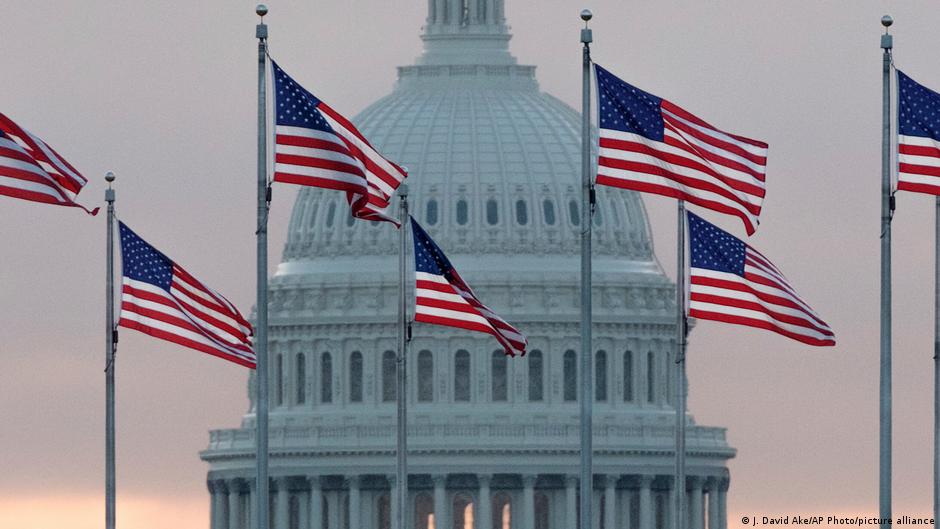
The U.S. House of Representatives has cleared the procedural path for debate on a sanctions bill associated with Lindsey Graham, moving a politically charged trade and foreign-policy package closer to a full vote. The decision does not enact the measure, but it allows lawmakers to begin considering the substance of a proposal that could reshape the commercial risk profile for countries and companies tied to Russian energy flows.
On Tuesday, September 15, the House approved the rule governing consideration of the bill, which would allow U.S. President Donald Trump to impose tariffs on countries that buy Russian energy resources and would extend existing U.S. sanctions against Iran. Media outlets have referred to the proposal as the “Graham bill,” in memory of the late Senator Lindsey Graham, who helped draft and actively promote it.
The vote was narrow. According to The Hill, the House rule prepared by the relevant committee was approved after two Democrats broke with their party’s position. The final tally was 214 lawmakers in favor and 211 opposed, underscoring how closely divided Congress remains over the right mix of pressure on Russia, executive authority and costs for U.S. consumers.
A Tariff Tool With Strategic Reach
For business leaders, the proposal matters because it is framed not only as a sanctions instrument but also as a tariff mechanism. The bill would permit Trump to levy tariffs of 100% on the five largest buyers of Russian oil and gas, as well as on five countries deemed to be helping Russia evade energy sanctions. That structure points to a broad commercial impact extending beyond Moscow and into the trading partners, intermediaries, shippers, refiners and importers that operate around Russian energy supply chains.
Unlike conventional sanctions, tariffs can alter corporate economics quickly by changing landed costs, contract assumptions and sourcing decisions. For multinational companies, the risk is not limited to direct purchases of Russian commodities. The bill’s reference to countries helping Russia bypass energy sanctions raises the possibility of greater scrutiny across payment channels, logistics arrangements and resale markets. Companies active in energy, shipping, insurance, industrial production and commodity trading would likely need to revisit counterparty exposure if the bill becomes law.
The timing also gives the measure a geopolitical character that goes beyond Ukraine. During committee hearings on September 14, Republican Representative Michael McCaul of Texas described the next day’s vote as exceptionally important as a message to Russian President Vladimir Putin about U.S. support for Ukraine and as a warning to Chinese President Xi Jinping against any attempt to act aggressively toward Taiwan.
McCaul framed the vote as a signal to both Moscow and Beijing, linking the sanctions debate to U.S. commitments in Ukraine and deterrence in the Taiwan Strait.
That linkage is significant for corporate strategy. Companies have spent years adjusting to Russia-related sanctions, but the bill suggests a wider policy logic: energy leverage, secondary pressure and deterrence across theaters may increasingly be treated as connected tools. For boards and management teams, this raises the value of scenario planning that accounts not just for Russia exposure, but for the knock-on effects of Washington’s policy toward China, Taiwan and global energy security.
Management Risk and Political Division
The bill’s critics among Democrats argue that the measure would sharply expand Trump’s authority over customs duties without mandating sanctions directly against Russia. Their concern is that the bill may give the president broad discretion over tariffs while failing to guarantee the specific Russia-focused penalties that supporters associate with the proposal.
Representatives Don Beyer, Gregory Meeks and Richard Neal warned that the approach would raise prices for Americans and, over the long term, undermine support for Ukraine. That argument places consumer costs at the center of the political and business debate. If tariffs on major Russian energy buyers translate into higher input prices or supply disruptions, U.S. companies could face pressure on margins, procurement budgets and customer pricing at the same time that policymakers seek to sustain public backing for Ukraine.
From a management perspective, the issue is uncertainty. The bill would create a legal pathway for action, but the practical effect would depend on presidential decisions, country designations and enforcement priorities. Companies would have to prepare for a policy environment in which tariff exposure can arise from national energy relationships rather than from a firm’s own direct trade with Russia. That kind of indirect exposure is harder to map and may require closer coordination between legal, procurement, treasury and government-affairs teams.
The narrow procedural vote also suggests that the measure’s future will be shaped by coalition management as much as by policy substance. The support of two Democrats was enough to advance debate, but the bill still faces a full House vote. That vote is expected before the end of the current week. If the so-called “hellish” sanctions package secures support at that stage, the bill will be sent to Trump for signature. He has previously stated his support for the initiative.
For competitors in the global energy market, the bill could create strategic openings and constraints. Alternative suppliers may gain leverage if buyers seek to reduce exposure to Russian oil and gas. At the same time, countries and firms that rely on discounted Russian energy could face a sharper trade-off between cost advantages and access to U.S.-linked markets. The prospect of 100% tariffs is designed to make that calculation more difficult.
The House vote therefore marks more than a procedural milestone. It signals that Washington is considering a sanctions model that combines foreign policy, tariff power and energy-market pressure in a way that could affect corporate decision-making across several sectors. Whether the bill becomes law will depend on the coming House vote and Trump’s final approval, but the debate has already put companies on notice that Russian energy exposure may carry broader commercial consequences.