US Intelligence Warns Israel May Disrupt US-Iran Deal Amid Regional Security Concerns
Israeli Prime Minister Netanyahu reportedly plans to oppose the US-Iran agreement to protect national security interests and political standing.
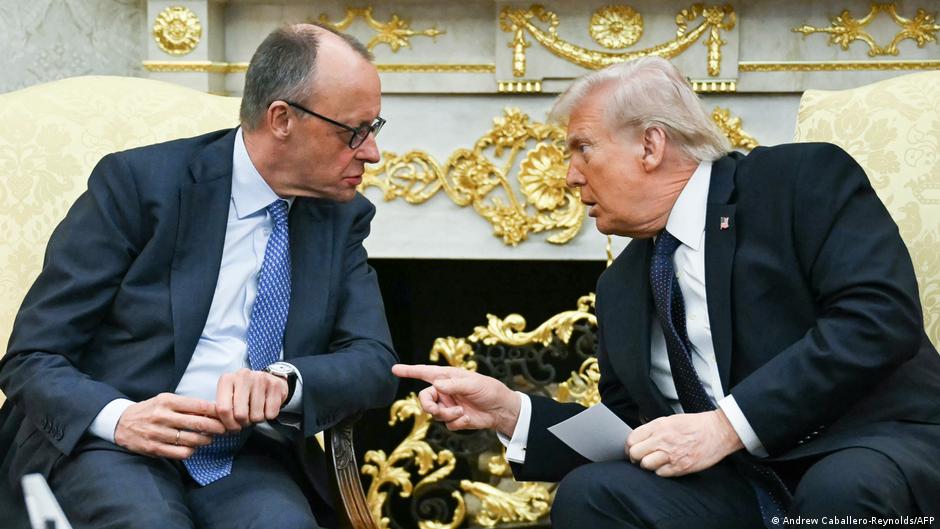
US intelligence agencies have issued a warning to the Trump administration that Israeli Prime Minister Benjamin Netanyahu may attempt to undermine the long-term agreement between Washington and Tehran. The intelligence community highlights Israel's dissatisfaction with the terms of the memorandum signed on June 17, which aims to de-escalate conflict between the US and Iran.
Strategic and Political Motivations Behind Israel's Opposition
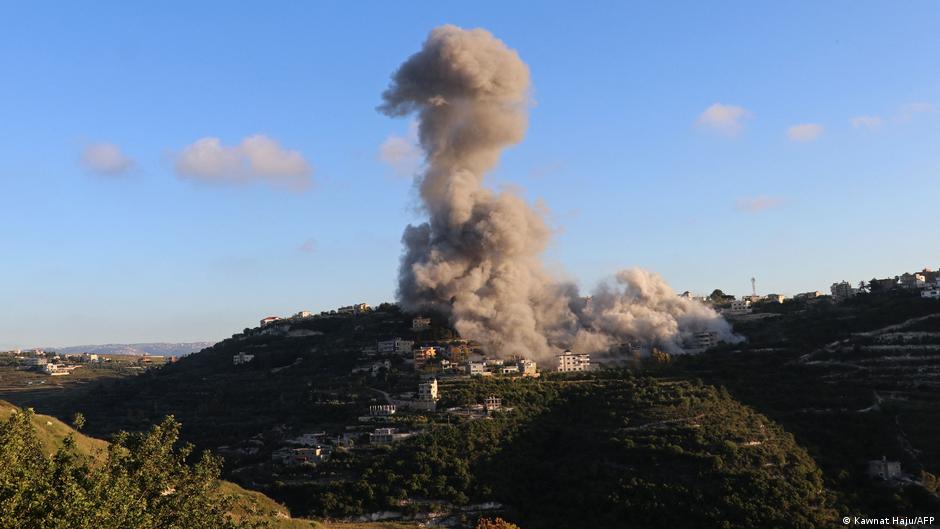
According to intelligence reports, Israel intends to continue military operations against Hezbollah, the Lebanese Shiite militant group backed by Iran, which contradicts Tehran’s demands as part of ongoing negotiations with Washington. Israel perceives the deal as relieving Tehran from the so-called "maximum pressure" campaign, potentially limiting Israel’s ability to defend against Hezbollah threats.
For Netanyahu, who is preparing for the 2026 parliamentary elections, maintaining strong opposition to Hezbollah resonates with public sentiment. A May poll by Israel’s Institute for National Security Studies found that 70% of Israeli Jews support intensifying efforts against Hezbollah. Any cessation of hostilities or withdrawal of the Israel Defense Forces (IDF) from southern Lebanon could be perceived as a political defeat for Netanyahu.
“Stopping military operations against Hezbollah or pulling back from southern Lebanon would be seen as a loss for Netanyahu, given the strong public backing for continued action.”
US media reports suggest Netanyahu may leverage pressure tactics on President Trump to derail the deal. He reportedly believes the final agreement will not be successful, partly because Iran is unwilling to accept constraints on its nuclear program. To advance his position, Netanyahu is utilizing right-wing bloggers, supportive US senators, and media outlets sympathetic to Israel.
Ceasefire Developments and Negotiation Challenges
Despite concerns over Israel’s stance, reports from Reuters and Sky News indicate that Israel and Hezbollah reached a ceasefire agreement on June 19. However, Israeli sources have stated that the IDF will maintain its presence in southern Lebanon. Conflicting claims about ceasefire violations have emerged, with Beirut accusing the IDF of post-agreement strikes, though Israel has not confirmed these allegations.
The ceasefire is a central element of the US-Iran memorandum designed to halt the conflict initiated by the US and Israel on February 28. The memorandum outlines a 60-day negotiation period following its signing, intended to culminate in a definitive peace agreement.
Nevertheless, hostilities in Lebanon persisted beyond the signing, complicating diplomatic efforts. Scheduled talks between US and Iranian delegations in Switzerland on June 19 were postponed, despite initial expectations that the meeting would proceed with participation from mediator countries including Qatar and Pakistan.
Iranian negotiators have demanded verification of US compliance with the memorandum before engaging in further discussions. President Trump responded to the delay by asserting on social media that Iran is the desperate party and indicated a firm stance against providing financial concessions during the negotiation period.
Implications for Corporate Strategy and Geopolitical Stability
This developing situation holds significant implications for international business and investment in the Middle East. The uncertainty surrounding the US-Iran agreement, driven partly by Israel’s strategic posture and domestic political calculations, may affect regional stability and economic forecasts.
Companies operating in sectors such as energy, defense, and infrastructure should monitor these geopolitical dynamics closely. Potential disruptions could influence market conditions, regulatory frameworks, and risk assessments in the region.