Ukraine's Zaluzhny Sees NATO Membership as Unattainable, Advocates Alternative Defense Alliances
Former Ukrainian Armed Forces commander highlights strategic challenges with NATO integration and stresses need for new security coalitions.
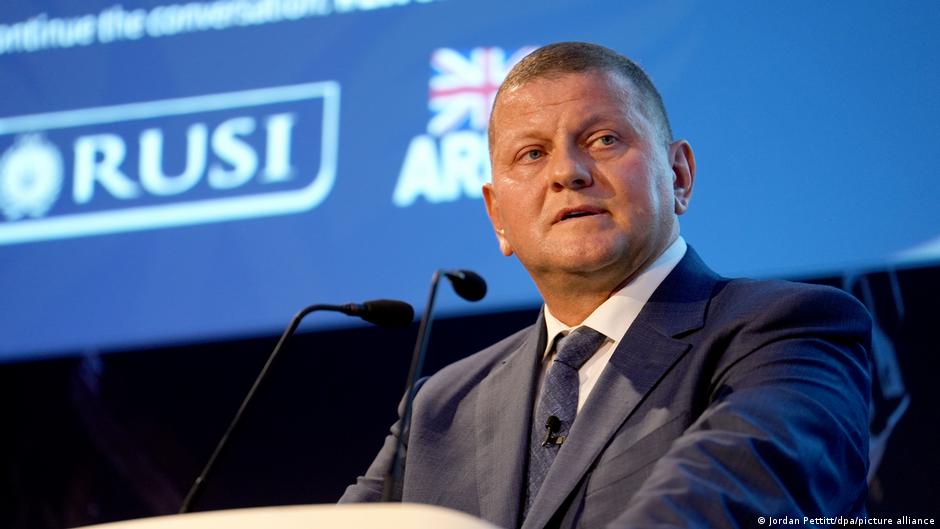
Ukraine's prospects of joining NATO appear slim, according to General Valeriy Zaluzhny, the country's ambassador to the UK and former commander-in-chief of the Ukrainian Armed Forces. Speaking at a high-level meeting of Ukrainian ambassadors in Kyiv, Zaluzhny expressed skepticism about Ukraine’s accession to the alliance, citing doctrinal misalignments and developmental gaps. Instead, he suggested Kyiv should focus on participation in emerging defense coalitions that better align with its strategic and operational realities.
Strategic Assessment of NATO Membership Barriers
Zaluzhny, who has been intimately involved with Ukraine's military reform efforts to meet NATO standards for over a decade, stated bluntly that "we will never join NATO." He pointed to fundamental discrepancies between the alliance’s doctrinal framework—rooted in Cold War-era strategic concepts—and the current state and evolution of the Ukrainian Armed Forces (UAF). According to Zaluzhny, the level of development of Ukraine’s military capabilities is insufficient to meet NATO’s stringent requirements.
"It is impossible to join with the level of development that the Armed Forces of Ukraine currently have, to an organization that is guided by doctrines from the Second World War," Zaluzhny asserted.
He further predicted that NATO’s organizational structure and strategic approach are unlikely to evolve significantly in the near future, suggesting that it could take Ukraine more than a decade to reach even half the military standard of the Russian Federation—a key regional competitor and adversary.
Technology Access and Alternative Security Frameworks
Despite these reservations about NATO membership, Zaluzhny acknowledged the critical importance of access to NATO technologies, particularly in areas such as missile defense where Ukraine faces ongoing challenges. The current conflict with Russia has underscored Ukraine’s need for advanced defensive systems like the American Patriot missile complexes, which are constrained by missile shortages amid a sustained Russian attack campaign.
As an alternative to NATO accession, Zaluzhny advocates for Ukraine’s integration into newer, more flexible defense alliances such as the Joint Expeditionary Force (JEF). Established in 2015 and led by the United Kingdom, the JEF comprises ten Northern European countries including Denmark, Finland, Estonia, and Sweden, focusing on regional security in Northern Europe and the Baltic and Arctic zones.
Ukraine was granted an enhanced partnership status with the JEF in December 2025, enabling closer cooperation especially in maritime security and countering Russian naval activities. However, Zaluzhny lamented Ukraine’s insufficient engagement with the coalition, citing organizational weaknesses within the JEF’s command structure that currently lack the collective defense obligations found in NATO.
"Ukraine will be tethered to blocks and alliances that are likely to form," he said, emphasizing the probable emergence of a European military-security bloc as a more practical framework for Kyiv’s defense strategy.
Implications for Ukraine’s Defense and Regional Security
Zaluzhny’s remarks convey a pragmatic shift in Ukraine’s defense policy outlook. Recognizing the protracted timeline and complex political realities surrounding NATO membership, Kyiv appears to be recalibrating its corporate military strategy towards flexible, multilateral security partnerships that can provide tangible technological and operational support today.
For defense industry stakeholders and policymakers, this shift underscores the importance of engaging with emerging coalitions like the JEF and investing in interoperable technologies that facilitate joint operations outside traditional alliance frameworks. Meanwhile, Western defense suppliers have an opportunity to expand cooperation with Ukraine by supplying critical systems within these alternative platforms.
Overall, Zaluzhny’s assessment highlights a nuanced understanding of the competitive security landscape in Eastern Europe, advocating for strategic agility over institutional aspirations. This perspective may influence future mergers, acquisitions, and management decisions within the defense sector as Ukraine seeks effective partnerships to address evolving threats.