Russian Blogger Ilya Remeslo Detained Amid Political Criticism and Legal Proceedings
Former pro-Kremlin blogger Ilya Remeslo detained following psychiatric evaluation in a criminal case over alleged 'fake' army news.
In a notable shift from his earlier pro-government stance, Russian blogger Ilya Remeslo has been placed in pre-trial detention following a psychiatric examination amid criminal charges related to disseminating "fake news" about the Russian military. The move highlights the tightening political environment and the government's approach to dissent within influential online voices.
From Kremlin Supporter to Vocal Critic
Ilya Remeslo was once known as a staunch supporter of the Russian government, particularly recognized for his vocal opposition to political activists and the Russian opposition. He had a history of targeting figures such as Alexey Navalny and the Anti-Corruption Foundation (FBK), which helped cement his role as a pro-government blogger before his appointment to the Civic Chamber of Russia.
Remeslo’s activism included initiating legal actions against opposition figures, including cases related to alleged fraud during Navalny's 2017 presidential campaign and accusations of insulting a Russian war veteran. This background fostered his reputation as an enforcer of Kremlin rhetoric within the digital sphere.
However, in March 2026, Remeslo publicly reversed course by posting harsh criticism of President Vladimir Putin and the war in Ukraine on his Telegram channel. He accused Putin of usurping power, labeled him an illegitimate president, and described him as a "war criminal and thief." This unexpected stance marked a significant rupture from his previous position.
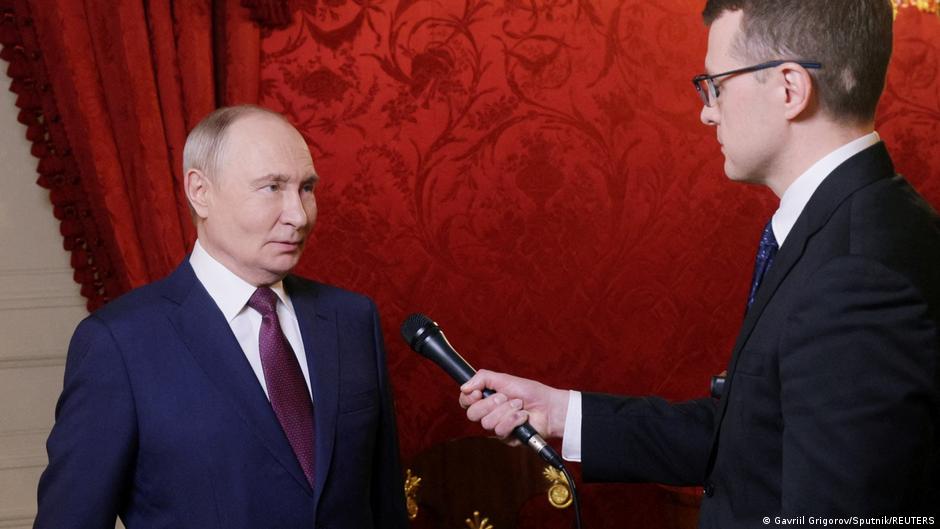
"I do not renounce my previous words and regard myself as the head of Russia’s opposition movement," Remeslo stated during an interview following his psychiatric hospitalization.
Following these posts, Remeslo was detained and subjected to a psychiatric evaluation at the Serbsky Institute, an institution with a historically controversial role in Russia’s judicial psychiatry, especially known for its Soviet-era diagnosis of "sluggish schizophrenia" used to suppress dissent.
Legal and Institutional Responses
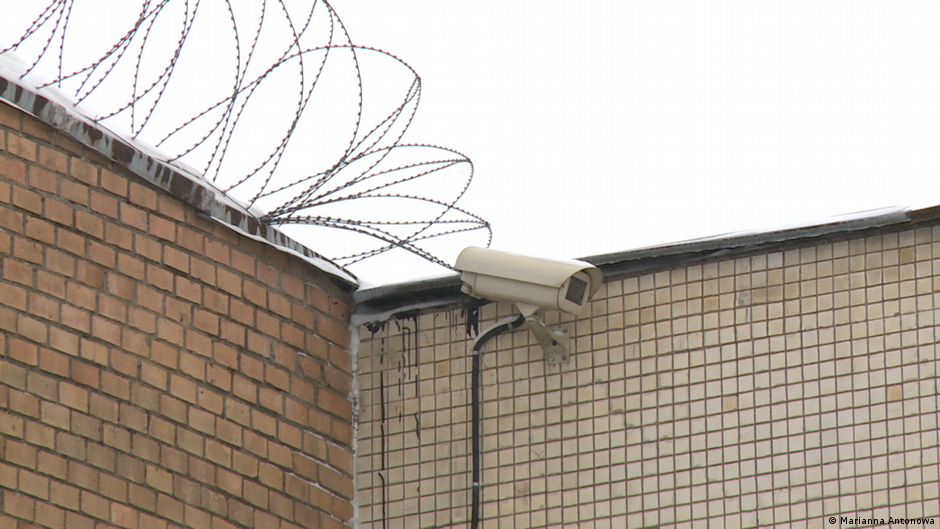
Remeslo’s detention in the pre-trial detention center known as SIZO No. 7 ("Kapotnya") lasts at least until mid-September, while Moscow's Basmanny Court prepares to review the criminal case against him. The charges carry a potential sentence of up to ten years in prison.
His case embodies a broader pattern where political dissent, especially public criticism of governmental actions and military operations, is met with legal measures ranging from criminal charges to psychiatric scrutiny. The use of psychiatric expertise in such cases recalls historical practices from the Soviet period.
Remeslo’s trajectory—from a government-aligned figure facilitating legal actions against opposition leaders to a self-declared opposition head prosecuted for his criticism—provides a stark illustration of the evolving political pressure on influential voices in Russia’s digital and political landscape.
This case also emphasizes the complexities organizations face when balancing corporate strategies and reputational risks within Russia’s volatile political environment. For businesses and media platforms engaging with or hosting politically sensitive content, the situation underscores the need for careful navigation of state power dynamics and the potential for rapid shifts in official tolerance.