US Senate Votes to End Military Engagement with Iran Amid Ongoing Negotiations
Senate resolution urges withdrawal of US troops from Iran conflict zone, highlighting congressional concerns over war continuation despite White House opposition.
US Senate Pushes for End to Military Hostilities Against Iran
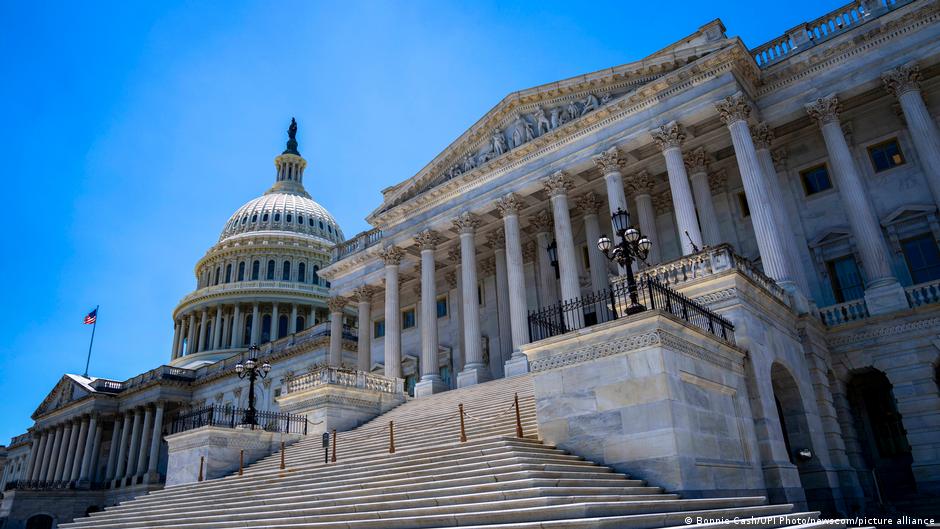
On June 23, the US Senate voted narrowly to support a resolution that calls for President Donald Trump to withdraw American troops from the theater of conflict involving Iran. The resolution, previously approved by the House of Representatives, passed with a 50 to 48 vote margin, reflecting growing bipartisan unease about the protracted military engagement that started in late February 2026 between the US, Israel, and Iran.
While the resolution carries significant political weight, it remains largely symbolic and lacks legal binding force. The White House has dismissed the measure as non-binding and emphasized that no active combat operations currently justify troop withdrawals, citing the ceasefire agreement established on April 17. Moreover, the administration attributes the resolution's passage in the Senate to the absence of several Republican senators during the vote.
"Congress must clearly signal that re-engagement in hostilities should not occur without its consent," stated Democratic senators who spearheaded the resolution.
The resolution reflects a strategic recalibration within the US government and legislative branches concerning military engagement with Iran. Democratic senators argue that the executive branch should not unilaterally determine continuation or escalation of conflict without congressional approval, underscoring the separation of powers and legislative oversight responsibilities.
Context of the Ceasefire and Ongoing Diplomacy
Despite the ceasefire, intermittent exchanges of hostilities have persisted. In mid-June 2026, the US and Iran signed a two-month memorandum of understanding aimed at halting military actions on all fronts, including Lebanon, lifting sanctions on Tehran, and establishing an Iranian reconstruction fund. The move represents a strategic shift toward conflict de-escalation and economic stabilization in the region.
Negotiations for a comprehensive peace agreement continue, with recent statements from President Trump suggesting progress on key issues such as nuclear oversight, sanctions relief, and maritime security in the strategic Strait of Hormuz. According to the president, Iran has agreed to permit international inspections of its nuclear facilities, facilitating the ongoing diplomatic engagement.
These developments have significant implications for the US corporate landscape, particularly for industries tied to defense, energy, and international trade. The potential de-escalation of conflict and easing of sanctions may open new avenues for business operations and investment in the Middle East. Conversely, legislative moves asserting congressional control over military decisions introduce an element of uncertainty that companies must monitor carefully as they strategize around geopolitical risk.
In sum, the Senate resolution, while symbolic, signals a notable shift in US political dynamics regarding military strategy and foreign policy toward Iran. It underscores the increasing scrutiny from lawmakers over executive decisions in conflict management and highlights the complex interplay between diplomacy, defense, and economic interests shaping the US approach to the region.