Russia Implements Widespread Fuel Sales Restrictions Amid Oil Industry Disruptions
Fuel sales limits imposed across 53 Russian regions following drone attacks on key oil refineries and storage facilities.
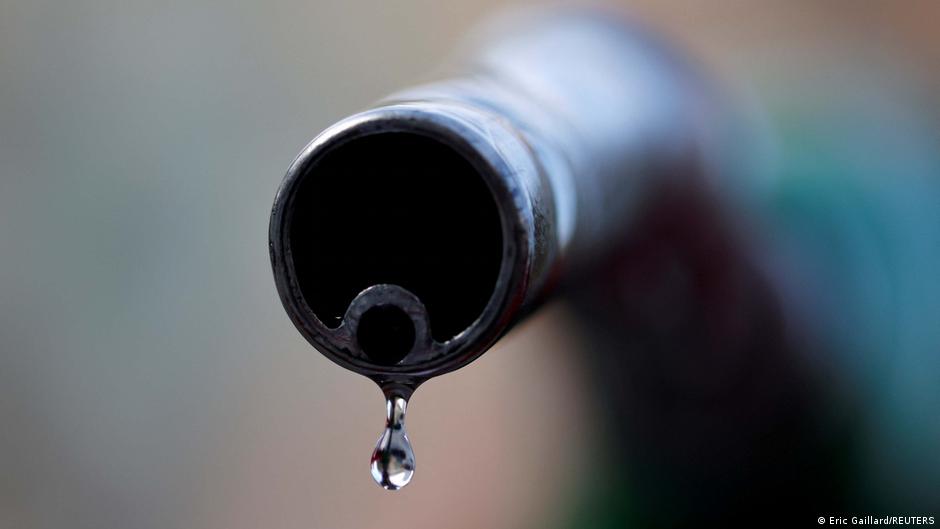
Russia faces a growing fuel supply crisis as a result of increased Ukrainian drone attacks targeting critical oil infrastructure, leading to significant operational slowdowns in the country’s oil refining sector. In response, Russian authorities have introduced restrictions on retail fuel sales in more than 50 regions to curb shortages and mitigate speculative behaviors.
Strategic Implications for Russia’s Oil Supply Chain
Since late May, Ukrainian drone strikes have intensified, targeting major Russian oil refineries and storage terminals. The attacks have forced many facilities, especially those in central Russia, to reduce or suspend operations, compounding existing logistical challenges for fuel distribution. According to Reuters, these disruptions have contributed to Russia’s lowest monthly crude oil production in a year as of May.
The operational impact cascades down the supply chain, notably affecting retail fuel availability. Several regional governments have implemented measures to limit the volume of fuel that can be purchased at service stations, aiming to prevent panic buying and speculative stockpiling.
"On June 23, Lukoil stations in Voronezh oblast introduced a cap of 30 liters per fill-up for gasoline and 60 liters for diesel, with higher limits on highways," reports indicate.
Similar purchase limits have been instituted in the Omsk region (40 liters gasoline, 80 liters diesel), the Irkutsk region, and the Saratov region, where authorities have prohibited sales exceeding 30 liters per vehicle from June 23 to June 30. Other regions affected include Amur, Tambov, Lipetsk, Tula, Tver, and Vladimir oblasts.
The widespread nature of these restrictions—enforced in 53 regions including annexed Ukrainian territories—reflects systemic pressure on Russia’s fuel distribution network. Regional governors have acknowledged the challenges, with some admitting that manual intervention in fuel logistics has become necessary under current conditions.
Corporate and Market Outlook
The situation poses significant operational and reputational challenges for Russian oil companies, such as Lukoil, which must balance demand management with customer service expectations amid supply constraints. The fuel sales caps may dampen retail sales volumes temporarily but are intended to stabilize availability and prevent sharp price increases caused by artificial shortages.
Longer-term, continued attacks on oil infrastructure risk undermining Russia’s strategic energy exports and domestic supply security, particularly as global energy markets remain volatile. The government’s interventionist approach underscores an acute awareness of the competitive and logistical vulnerabilities exposed by asymmetric warfare tactics.
Industry stakeholders will need to monitor the evolving security landscape and its ramifications on operational continuity, as well as anticipate potential shifts in corporate strategies and government policies aimed at safeguarding critical energy assets and market stability.