US Imposes New Sanctions on Cuba’s Key State-Owned Enterprises Controlling 40% of GDP
Washington targets five major Cuban state firms linked to military conglomerate GAESA amid escalating bilateral tensions.
The United States government has expanded its sanctions regime against Cuba by targeting five pivotal state-owned companies that collectively control approximately 40% of the island nation's GDP. This latest measure reflects a strategic escalation in US efforts to pressure the Cuban government, with significant implications for the country's economic structure and international business environment.
Sanctions Target GAESA-Linked Entities Amid Strategic Competition
On June 23, the US imposed fresh restrictions against five Cuban state enterprises, three of which are affiliated with Grupo de Administración Empresarial S.A. (GAESA), a formidable business conglomerate managed by Cuba's Revolutionary Armed Forces. GAESA's extensive portfolio spans various sectors, including import-export operations, foreign investment management, financial services, and raw steel production. As of 2024, GAESA reportedly controls liquid reserves amounting to $14.5 billion, underscoring its critical role in Cuba's economy.
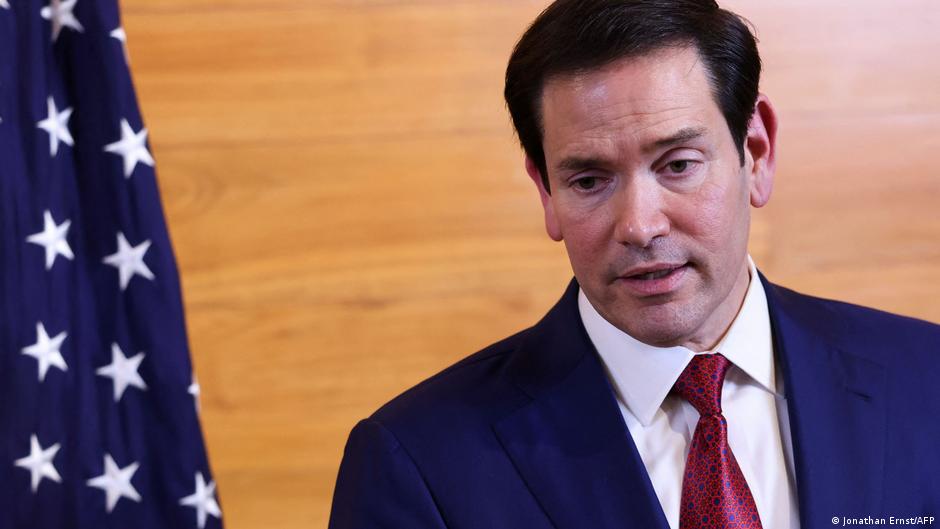
"The ruling Cuban regime leverages GAESA for personal enrichment, repression financing, espionage, and anti-American activities," stated US Secretary of State Marco Rubio.
Beyond GAESA, the sanctions also extend to the spouse of Alejandro Castro, head of Cuba's National Security Council and son of former leader Raúl Castro, signaling a targeted approach toward individuals linked to Cuba's political elite.
The US government views these sanctions as a means to disrupt the Cuban regime’s ability to fund activities deemed hostile to American interests. By sanctioning entities integral to the nation’s economic backbone, Washington aims to exert pressure on Havana's governance and military apparatus.
Cuban Government’s Response and Legal Ramifications
Cuba's Foreign Minister Bruno Rodríguez condemned the sanctions as "ruthless aggression and collective punishment," criticizing Secretary Rubio personally as "dishonest and deceitful." The Cuban government perceives the measures as an attempt to undermine its sovereignty and economic stability.
Concurrently, the US Supreme Court affirmed the right of American companies to seek compensation for assets nationalized by Fidel Castro’s government decades ago. This ruling notably enables ExxonMobil to pursue claims against Cuban entities operating refineries, oil terminals, and over 100 gas stations confiscated in the 1960s. Estimated compensation demands could reach up to $1 billion.
This legal development may empower US businesses with vested interests in Cuba to take formal action, potentially intensifying economic and diplomatic frictions. Analysts suggest the court's decision bolsters the Trump administration's hardline stance, signaling a continued tough approach toward Cuba.
Implications for Business and Geopolitical Landscape
The cumulative effect of these sanctions and legal rulings is likely to reshape the competitive and operational environment for both Cuban state enterprises and foreign investors. By constraining GAESA-linked businesses and facilitating litigation over expropriated assets, the US is strategically targeting the financial foundations of the Cuban government.
For multinational corporations and international investors, this heightened risk profile demands recalibrated engagement strategies when considering operations in or with Cuba. Moreover, the sanctions underscore the deepening geopolitical contest between Washington and Havana, with economic tools deployed as instruments of policy leverage.
In summary, the US’s expanded sanctions and supportive judicial decisions represent a calculated effort to weaken Cuba's state-controlled economic apparatus and challenge the ruling elite's fiscal mechanisms. These moves are poised to influence corporate strategies, cross-border investment flows, and the broader geopolitical dynamics in the Western Hemisphere.