Russian Maritime Oil Exports Reach Highest Level Since Early 2026 Amid Shifting Geopolitics
Russia's oil export volumes surged to a weekly peak in June 2026 despite intensifying competition from Iran following US sanctions relief.
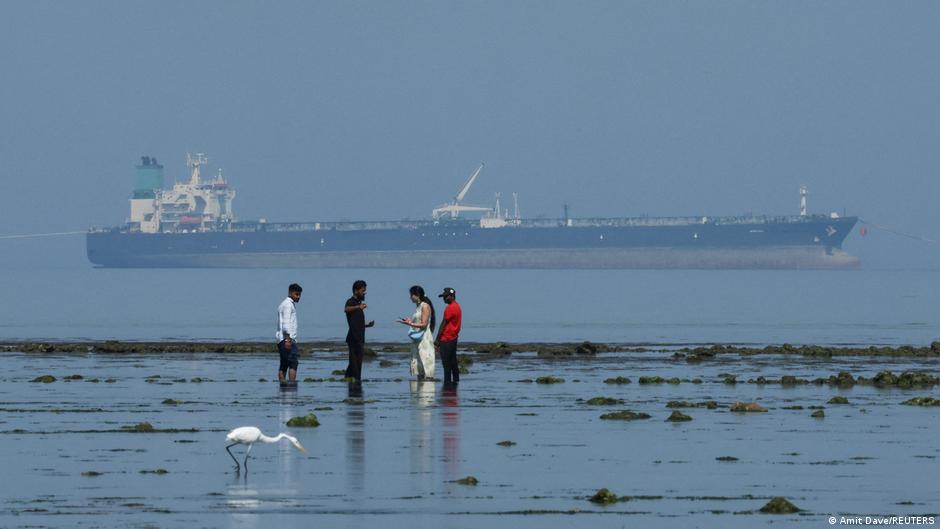
According to Bloomberg's recent analysis, Russia has significantly increased its maritime oil exports, reaching the highest weekly volume since early 2026. This growth occurs amid a complex geopolitical environment, where easing US sanctions on Iran has intensified competition between Moscow and Tehran for key markets such as India.
Record Export Volumes Despite Market Challenges
Between June 15 and June 21, a total of 38 tankers loaded approximately 28.79 million barrels of Russian crude oil, averaging 4.11 million barrels per day. Bloomberg estimates that this is the largest weekly export volume Russia has achieved since the start of 2026. Notably, these export levels have already surpassed the average annual export volumes recorded since the full-scale escalation of the Ukraine conflict.
Furthermore, Russian crude is actively en route to destination markets, signaling robust logistical operations rather than stockpiling or delays at sea.
"The sustained growth in Russian oil exports underscores Moscow’s strategic adjustments amid evolving geopolitical constraints and shifting demand dynamics."
Strategic Implications of US Sanctions Relief on Iran
The export surge was enabled by a temporary US waiver on sanctions targeting Russian oil shipments in transit at sea. This policy adjustment was motivated in part by efforts to mitigate the global fuel crisis exacerbated by the blockade of the Strait of Hormuz, a vital energy transit chokepoint, which was impacted by renewed tensions involving Iran.
The temporary sanctions relief was effective until June 17 and has not yet been extended. This expiration raises questions regarding Russia’s ability to maintain export momentum under ongoing geopolitical uncertainty.
Competitive Pressures and Market Pricing Dynamics
While export volumes have increased, Russia faces significant pricing challenges. The return of Iranian crude oil to global markets following a US-Iran memorandum restoring shipping lanes through the Strait of Hormuz has pressured oil prices downward by roughly 16% worldwide.
Market intelligence from Argus Media indicates that prices for Russian crude grades, notably Urals and ESPO, have declined by approximately 20% over the last week. Additionally, recent attacks by Ukrainian forces on Russian oil refineries may compel Moscow to export more raw crude instead of refining domestically, potentially exacerbating price declines.
Iranian crude’s re-entry into the market also threatens Russia’s share in key import markets, particularly India. To retain Indian buyers, Russia may need to offer deeper export discounts on its Urals grade, further impacting revenue streams.
These developments illustrate a delicate balancing act for Russian oil exporters, who must navigate logistical, geopolitical, and market pressures simultaneously.