U.S. Senate Confirms Jay Clayton as Director of National Intelligence Amid Bipartisan Concerns
Jay Clayton, former Southern District of New York prosecutor, approved as head of U.S. intelligence community despite limited experience in national security.
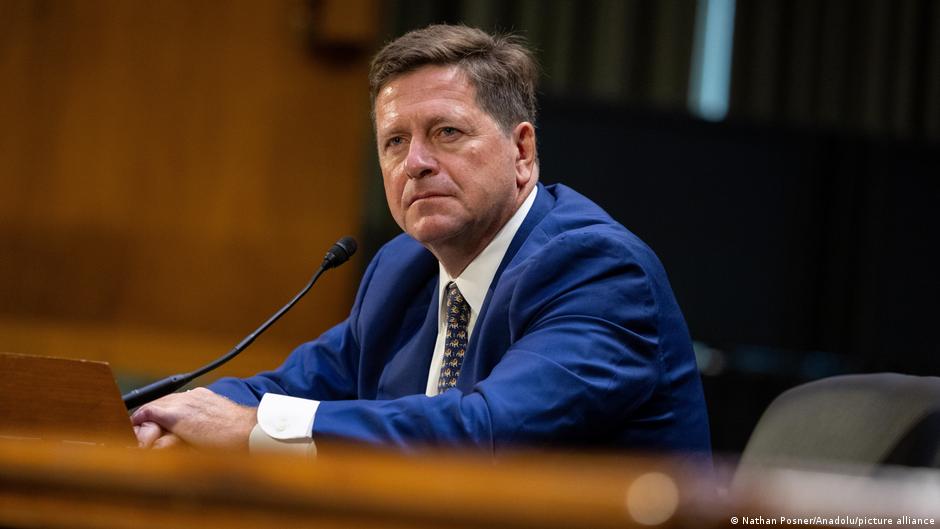
The U.S. Senate has confirmed Jay Clayton, former U.S. Attorney for the Southern District of New York, as the Director of National Intelligence (DNI) in a narrowly divided vote. Clayton secured 51 votes in favor and 47 against, with all Democrats opposing his appointment.
Clayton's confirmation on July 28 marks a significant leadership change for the U.S. intelligence community, which comprises 18 agencies including the Central Intelligence Agency (CIA), National Security Agency (NSA), and Defense Intelligence Agency (DIA). Despite his lack of direct experience in intelligence or national security, Clayton will oversee coordination across these key institutions.
Political Dynamics and Controversies Surrounding the Nomination
Initially, Democrats welcomed Clayton’s nomination as preferable to acting DNI William Poulter. However, their support eroded following Senate hearings where Clayton was repeatedly questioned about the legitimacy of the 2020 presidential election. Asked if Joe Biden was the rightful winner, Clayton avoided a direct affirmation, stating only that Biden was "recognized" as president. This equivocation was a point of contention given that then-President Donald Trump had repeatedly claimed, without evidence, that the election was fraudulent.
Democratic opposition centered on concerns about Clayton's political impartiality and lack of relevant expertise. Republicans largely supported the nominee, emphasizing his legal background and prior leadership roles, including his tenure as chairman of the Securities and Exchange Commission (SEC) and experience at the law firm Sullivan & Cromwell.
"Clayton’s appointment represents a strategic management decision that prioritizes legal and corporate governance expertise over traditional intelligence backgrounds," analysts note.
Clayton served as U.S. Attorney for the Southern District of New York from 2025, overseeing high-profile cases such as the investigation into former Venezuelan leader Nicolas Maduro's alleged drug trafficking activities. However, his professional history lacks direct engagement with intelligence operations or national security strategy.
Leadership Transition and Organizational Impact
Clayton replaces Tulsi Gabbard, who resigned in May citing personal reasons related to her husband's health. Following her departure, William Poulter, director of the Federal Housing Finance Agency, was appointed acting DNI. Poulter's appointment drew bipartisan criticism due to his absence of relevant experience and his controversial actions, including initiating transfers of materials potentially implicating political adversaries of President Trump and executing extensive staffing cuts.
Hours before Clayton’s confirmation vote, Poulter announced that staff reductions at the Office of the Director of National Intelligence (ODNI) would reach approximately 30 percent following the fifth wave of layoffs. These reductions have raised concerns about the intelligence community’s capacity to fulfill its mission effectively amid structural upheaval.
President Trump proposed Clayton's nomination in June, highlighting his successful tenure at the SEC and legal expertise. The administration appears to prioritize leadership with strong corporate governance experience in an era marked by increasing intersections between national security, corporate interests, and regulatory oversight.
Clayton’s appointment signals a notable shift in the strategic management of the U.S. intelligence apparatus, potentially redefining the balance between legal oversight, political considerations, and operational intelligence capabilities.