Ukraine Proposes National Pantheon and New Order Amid Diplomatic Strain with Poland
President Zelensky initiates creation of Ukrainian National Pantheon and 'Order of Europe' as tensions with Poland escalate over historical memory disputes.
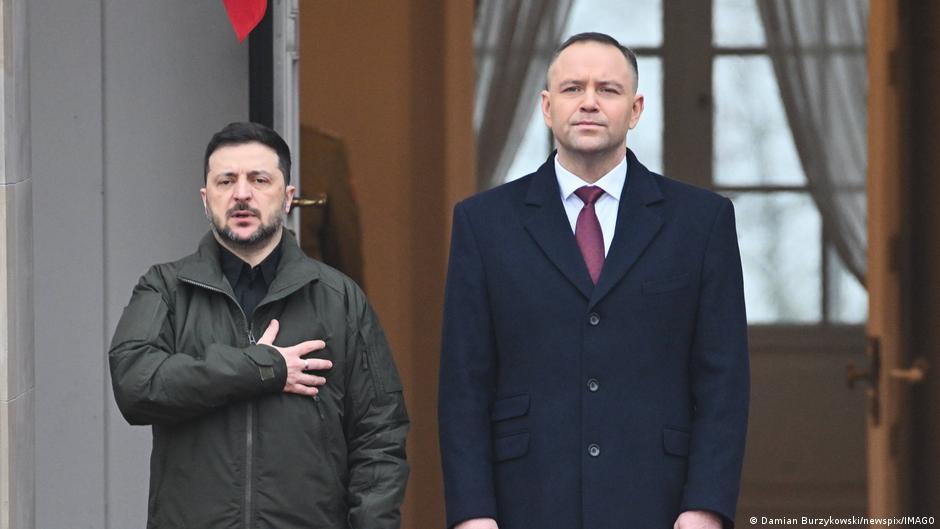
Ukrainian President Volodymyr Zelensky has put forward a dual initiative to establish a Ukrainian National Pantheon honoring historical figures who have fought for Ukraine's independence across centuries, alongside instituting a new state award called the "Order of Europe." These moves come amid heightened diplomatic tensions with Poland related to contentious historical interpretations and national honors.
National Pantheon and Order of Europe: Strategic Symbolism and Domestic Messaging
In a speech marking Ukraine’s Constitution Day on June 28, Zelensky outlined the purpose of the National Pantheon as a unified repository of heroic Ukrainian names, "written in our history with respect and attention from the state." He emphasized national sovereignty in cultural memory, stating, "No one will ever dictate how we live, speak, whom to love, whom to be grateful to, and which heroes to honor."
This initiative aims to consolidate national identity and historical narrative at a time when Ukraine seeks to reinforce its sovereignty and European integration efforts. The accompanying legislative proposal to create the "Order of Europe" is designed to recognize Ukrainians and foreigners contributing to Ukraine’s defense and European future, symbolizing Ukraine's commitment to EU accession and continental security.
Notably, while the EU itself does not possess an award titled "Order of Europe," the European Union bestows the "European Order of Merit," which Zelensky himself has received. The introduction of a similarly named Ukrainian award aims to underscore the country’s role as a frontline defender of European values amid ongoing conflict.
Complications in Ukraine-Poland Relations: Historical Narratives and Political Fallout
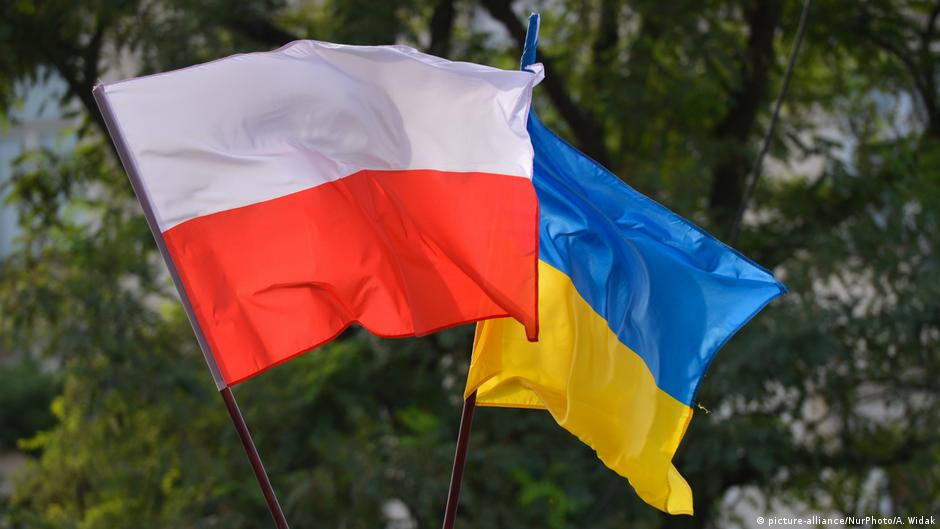
The announcement occurs against the backdrop of escalating diplomatic friction between Kyiv and Warsaw after Zelensky’s decision to name a Ukrainian Armed Forces unit after the Ukrainian Insurgent Army (UPA), a group whose legacy remains deeply polarizing. In Poland, the UPA is primarily associated with the Volhynian massacre during World War II, which Warsaw officially recognizes as genocide against Poles.
"The naming decision sparked harsh criticism in Poland, one of Ukraine’s main defense allies against Russia, exacerbating strains in bilateral relations."
In response, Polish President Karol Nawrocki revoked Ukraine’s highest Polish honor, the Order of the White Eagle, awarded to Zelensky. Zelensky’s retort highlighted inconsistencies in Poland’s past award revocations, citing examples such as Catherine II and Benito Mussolini.
Polish officials countered that the award is not rescinded posthumously and that Gerhard Schröder’s actions differ significantly, underscoring the sensitivity of the issue. Subsequently, several Ukrainian officials returned Polish state awards, and conversely, some Polish politicians, including Jarosław Kaczyński—the leader of the opposition Law and Justice party (PiS)—returned Ukrainian honors to Kyiv.
Kaczyński has also called on the Polish government to block Ukraine’s EU accession negotiations, reflecting a tactical political move ahead of Poland’s 2027 parliamentary elections. A mid-June poll indicates 58.3% of Poles harbor negative views of Zelensky’s attitude towards Poland, with only 30.1% holding favorable opinions. Meanwhile, President Nawrocki’s approval rating has reached a record 54.8% in Poland.
Implications for Ukraine’s Strategic Positioning
The establishment of the National Pantheon and the Order of Europe exemplifies Zelensky’s broader strategy to strengthen internal cohesion and project Ukraine’s European identity, even as external relationships face strain. These symbolic gestures serve both to galvanize domestic support and assert Ukraine’s autonomous cultural and political trajectory.
From a corporate and governance perspective, these moves reflect an assertive statecraft approach to national branding and the management of historical narratives, which are critical in sustaining Ukraine’s international partnerships and securing its strategic objectives.