Putin's Inner Circle Warned Against Internet Restrictions Amid Economic Concerns
Russia's elite increasingly question Putin's internet policies due to their economic impact and public discontent.

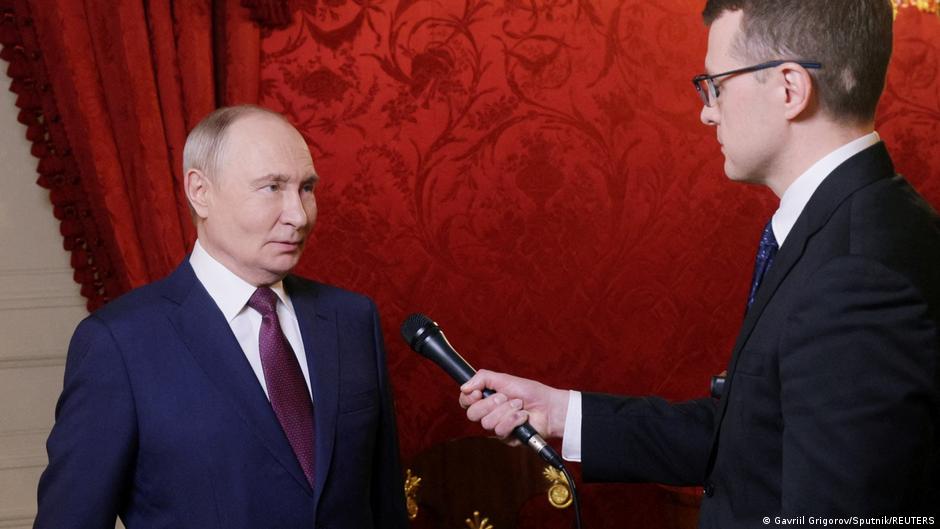
Senior officials within President Vladimir Putin's inner circle reportedly sought to dissuade him from imposing stricter internet restrictions in Russia, scheduled to intensify starting in 2025, according to a recent report. These measures, heavily enforced by security agencies, have sparked significant concern among Russia's political and business elites over their potential to cause large-scale economic damage and worsen public sentiment.
Elite Concerns Over Economic and Social Impact
Sources close to the Kremlin have revealed that key figures, including Press Secretary Dmitry Peskov and First Deputy Head of the Presidential Administration Sergey Kiriyenko, expressed reservations about the tightening of digital controls. Their warnings highlight the risks of extensive internet shutdowns and restrictions, which have already resulted in multibillion-dollar losses for Russian businesses.
"Among the elite, China's approach to internet control—which was once mocked as extreme censorship—is now regarded with a measure of envy," one insider stated.
This shift in perception underscores growing unease within Russia's power structures about the long-term consequences of isolating the country’s digital space, particularly as it pertains to economic competitiveness and societal stability.
Security Services Drive Restrictive Measures
Despite these internal objections, President Putin appears to prioritize the counsel of security and intelligence agencies amid the ongoing conflict in Ukraine. The Second Service of the Federal Security Service (FSB), which holds broad authority over internet regulation, has been credited with lobbying for the intensified restrictions beginning in 2025.
This agency has previously been linked to covert operations against opposition figures, highlighting the politicized nature of internet governance in Russia. The increasing role of security entities in digital policy reflects a strategic pivot towards information control as a tool for regime stability during wartime.
Broader Economic and Social Strains
These internet policies form part of a broader set of government actions that have stirred public discontent. The Russian populace is facing rising taxes, inflation, and controversial governmental measures such as mass livestock culling in Siberia. Together, these factors contribute to a growing sense of dissatisfaction with Putin’s leadership.
Notably, the stability of daily life—once a cornerstone of the implicit social contract allowing many Russians to overlook the war’s hardships—has been increasingly undermined. Surveys indicate that public happiness and trust in the president have reached historic lows since the onset of full-scale conflict, despite subsequent methodological changes in polling that have artificially inflated approval ratings.
Implications for Russia's Political and Economic Landscape
The divergence within Russia’s elite regarding internet control measures illustrates the complex balancing act facing the Kremlin. On one hand, the government seeks to maintain tight informational control to secure its political narrative and national security objectives. On the other, these policies risk exacerbating economic losses and alienating both business leaders and the wider population.
As Russia intensifies its digital isolation, the long-term impact on corporate strategies, foreign investment, and the broader business environment remains uncertain. The growing rift between the president’s closest advisors and security forces may signal emerging fault lines in governance that could influence future management decisions and the competitive landscape in Russia.