US Diplomatic Leadership in Ukraine Faces Uncertainty Amid Political Strains and Strategic Shifts
Julie Davis to leave as US chargé d’affaires in Kyiv amid tensions with Trump administration and evolving US-Ukraine support policy.
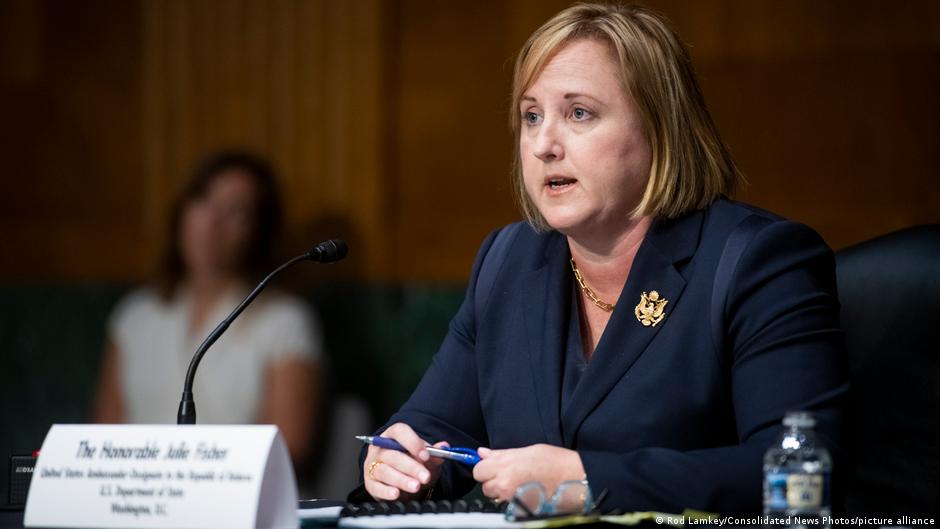
The US diplomatic mission in Ukraine is undergoing a significant transition with Julie Davis, the current chargé d’affaires, set to depart Kyiv in the coming weeks. According to reports, her decision stems from growing disagreements with the administration of President Donald Trump, who has notably scaled back US support for Ukraine since his return to office.
Davis has reportedly informed the US State Department of her intention to resign from diplomatic service, concluding a three-decade career. This leadership change occurs at a critical juncture as Russia prepares for a renewed offensive and peace negotiations have stalled, creating a strategic vacuum in US diplomatic engagement in Kyiv.
Context and Implications of Davis's Departure
Julie Davis’s departure raises questions about the continuity of US policy and diplomatic effectiveness in Ukraine amid shifting political dynamics in Washington. A State Department spokesperson dismissed claims that her resignation was due to conflicts with the Trump administration, emphasizing her consistent support for efforts to achieve lasting peace between Russia and Ukraine. Davis is expected to remain in her post until June 2026 before officially stepping down.
"She will continue to proudly carry out the policies of President Trump until her official departure," said State Department representative Tommy Piggott.
Nonetheless, the exit of a key diplomatic figure signals potential instability in US-Ukraine relations, especially given the recent resignation of Ambassador Bridget Brink in April 2025. Brink, appointed by former President Joe Biden, had been a steadfast advocate for military and economic assistance to Kyiv. Her departure followed reported tensions involving Trump, Vice President James David Vance, and Ukrainian President Volodymyr Zelensky during a White House meeting, after which Washington briefly suspended military aid and intelligence sharing with Ukraine.
Davis’s diplomatic career has also been marked by high-profile postings and challenges. Initially appointed US Ambassador to Belarus in 2021, she was denied accreditation by Minsk due to her support for Belarusian opposition figures, including Svetlana Tikhanovskaya. Subsequently, she served as the US Special Envoy for Belarus in Lithuania and later as Ambassador to Cyprus before assuming the temporary leadership role in Kyiv in May 2025.
The ongoing shifts in US diplomatic leadership highlight the complex interplay of international strategy, domestic political pressures, and the larger geopolitical contest surrounding Ukraine. The repeated turnovers in key diplomatic posts underscore potential vulnerabilities in the US’s ability to effectively support Ukraine amidst escalating tensions with Russia.
Strategic Analysis: Impact on US-Ukraine Relations and Regional Stability
The US administration’s recalibration of Ukraine policy, reflected in the reduction of support and diplomatic reshuffling, may have far-reaching consequences for the balance of power in Eastern Europe. The diminished US presence and influence could embolden Russian military initiatives and complicate efforts to mediate peace, while also testing the resilience of Ukraine’s government and military.
From a corporate and geopolitical strategy perspective, these developments may influence global markets and defense industry dynamics, given the ongoing conflict's impact on energy supplies, commodity exports, and regional security frameworks.