Moscow’s May 9 Victory Parade to Exclude Military Equipment Amid Operational Concerns
Russia cancels military vehicles from the traditional Victory Day parade, citing the current operational environment and regional security risks.
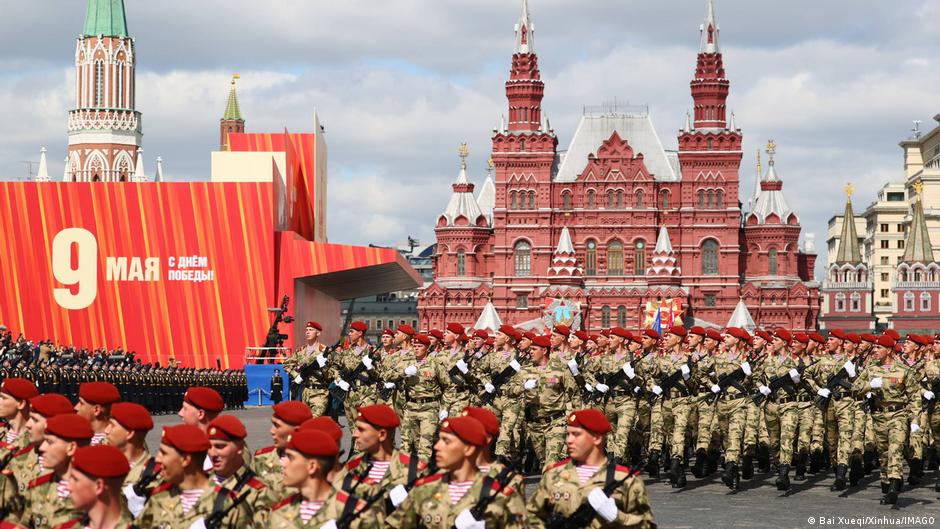
The annual Victory Day parade in Moscow on May 9, 2026, will notably exclude military hardware for the first time in many years, marking a significant shift in Russia’s symbolic and military display strategy. The Russian Ministry of Defense attributed this decision to the "current operational environment," signaling heightened security considerations amid ongoing conflict dynamics.
Strategic Implications of the Parade Format Change
Traditionally, the Victory Day parade on Red Square has showcased a range of military assets, including vehicles, personnel from Suvorov and Nakhimov military schools, and cadet corps. This year, none of the armored vehicles or military hardware will participate. The parade will, however, include combat aircraft, maintaining an aerial demonstration component.
Sources close to the Ministry of Defense and independent observers had anticipated a scaled-back event based on the absence of military vehicle rehearsals in late April, a departure from previous years’ preparations. Pro-war Telegram channels and analysts such as journalist Alexandra Prokopenko and political scientist Ekaterina Shulman had also reported on the possibility of a truncated parade format.
"The decision to exclude ground military equipment from the parade reflects deeper operational priorities rather than mere ceremonial considerations," analysts note.
Across Russia’s regions, authorities are canceling large-scale Victory Day celebrations. Cities such as Nizhny Novgorod, Saratov, Chuvashia, and Kaluga region will forego parades, and several oblasts including Voronezh, Kursk, Bryansk, and Belgorod have canceled traditional fireworks displays, citing security concerns.
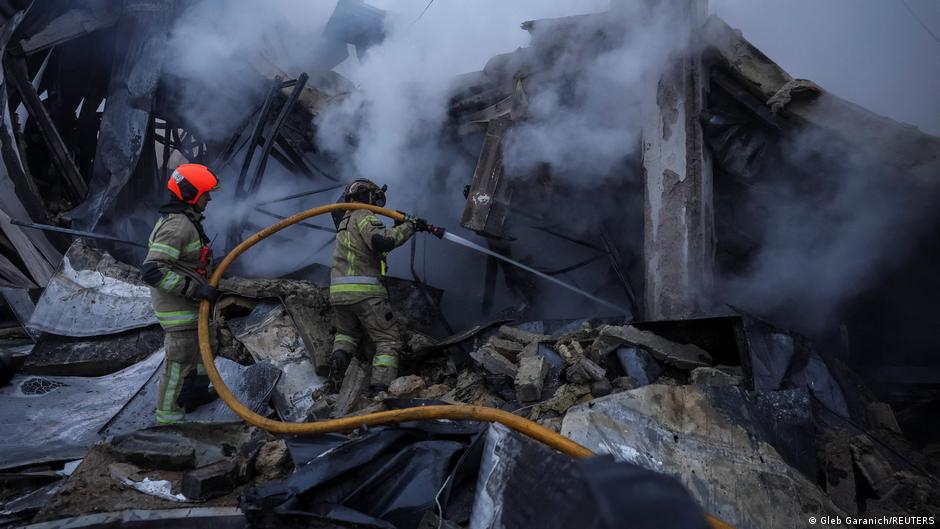
These cancellations and modifications follow a series of Ukrainian counterstrikes targeting critical Russian infrastructure, including Baltic Sea ports vital for oil exports and the Tuapse oil refinery. The increased threat perception has led Russian regional governments to prioritize public safety over mass commemorations.
Contextualizing the Shift in Military Display
Victory Day commemorates the Soviet Union’s triumph over Nazi Germany in World War II, a key date for Russia’s national identity and military pride. In 2025, the 80th anniversary was marked by a grand parade featuring over 10,000 troops—including contingents from North Korea—and around 200 vehicles, representing both historical and modern military technology.
That event also attracted significant international attention, with attendance by Chinese President Xi Jinping, leaders from former Soviet republics, and representatives from several countries outside the Western bloc. The presence of Slovak Prime Minister Robert Fico was a notable exception from the European Union and NATO membership.
President Vladimir Putin has historically framed the Victory Day narrative as a parallel to contemporary military engagements, equating Russia’s ongoing conflict in Ukraine with the Soviet struggle against Nazi Germany. The 2025 parade was a platform to reinforce this messaging.
The consistent inclusion of military vehicles since 2008 has been both a display of Russia’s defense capabilities and a strategic signal. The 2026 parade’s deviation from this practice may signal a recalibration of military messaging and internal security priorities amid ongoing geopolitical and battlefield pressures.
By removing ground military equipment from the parade, Russia may be attempting to mitigate risks of targeted attacks on high-profile events, reduce logistical vulnerabilities, or adapt its public military demonstration to the realities of current operational challenges.
As the Victory Day parade remains a key event for projecting national strength and military history, this year’s format may indicate a more cautious stance by Russian leadership, reflecting both external threats and the evolving security landscape within the country.