Bulgaria to Veto New EU Sanctions Against Russia Citing Economic Risks and Strategic Concerns
Bulgarian Prime Minister Rumen Radev announces veto over proposed EU sanctions, highlighting threats to national oil industry and supply chains.
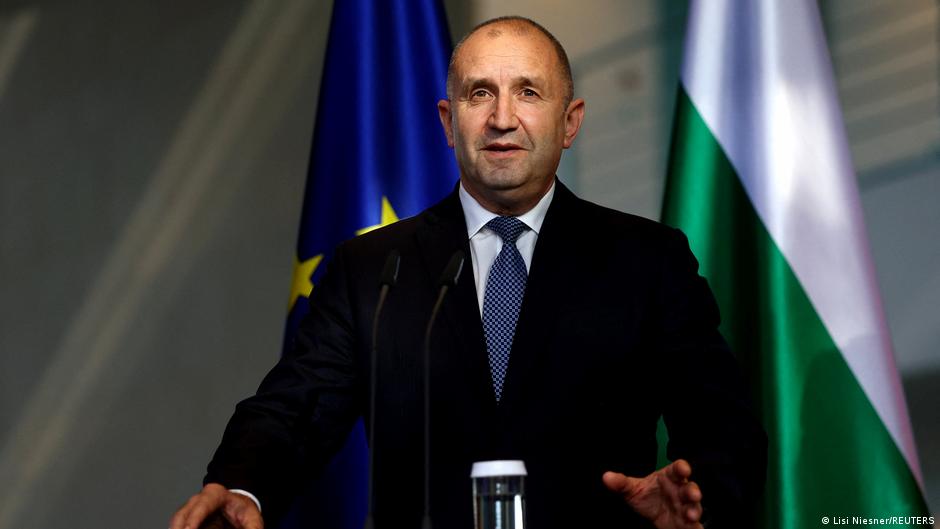
On June 18, Bulgarian Prime Minister Rumen Radev declared that Sofia intends to veto the European Union's latest package of sanctions against Russia. The decision reflects Bulgaria's strategic concerns over potential negative impacts on its economy and key industries.
Radev emphasized that the new punitive measures could severely affect the activities of Lukoil, a major player in Bulgaria's energy sector. “There is a significant risk for Lukoil's operations. We want the company to be excluded from the sanctions list,” the Prime Minister stated prior to the EU summit in Brussels. Lukoil operates the only oil refinery in Bulgaria, located in Burgas, and is one of the country's largest fuel retailers.
Beyond the energy sector, Radev expressed worries about disruptions to the supply of spare parts for Sofia's metro system and fertilizer imports, both critical to Bulgaria's infrastructure and agriculture. He questioned the efficacy of sanctions in achieving peace, stating, “How have these sanctions stopped the war so far? And how have they helped establish peace?”
“We want to protect our economy and ensure the stability of essential services amid geopolitical tensions,” Radev noted, underscoring his government's balancing act between EU alignment and national interests.
Strategic Implications for Bulgaria’s Corporate and Economic Landscape
Bulgaria's resistance to the sanctions package highlights the complex interplay between EU policies and individual member states' economic dependencies. The inclusion of Lukoil and its subsidiaries in the sanctions list could jeopardize Bulgaria's oil supply chain and industrial stability. Given Lukoil’s dominant position in fuel retail and refining, exclusion from sanctions is critical to avoid significant market disruptions and potential energy shortages.
Furthermore, the sanctions target multiple Russian and foreign firms connected to the military-industrial complex and oil exports, including entities operating in Turkey, the UAE, Azerbaijan, Liberia, and Hong Kong. This broad scope creates ripple effects across supply chains and complicates compliance for Bulgarian companies engaged in regional trade.
The sanctions also extend to individuals tied to Russian political and religious leadership, such as Patriarch Kirill of the Russian Orthodox Church and media figures close to the Kremlin. Bulgaria's opposition to sanctions against Kirill signals a divergence in the bloc’s approach to cultural and religious dimensions of geopolitical conflict, reflecting Sofia’s sensitivity to domestic and regional sentiments.
Despite the veto threat, Radev affirmed Bulgaria’s support for Ukraine’s EU accession negotiations, illustrating Sofia’s nuanced position that balances solidarity with strategic economic considerations.
As the EU proceeds with its sanctions regime, Bulgaria’s stance raises important questions about the cohesion and uniformity of policy enforcement within the Union, especially when economic interests and political alliances vary widely among member states.