US Implements Permanent Visa Bond Requirement for Citizens of 50 Countries Including Key Emerging Markets
The US State Department introduces a permanent visa bond of up to $20,000 to curb visa misuse among citizens from 50 countries, excluding Russia.
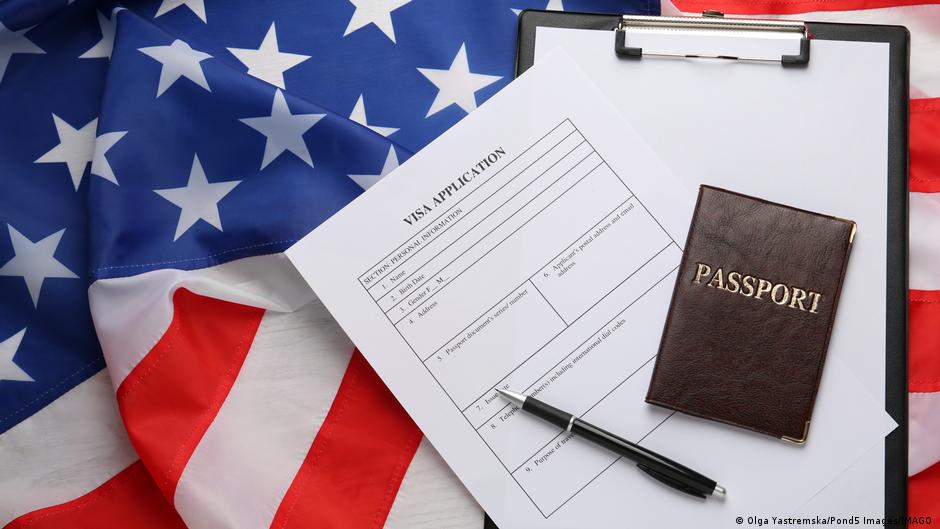
Starting August 3, the United States will require citizens from 50 countries to pay a visa bond of up to $20,000 when applying for business or tourist visas (B-1/B-2). This policy, announced by the US State Department on July 31, follows a pilot program deemed successful in reducing visa overstays and misuse.
Strategic Rationale Behind the Visa Bond
The permanent visa bond aims to address frequent violations of visa conditions among applicants from selected countries. The bond amount is determined on a case-by-case basis by consular officers. If the visa holder adheres to the terms—departing the US on time, not using the visa improperly, or being denied entry—the bond is fully refunded. However, any breach of visa conditions results in forfeiture of the bond.
The list includes countries such as Georgia, Kyrgyzstan, Tajikistan, Turkmenistan, Algeria, Angola, Bangladesh, Cambodia, the Central African Republic, Mongolia, Nepal, Nicaragua, Tunisia, Uganda, Venezuela, Zimbabwe, and other nations across Africa, Southeast Asia, and Latin America. Notably, Russia is excluded from this list.
According to the State Department, these countries were selected due to comparatively higher rates of visa violations. The bond mechanism serves as a financial deterrent against overstaying and unjustified visa usage, thereby aiming to tighten US border security and immigration compliance without broadly restricting visa access.
"The visa bond requirement is a targeted, risk-based approach to reducing visa misuse while maintaining legitimate travel and business ties with key emerging markets," stated a State Department spokesperson.
Impact and Business Implications
The pilot program, which previously set bonds between $5,000 and $15,000, demonstrated clear effectiveness. During its first ten months, visa overstays among individuals from the targeted countries dropped dramatically, with fewer than 50 recorded cases compared to 45,500 overruns in the prior fiscal year. Simultaneously, visa issuance to citizens of these countries decreased by 83%, signaling a more stringent screening and selection process.
Removing the minimum $5,000 bond threshold and raising the maximum to $20,000 increases financial accountability for applicants, which could influence travel and investment decisions. Businesses from these countries engaging with the US may face higher upfront costs and administrative hurdles, affecting bilateral commercial activities and diaspora connections.
However, experts suggest that this approach allows the US government to balance immigration control with maintaining strategic partnerships. The selective application of the bond requirement avoids blanket restrictions on entire regions, focusing instead on measurable risk factors.
This policy shift also underscores evolving US immigration enforcement strategies that rely more on financial guarantees and risk assessment models. It may prompt similar measures in other visa categories or adjustments in consular processing globally.
Conclusion
The permanent visa bond requirement represents a calculated response by the US to reduce visa fraud and overstays among selected countries with historically higher non-compliance rates. While it imposes additional costs and procedural steps for applicants, it provides a mechanism to safeguard immigration integrity without wholesale travel bans. Businesses and individuals from affected countries will need to adapt to the new financial commitments and plan visa applications accordingly.