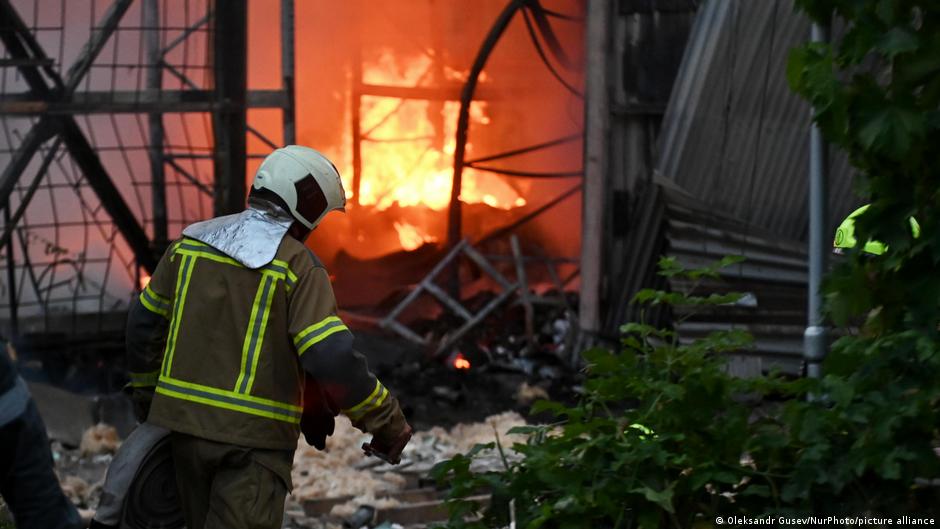
Strategic Implications of the Draining of Belgorod Reservoir Following Ukrainian Strikes
The Belgorod Reservoir has significantly depleted due to uncontrolled water release after multiple Ukrainian attacks on its dam in 2026.
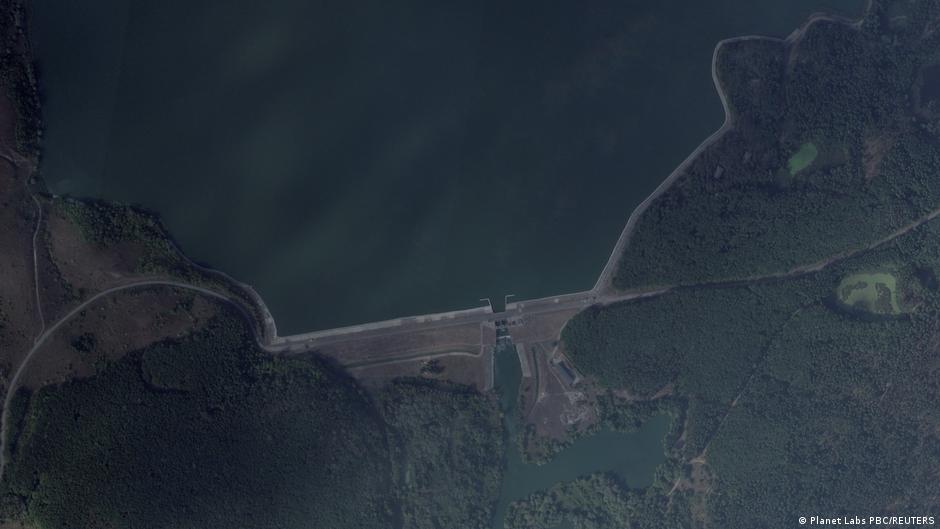
In July 2026, the Belgorod Reservoir in Russia experienced a critical reduction in water levels following targeted strikes by Ukrainian forces on the dam infrastructure. The attacks resulted in an uncontrolled release of water, which has since led to a significant depletion of the reservoir, with current depths ranging between 10 and 40 centimeters according to local observers.
Operational Challenges and Regional Impact
Local Telegram channels reported on August 2 that authorities in the Belgorod region managed to halt the uncontrolled discharge from the dam, but by that point, the reservoir had already receded to the historic riverbed of the Seversky Donets River. Visual evidence including photos and videos substantiates this dramatic drop in water levels.
"The current depth varies from 10 to 40 centimeters, indicating a critical depletion not seen in recent history," noted Belgorod urbanist Vladimir Titov.
The reservoir's reduction poses strategic and economic challenges. Historically, the Belgorod Reservoir has served multiple purposes including water supply for municipal and industrial use, irrigation, and maintaining regional ecological balance. The sudden lowering of water levels disrupts these functions, potentially affecting agricultural productivity and industrial operations reliant on stable water access.
Contextualizing the Military Attacks and Infrastructure Vulnerability
In July 2026, Ukraine carried out two missile strikes targeting the dam near the villages of Bezlyudovka and Grafovka in the Shebekino district. These strikes triggered intense and uncontrolled water discharge. This incident is part of a series of attacks dating back to October 2025, when Ukrainian missiles and drones previously damaged the reservoir's hydraulic structures, resulting in water release and exposing vulnerabilities in the infrastructure’s resilience.
From a corporate and regional management perspective, the recurring damage to critical water infrastructure intensifies the urgency for enhanced security measures and infrastructure modernization. The repeated strikes underline the reservoir’s strategic significance and the risk exposure of regional water management assets to military conflict scenarios.
Strategic and Economic Considerations for Regional Authorities
The Belgorod regional authorities face immediate and long-term challenges, including restoring the dam’s structural integrity, managing water resource shortages, and mitigating socio-economic consequences. Efficient crisis management and strategic investments will be crucial to restore normal operations and safeguard against future disruptions.
Moreover, these developments may influence broader regional water management policies and corporate strategies of businesses dependent on the reservoir. Firms operating in sectors such as agriculture, manufacturing, and utilities may need to reassess risk mitigation strategies and supply chain dependencies linked to water availability.
Looking Ahead: Mitigation and Infrastructure Resilience
Moving forward, there is a pronounced need for coordinated efforts between regional governments, infrastructure operators, and security agencies to bolster the resilience of critical water infrastructure. This includes deploying advanced monitoring technologies, reinforcing physical structures, and developing contingency plans to minimize operational disruptions in conflict situations.
In summary, the depletion of the Belgorod Reservoir following Ukrainian military strikes highlights the intersection of geopolitical conflict and critical infrastructure vulnerabilities, demanding a strategic response that integrates security, infrastructure management, and economic resilience.