US Initiates New Negotiation Phase with Iran Amid Strategic Military Restraint
President Trump announces resumption of talks with Iran on August 3, highlighting diplomatic efforts over military action.
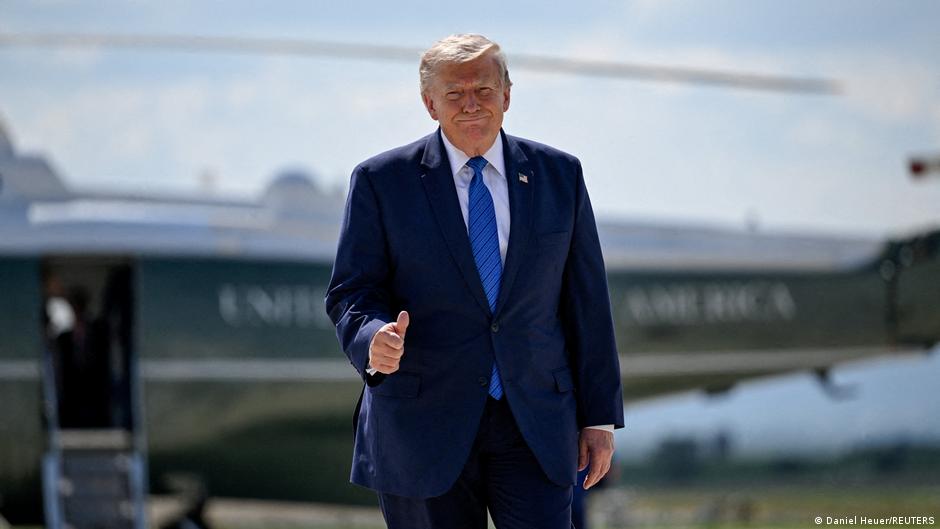
President Donald Trump has announced a new phase of negotiations between the United States and Iran scheduled to commence on Monday, August 3. This development signals a strategic shift from immediate military confrontation toward diplomatic engagement, with the White House postponing planned military strikes against Tehran.
Strategic Calculations Behind Postponement of Military Action
Speaking aboard Air Force One, Trump explained that the decision to halt further attacks was motivated by the desire to pursue a diplomatic solution to the ongoing conflict. "This will save many lives," he emphasized. The prospective deal discussed during these negotiations is expected to address critical issues including the security of the Strait of Hormuz and Iran's nuclear program.
"I would prefer to make a deal. I don't like killing people," President Trump remarked, underscoring a preference for negotiation over military escalation while maintaining the option of force if necessary.
Despite the pause in strikes, Trump affirmed that Washington retains the capability to launch new attacks if circumstances demand it. The president revealed that the U.S. had prepared a show of military strength unprecedented since World War II, reflecting a peak level of readiness designed to pressure Tehran into compliance.
Nevertheless, these planned strikes were deferred in light of appeals from Iran itself along with key Middle Eastern nations, indicating a complex regional diplomacy at play. The decision to prioritize negotiation over military action is positioned as a move benefiting global stability and future peace prospects.
Context and Implications for Corporate and Geopolitical Landscapes
This diplomatic pivot follows the signing of a "memorandum of understanding" in June 2026 between Washington and Tehran, which called for a 60-day ceasefire and the initiation of talks. Despite this, the U.S. resumed targeted strikes, accusing Iran of violating the ceasefire, including a significant attack on July 30 targeting multiple Islamic Revolutionary Guard Corps (IRGC) facilities.
The recent military actions, including strikes on command centers and missile launch sites, as well as collateral damage affecting civilian areas such as a residential quarter on Qeshm Island resulting in fatalities, underscore the volatile security environment. These events have considerable implications for regional stability, impacting global energy markets given the strategic importance of the Strait of Hormuz.
For businesses and investors, the evolving U.S.-Iran dynamics merit close attention. The potential for renewed negotiations offers a pathway to de-escalation, which could stabilize energy supplies and reduce geopolitical risk premiums. Conversely, the retention of a military option sustains an element of uncertainty that could influence corporate strategies, particularly in sectors related to energy, defense, and international trade.
Market participants should monitor negotiation outcomes closely, as any agreement involving nuclear program constraints and regional security assurances could reshape investment climates and facilitate new avenues for economic engagement with Iran and its neighbors.