France Tightens Visa Issuance Rules for Russian Nationals Amid EU-Wide Restrictions
France joins Italy, Spain, and Hungary in imposing stricter visa procedures for Russian applicants effective July 15.
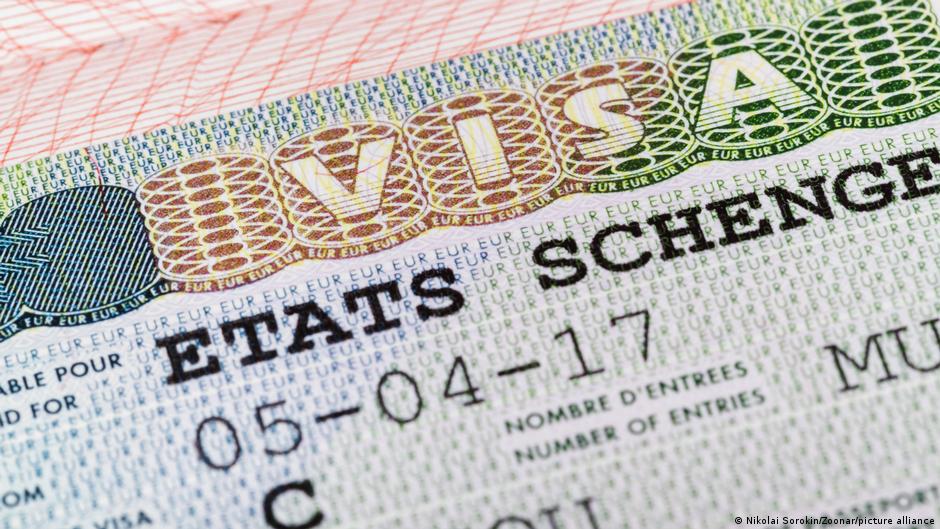
Following Italy, Spain, and Hungary, France has announced tighter regulations on issuing Schengen visas to Russian citizens. Starting July 15, 2024, the French Visa Application Center in Moscow will no longer accept visa applications through notarized powers of attorney, requiring applicants to submit their documents in person or through close relatives.
Impact on Russian Visa Applicants and Business Travel
France is the fourth European Union country to implement more stringent visa policies for Russian nationals within recent days, reflecting a broader shift in the EU's approach amid geopolitical tensions and increased security concerns.
The new rules restrict submission of visa applications strictly to the applicant themselves, parents or legal guardians for minors under 18, and close family members including spouses, children, and parents. In cases where close relatives submit applications, they must provide original documents proving the familial relationship. Furthermore, biometric data collection procedures must have been completed by the applicant within the past 59 months before applying for the visa.
Applicants aged over 12 are required to provide biometric data, and the visa application form must be personally signed by the applicant. This eliminates the previous practice of submitting applications via notarized authorization, adding procedural complexity and potentially causing delays.
"The prohibition of submissions via notarized powers of attorney and the biometric data requirements are designed to increase security but also pose challenges for business travelers and families," said an industry analyst.
These changes come amid reports of extended processing times at other EU consulates in Russia: the Italian visa center in Moscow has seen Schengen visa processing times increase to 60 days, while Spain's has risen to 45 days. Additionally, Hungary has suspended visa application acceptance in several Russian cities, including Samara, Ufa, and Kazan.
For corporate entities and international businesses relying on travel between Russia and the EU, these developments complicate logistics and planning. The stricter requirements and longer processing periods may impact business operations, especially for sectors requiring frequent cross-border movement such as trade, technology collaboration, and tourism.
Companies with Russian operations or clients should anticipate these procedural hurdles and adjust their travel strategies accordingly, possibly seeking earlier visa application submissions or alternative travel routes.