EU Halves Duty-Free Steel Import Quota to Protect Domestic Industry
The European Union reduces duty-free steel imports by 47% and imposes a 50% tariff on excess to shield its steel sector from global oversupply.
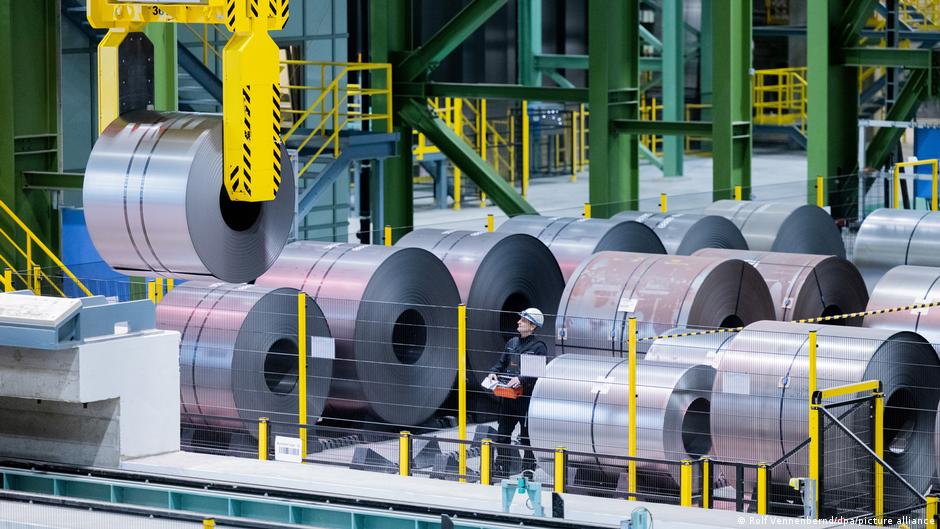
On July 1, the European Union implemented significant new restrictions on steel imports, substantially reducing the duty-free import quota and increasing tariffs on imports exceeding that quota. This move is designed to protect the EU’s steel industry amid global market pressures and concerns about unfair competition.
Strategic Shift in EU Steel Import Policy
The EU has cut the volume of duty-free steel imports to 18.3 million tonnes annually, representing a nearly 47% reduction from previous levels. Steel imports exceeding this quota will now be subject to a 50% tariff, doubling the previous surcharge. These changes are intended to curb the influx of cheap steel flooding the European market and support domestic producers.
Germany, holding the largest steel production capacity within the EU at approximately 34 million tonnes annually, stands to be the primary beneficiary of this policy shift. Allocated quotas have been established for duty-free steel imports from individual third countries, and any unused quotas can be carried forward to subsequent quarters, allowing for some flexibility in import planning.
"The EU’s tightened import regime aims to prevent mass imports of cheap steel while sustaining the competitiveness of its domestic industry," analysts note.
Context: Global Steel Production and Market Dynamics
According to the World Steel Association (Worldsteel), China’s steel production reached approximately 961 million tonnes in 2025, accounting for more than half of the world’s output. This massive production scale has contributed to a global oversupply of steel, exerting downward pressure on prices and challenging producers in other regions.
The EU has explicitly criticized China for leveraging state support mechanisms to subsidize its steel industry, which, the EU argues, distorts global competition and results in excess steel being dumped on international markets. These protective measures reflect broader geopolitical and economic tensions surrounding trade fairness and industrial policy.
Implications for Corporate Strategy and Market Competition
For EU steel producers and downstream industries, the new import restrictions provide a more stable market environment, potentially improving pricing power and profitability. However, importers and manufacturers reliant on cheaper foreign steel may face higher input costs, which could impact supply chains and pricing strategies across multiple sectors.
From a strategic standpoint, companies within the EU steel sector must assess how quota allocations and tariff structures influence their sourcing and production decisions. Additionally, firms with global supply chains might need to navigate increased complexity and risk due to these regulatory changes.
Overall, the European Commission’s policy adjustment represents a calculated response to protect strategic domestic industries amid increasingly competitive global markets, signaling a shift toward more assertive industrial and trade policies within the bloc.