US Mediates Ceasefire Agreement Between Israel and Lebanon Amid Regional Conflict
Israel and Lebanon, facilitated by the US, agree to ceasefire contingent on Hezbollah withdrawal and upcoming direct talks.
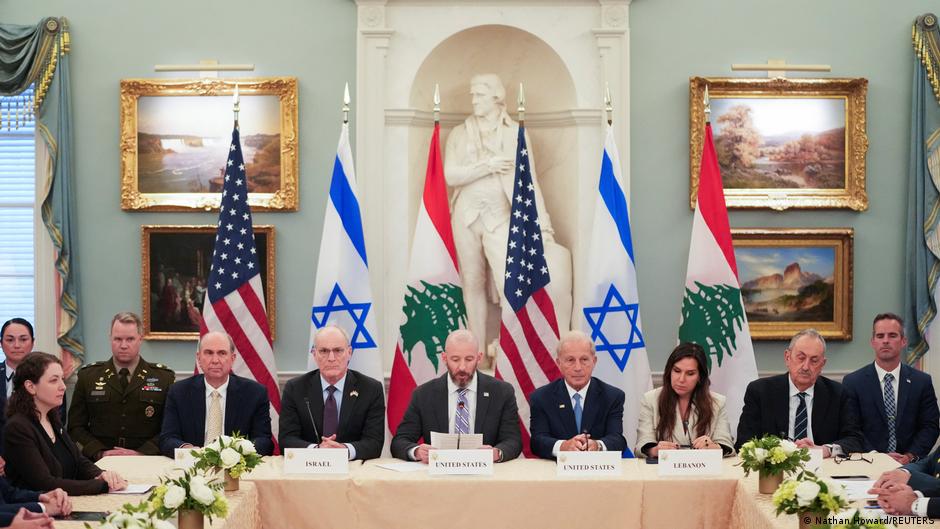
Israel and Lebanon have reached a ceasefire agreement brokered by the United States, marking a critical development in the ongoing regional conflict. The US Department of State announced the tripartite agreement on June 3, following intense negotiations held in Washington over two days involving Israeli and Lebanese representatives.
Key Terms and Strategic Implications of the Ceasefire
"The ceasefire depends on Hezbollah’s complete cessation of hostilities and the withdrawal of its fighters from the area south of the Litani River," the US State Department stated.
The agreement conditions include a full halt to fire from the Lebanese militant group Hezbollah and the removal of its forces from the southern sector adjacent to the Litani River. Additionally, the accord stipulates the establishment of pilot zones under exclusive control of the Lebanese Army, signaling efforts to reinforce state authority in contested regions.
The ceasefire represents a strategic pivot in the volatile Israeli-Lebanese relationship, especially as both nations prepare to resume direct negotiations in the week beginning June 22. These talks aim to achieve a comprehensive agreement to address unresolved issues that have fueled hostilities and instability.
Contextual Background and Conflict Dynamics
The recent escalation was triggered by the broader conflict involving the US, Israel, and Iran. Since March, Hezbollah renewed rocket attacks on Israel following the assassination of Iran’s Supreme Leader Ayatollah Ali Khamenei by joint US-Israeli operations. Israel responded with extensive airstrikes, including on Beirut, and initiated a ground offensive south of the Litani River to create a buffer zone along its border.
This confrontation has resulted in significant casualties. According to Lebanon’s Ministry of Health, approximately 2,200 deaths—including many women and children—have been reported due to fighting and bombings. The Israeli military estimates over 1,700 Hezbollah fighters killed since March. The true civilian death toll remains uncertain, underscoring the humanitarian crisis amid ongoing hostilities.
US Diplomatic Engagement and Political Repercussions
US diplomatic efforts intensified with the first direct Israeli-Lebanese ambassadorial talks since 1993, held in Washington on April 14. Shortly thereafter, then-President Donald Trump announced a ceasefire with Hezbollah as of April 16. Despite a subsequent 45-day extension of the truce, sporadic exchanges of fire persisted.
On June 1, reports surfaced that President Trump reprimanded Israeli Prime Minister Benjamin Netanyahu over Israeli strikes in Beirut's southern suburbs, which complicated US-led negotiations. Following these strikes, Iran declared a suspension of talks with Washington aimed at ending the wider conflict.
Nevertheless, President Trump denied that negotiations had ceased, emphasizing their continuation at "rapid pace." He communicated via the Truth Social platform that the ceasefire with Israel and Lebanon was secured through his mediation, ensuring ongoing diplomatic dialogue.
Business and Strategic Implications
The ceasefire and upcoming negotiations carry significant implications for regional stability, impacting business confidence and investor sentiment in the Middle East. The reinforcement of Lebanese state control over southern border areas may alter the power balance, potentially affecting Hezbollah's influence and the security environment for multinational corporations operating in the region.
Moreover, the US role as mediator highlights the intersection of geopolitical strategy and diplomacy in shaping conflict outcomes. For stakeholders in defense, energy, and infrastructure sectors, the evolving ceasefire framework and political developments warrant close monitoring to assess risks and opportunities linked to regional security dynamics.