Global Oil Reserves Decline at Record Pace Amid Middle East Conflict and Market Disruptions
World oil stockpiles fell by 200 million barrels in April despite demand drop, signaling tightening supply and potential price increases.
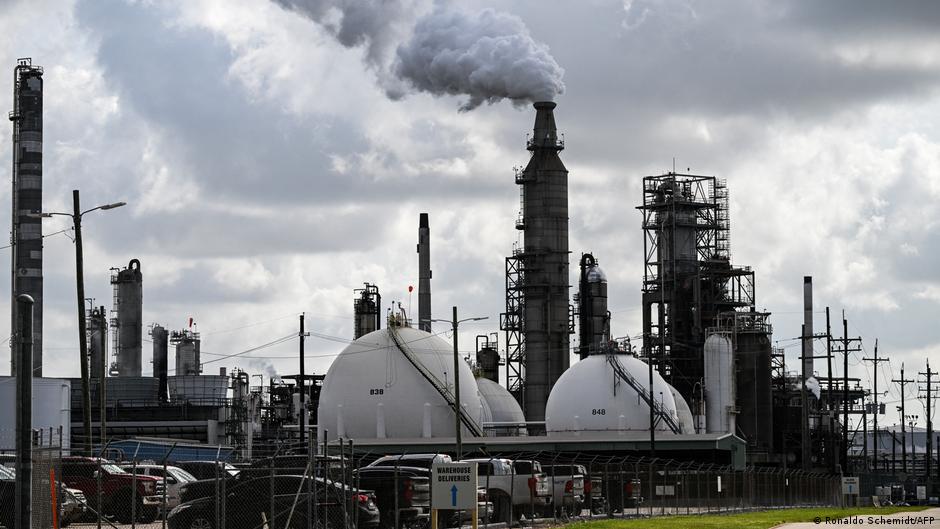
Global oil reserves experienced an unprecedented decline in April, shrinking by 200 million barrels despite a significant decrease in demand. This sharp reduction comes amid escalating geopolitical tensions in the Middle East, particularly the ongoing conflict involving the United States, Israel, and Iran, which has disrupted supply chains and introduced considerable uncertainty into the oil markets.
Record Drawdown Highlights Supply Vulnerabilities
According to recent analyses from S&P Global Energy and Goldman Sachs, oil inventories worldwide contracted by approximately 6.6 million barrels per day in April. Remarkably, this drawdown occurred despite a concurrent 5 million barrel per day drop in global oil demand — the second-largest demand reduction ever recorded, trailing only the decline witnessed during the COVID-19 pandemic.
"These are massive scales that far exceed the normal range," said Jim Burkhard, head of oil market research at S&P Global Energy. "The market has yet to fully react to these record levels of inventory depletion, so further oil price increases are likely ahead."
Goldman Sachs concurs with this assessment, noting that global oil stocks are approaching their lowest levels in eight years. The situation is further exacerbated by regional supply constraints, especially in Northern Europe where aviation fuel reserves have fallen to a six-year low, according to Argus agency data.
Geopolitical Conflict and Supply Chain Disruptions
The ongoing war in the Middle East, compounded by blockades of the strategically critical Strait of Hormuz, has resulted in a shortfall of approximately 1 billion barrels of oil from the market since hostilities began. This supply gap is placing considerable strain on global inventories.
While Asian countries have felt the immediate impact of these shortages, the United States is also facing challenges. There is growing concern that gasoline stocks in the US could fall to historic lows during the upcoming peak summer travel season, potentially affecting consumer prices and supply stability.
It is important to contextualize these declines within the broader global oil storage framework. Total commercial oil inventories are estimated at around 4 billion barrels; however, a significant proportion of this volume is tied up in operational processes critical to refinery throughput and pipeline transport, limiting the flexibility available to offset supply disruptions.
Strategic Implications for Energy Markets and Corporate Players
The rapid depletion of global oil reserves amidst geopolitical volatility highlights the fragility of current supply chains and underscores the importance of strategic inventory management for energy companies. Firms operating in this space must navigate complex market dynamics, balancing production decisions, inventory positioning, and risk management to maintain competitiveness.
Moreover, these developments may accelerate merger and acquisition activity as companies seek to consolidate assets, diversify supply sources, and build resilience against future shocks. Investment strategies may increasingly focus on securing upstream assets in geopolitically stable regions, as well as expanding refining and storage capacities to buffer against supply fluctuations.
In conclusion, the record drawdown of oil reserves in April, driven by geopolitical conflicts and constrained supply channels, presents a challenging landscape for energy sector stakeholders. Market participants should prepare for sustained price volatility and reassess their strategic positioning to navigate an environment marked by heightened uncertainty and tightening supply.