Fuel Prices in Crimea Surge Nearly Twofold Amid Russia’s Domestic Supply Crisis
In July’s first week, gasoline prices in annexed Crimea jumped by over 78%, driven by local shortages and Russia’s tightening export restrictions.
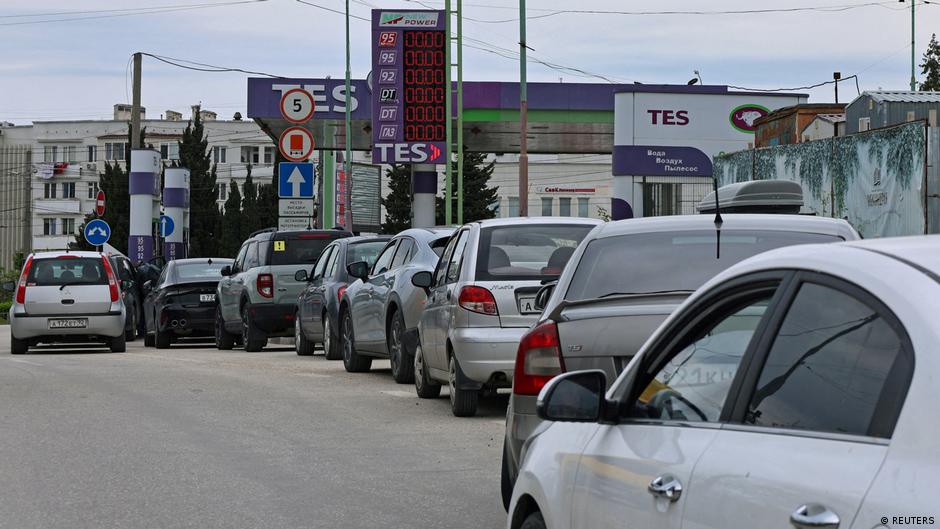
Fuel prices in the annexed territory of Crimea have surged dramatically, reflecting a broader crisis in Russia's domestic petroleum supply. According to recent data from the Russian Federal State Statistics Service (Rosstat), the average price of gasoline in Crimea jumped 78.4% during the first week of July 2026. Notably, prices for the widely used AI-95 grade gasoline nearly doubled, rising 92% from 88.82 to 170.59 rubles per liter.
Underlying Factors Behind the Price Spike
This unprecedented increase highlights the acute supply disruptions faced by Russia amid ongoing geopolitical tensions and infrastructure challenges. Since late May, intensified attacks by Ukrainian forces on Russian oil refineries and critical energy infrastructure have severely constrained fuel production capacity. This has triggered widespread shortages across the country, forcing residents to endure long queues at gas stations and, in many cases, complete fuel unavailability.
“The crisis in fuel supply has led to extraordinary retail price volatility, with Crimea emerging as the region with the steepest gasoline price hike nationwide,” analysts note.
In response to the crisis, Moscow has implemented stringent measures to secure domestic fuel supplies. From July 8 to 31, export of diesel fuel has been banned to prioritize internal demand. Previously, export restrictions applied only to non-producers, but the new rules extend to oil product manufacturers themselves. These steps aim to stabilize the internal market but also reflect severe imbalances in supply and demand.
The price surge in Crimea far exceeds increases in other Russian regions. The Ivanovo region, second to Crimea, reported a 19% rise in fuel prices during the same period. Across Russia, average gasoline prices increased 2.1%, and diesel 3.4%, marking the fifth consecutive week of price growth.
Broader Market and Regulatory Implications
Fuel prices exceeding 100 rubles per liter are now common in regions like Tuva, with AI-95 exceeding 90 rubles in Kalmykia, Dagestan, and other republics. The government has also relaxed environmental fuel standards, allowing the sale of Euro-3 grade fuels—an outdated category with considerably higher sulfur content—until the end of 2026 to mitigate shortages.
Furthermore, Russia is increasing its imports of petroleum products to alleviate supply strains. Reports indicate that India has shipped nearly 60,000 tons of gasoline to Moscow, while negotiations are underway with Kazakhstan. Additionally, Russian authorities plan to purchase Japanese aviation fuel, to be routed through a chain of traders, underscoring the critical state of domestic production.
The fuel supply crisis reveals fundamental vulnerabilities in Russia’s energy sector management and exposes the challenges of maintaining market stability under geopolitical pressure and infrastructural assault. The sharp price increases in Crimea, coupled with export controls and reliance on imports, illustrate the tightening constraints faced by Russian energy firms and policymakers.
Industry observers suggest these developments may prompt strategic reassessments among Russian oil companies, including potential shifts in production priorities and greater emphasis on supply chain resilience amid ongoing conflict and sanctions.