Germany Plans Record €124.7 Billion Defense Budget for 2026 Amid NATO Spending Surge
Germany commits to unprecedented defense spending growth, significantly reshaping its military budget and strategy within NATO frameworks.
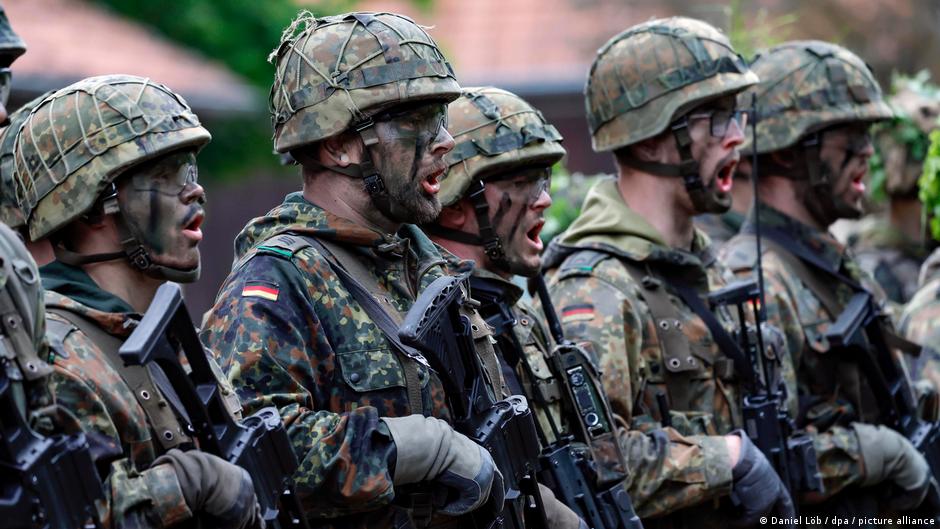
Germany has announced a historic increase in its defense budget, pledging €124.7 billion for 2026, marking a 25.5% rise from the previous year. This commitment was unveiled alongside NATO's new data on member countries' military expenditures ahead of the summit in Ankara on July 7.
Strategic Implications of Germany's Defense Spending Surge
The planned €25.4 billion increase represents the largest absolute growth in defense spending ever recorded by Germany. Only the United States surpasses Germany in defense investment within NATO. The German defense budget will rise to 2.69% of GDP in 2026, up from 2.22% in 2025, signaling a significant escalation in military commitment aligned with NATO's evolving strategic environment.
"European allies and Canada increased defense spending by nearly 20% last year, adding $139 billion in additional investments," NATO Secretary General Jens Stoltenberg highlighted, emphasizing collective efforts to meet alliance expectations.
This increase follows persistent pressures from the United States, which had criticized European members for insufficient defense contributions. The German government's move aims to mollify such criticisms and bolster transatlantic defense cooperation amid geopolitical tensions.
To support these budget increases, Germany plans to issue over €200 billion in government bonds in 2027 alone, a 12.5% rise from the current year. Over the period leading to 2030, total debt issuance is expected to exceed €800 billion. These funds will primarily finance the expanding defense budget, which is projected to reach €183.6 billion by 2030 — approximately one-third of Germany's total national budget.
Despite these increases, NATO spending by European countries and Canada remains significantly lower than that of the United States. In 2026, U.S. defense expenditure is projected at around $850.2 billion (€745 billion), eclipsing the combined €556 billion spent by all other NATO partners. The U.S. continues to lead globally in military spending, ahead of China and Russia, with Germany ranking fourth.
NATO-Wide Defense Spending Targets and Variations
The majority of NATO countries are moving toward increased defense budgets in line with alliance objectives. Five member states — Greece, Poland, Latvia, Lithuania, and Estonia — are expected to meet the ambitious target of spending at least 5% of GDP on defense in 2026.
Following the 2023 NATO summit in The Hague, all member countries committed to a minimum defense spending threshold of 3.5% of GDP by 2035, including an additional 1.5% for defense-related expenses. Data from the current year indicate that 17 countries will achieve this secondary target in 2023.
However, disparities persist. Belgium, Spain, and the Czech Republic are projected to maintain defense expenditure near 2% of GDP in 2026, while Slovenia is expected to drop below this crucial threshold. This is notable considering NATO’s 2014 decision that all members should reach the 2% benchmark by the end of 2024.
Germany’s strategic decision to drastically increase defense spending exemplifies a broader shift in European defense postures amid rising global security challenges and ongoing demands from key NATO partners. This fiscal and strategic transformation is likely to impact the competitive dynamics within the European defense industry and shape future NATO capabilities.