US Military Strikes on Iran Escalate Tensions Amid Sanctions and Maritime Security Concerns
US strikes target Iranian military assets following tanker attacks, complicating regional security and diplomatic negotiations.
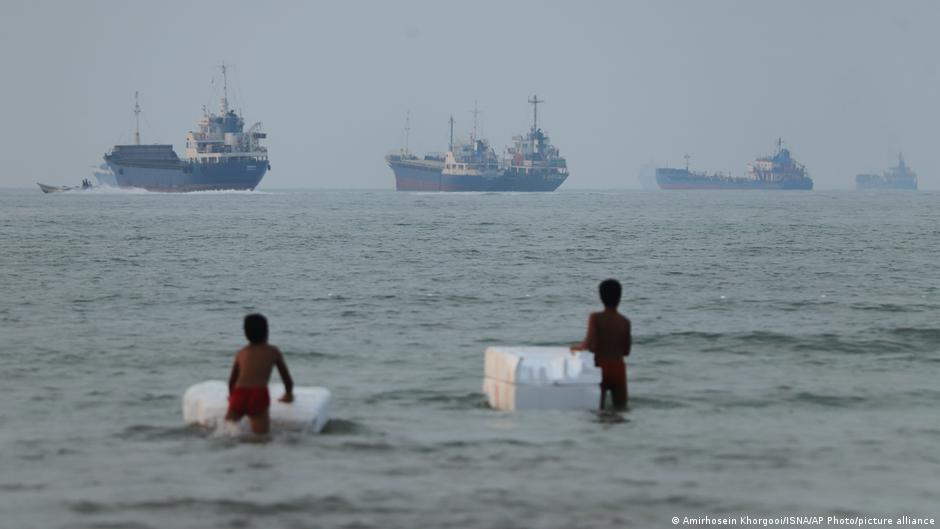
The United States military launched significant strikes against Iranian targets, marking a sharp escalation following attacks on three commercial vessels in the strategically vital Strait of Hormuz. This move, announced by Central Command (CENTCOM), underscores ongoing tensions between Washington and Tehran amid complex geopolitical and economic challenges.
Strategic Military Response and Economic Sanctions
The recent US attacks targeted Iranian air defense systems, communication networks, coastal radar installations, anti-ship missile defenses, and over 60 vessels operated by the Islamic Revolutionary Guard Corps (IRGC). These actions were framed by CENTCOM as a direct response to Iran’s alleged aggression, which included drone and projectile strikes damaging multiple commercial tankers.
“The aggression demonstrated by Iran was unjustified, dangerous, and a clear violation of the ceasefire regime,” CENTCOM stated in its announcement.
Concurrently, the US government reinstated sanctions on Iranian oil exports, which had been lifted just over two weeks prior. This dual approach of military and economic pressure aims to curb Iran’s influence and activities in the region, particularly its control over maritime routes essential for global energy supplies.
From Tehran’s perspective, the US actions constitute a “serious violation” of agreements, with Iranian Deputy Foreign Minister Kazem Garibabadi warning that Iran will take decisive measures to defend its national interests and security. Iranian state media also asserted that attacks on a liquefied gas tanker occurred after the vessel disregarded warnings, emphasizing Tehran’s insistence on using its designated route through the Strait of Hormuz as the only safe passage.
Implications for Regional Maritime Security and Diplomatic Efforts
The Strait of Hormuz remains a critical chokepoint for global oil shipments, and these incidents have exacerbated concerns over the security of maritime trade routes. British Royal Navy’s UK Maritime Trade Operations (UKMTO) reported damage to several vessels, including a Qatar-flagged liquefied gas tanker, further illustrating the operational risks in the area.
In parallel with military developments, France and the United Kingdom proposed a multinational naval mission during NATO-related discussions to stabilize the security environment in the Strait. However, Iran’s refusal to participate in such initiatives significantly diminishes prospects for de-escalation and cooperative security arrangements.
This complex security landscape unfolds against a backdrop of stalled negotiations between the US and Iran, covering critical issues such as Iran’s nuclear program, US troop deployments in neighboring countries, and transit fees for vessels passing through the Strait. Despite a memorandum of understanding that set a 60-day timeline for progress, no significant breakthroughs have been reported.
Moreover, Iran’s reluctance to permit comprehensive mine clearance operations in the Strait restricts maritime traffic to limited corridors, contributing to less than half the pre-conflict shipping volume. This bottleneck further impinges on the global supply chain and underscores the economic stakes tied to regional stability.
Business and Geopolitical Outlook
The recent escalation signals heightened risks for companies engaged in shipping, energy transport, and regional commerce. The reimposition of sanctions on Iranian oil and the military strikes compound uncertainties for global energy markets, potentially affecting supply stability and pricing. Additionally, the ambiguous security environment challenges multinational firms operating in or through the Gulf region, demanding vigilant risk management and contingency planning.
As diplomatic channels remain fraught and military actions intensify, the strategic calculus for both the US and Iran appears increasingly adversarial. The prospect of a negotiated settlement hinges on de-escalation and mutual concessions, but current dynamics suggest a protracted stalemate with significant implications for international trade and regional security.