US Military Launches New Strikes on Iran Amid Escalating Tensions Over Strait of Hormuz
Washington intensifies offensive operations targeting Iran’s maritime interference capabilities following tanker attacks in the Strait of Hormuz.
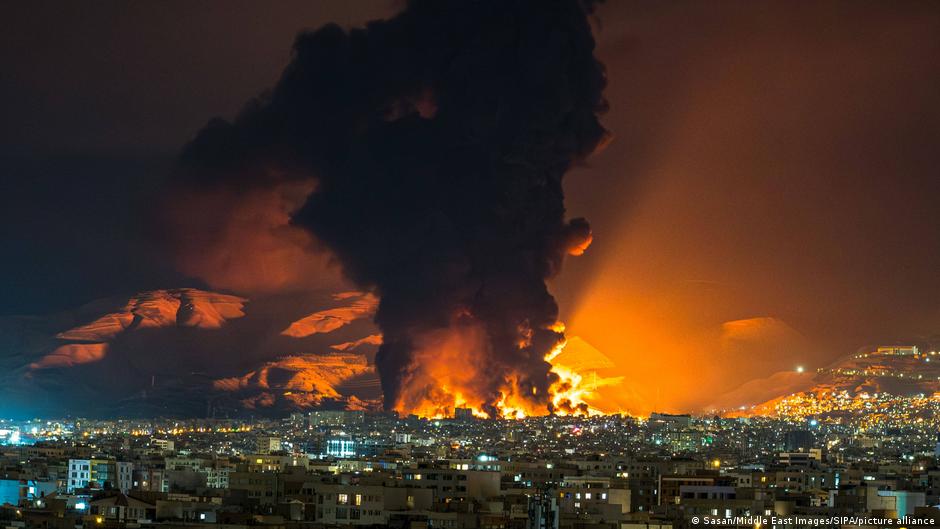
The United States military has launched a fresh series of strikes against Iranian targets aimed at curbing Tehran’s capacity to disrupt shipping traffic in the critical Strait of Hormuz. The operation, ordered directly by President Donald Trump, marks a significant escalation in the ongoing geopolitical and military conflict between the two nations.
Strategic Implications of the US Offensive
The US Central Command (CENTCOM) announced the offensive on the evening of July 8, citing the need to limit Iran’s ability to interfere with maritime navigation in the Gulf region. While detailed information about the specific targets was not disclosed, the strikes followed an earlier wave targeting more than 80 Iranian military installations and assets.
These initial strikes focused on a wide array of Iranian defense infrastructure including air defense systems, command and communications networks, coastal radar stations, anti-ship missile defense systems, and over 60 vessels belonging to the Islamic Revolutionary Guard Corps (IRGC). The US military framed these actions as a response to attacks on commercial vessels in and around the Strait of Hormuz.
"The aggression demonstrated by Iran was unjustified, dangerous, and a clear violation of the ceasefire regime," CENTCOM stated, underlining the offensive as a countermeasure to Iranian provocations against tanker traffic.
Concurrently, the US government reinstated sanctions on Iranian oil exports, reversing a suspension that had lasted just over two weeks. These sanctions aim to exert additional economic pressure on Tehran amid deteriorating bilateral relations.
Iran’s Diplomatic and Military Reactions
Tehran quickly condemned the US attacks, accusing Washington of breaching the fifth clause of a memorandum on freedom of navigation in the Strait of Hormuz. Iranian Foreign Ministry spokesperson Esmail Baghaei accused the US of unilateral aggression that undermined the agreements, signaling Tehran’s intent to defend its sovereignty and national interests.
Reports from Iranian media indicate that Iranian leadership has authorized retaliatory strikes against American military targets, with incidents reported in Kuwait and Bahrain. The IRGC claimed responsibility for these counterattacks, citing them as responses to US airstrikes on coastal bases and civilian infrastructure within the Iranian provinces of Hormozgan and Mahshahr.
President Trump, in remarks made during the NATO summit on July 8, dismissed the prospects for renewed diplomatic engagement, stating, "I think it’s over. I don’t want to deal with them anymore." He characterized Iranian officials as dishonest and refused to entertain contact, though he left the door open for US negotiators to maintain dialogue if they so choose.
Impact on Regional Security and Commerce
The US military’s intensified campaign aims to inflict substantial damage on Iran’s operational capabilities following attacks on three tankers near the Strait of Hormuz. According to British maritime security sources, one tanker was lightly damaged by a drone strike, while another, a Qatari liquefied natural gas carrier, suffered serious damage attributed to an unknown projectile. Details about the third vessel remain unclear.
These incidents underscore the vulnerability of one of the world’s most strategically significant maritime chokepoints. The Strait of Hormuz facilitates a substantial share of global energy shipments, and disruptions here have far-reaching implications for international energy markets and regional stability.
Ongoing Negotiations and Unresolved Issues
The current tensions persist against the backdrop of an incomplete memorandum signed between Washington and Tehran, which mandated a 60-day timeframe to address critical issues such as Iran’s nuclear program, withdrawal of US forces from neighboring countries, and transit fees imposed by Iran on shipping through the Strait.
Progress on these negotiations remains opaque, with Tehran yet to approve Western proposals for comprehensive demining operations in the Strait. Consequently, maritime traffic remains constrained to two narrow corridors, significantly limiting throughput despite US claims about fully reopening the strait. Shipping volumes are reportedly less than half of pre-conflict levels, reflecting ongoing operational and security challenges.
The evolving US-Iran confrontation highlights the complex interplay of military strategy, economic sanctions, and diplomatic stalemate shaping the Gulf’s security landscape. Corporations involved in energy markets, shipping, and regional trade should monitor these developments closely given the potential for further escalation and disruptions.