Trump Commits to Removing Syria from Terrorism Sponsorship List, Opening Doors for Investment
US President Donald Trump pledges to lift sanctions on Syria, signaling strategic shifts in Middle East economic and security landscape.
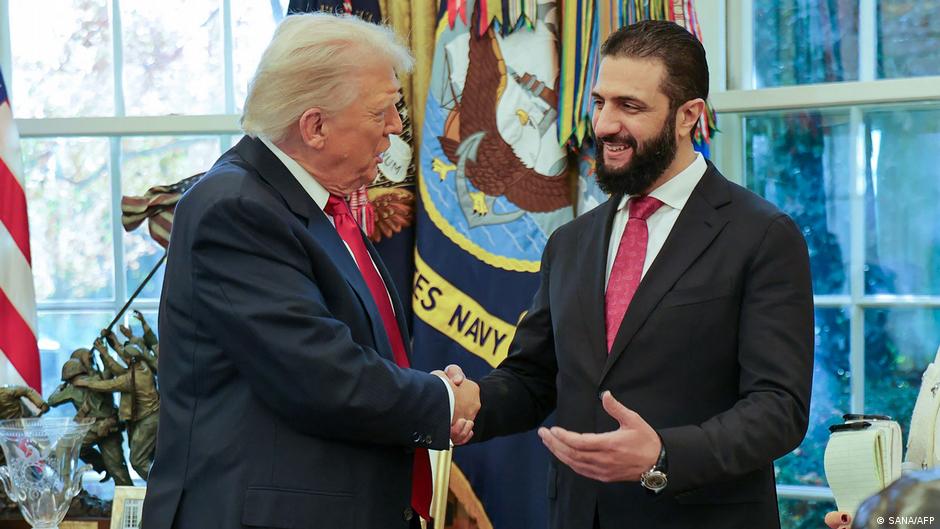
In a significant policy shift, US President Donald Trump has committed to removing Syria from the US list of state sponsors of terrorism, as revealed in a letter addressed to Syria's interim president, Ahmed al-Sharaa. This move signals a potential opening for American and international companies to invest in Syria's post-conflict reconstruction and economic revitalization.
Strategic Implications of Delisting Syria
The designation of Syria as a state sponsor of terrorism had long imposed stringent restrictions on foreign aid, arms exports, and financial transactions related to the country. These sanctions have effectively isolated Syria from formal international economic channels for years. Trump's letter, which was conveyed during a NATO summit meeting in Ankara with al-Sharaa, underscores a pivot in US foreign policy aimed at incentivizing investment and economic engagement.
"We have American companies ready to invest in Syria and help make your country greater and more prosperous than ever," Trump's letter stated.
This declaration follows Trump's earlier executive order lifting various sanctions against Syria and a directive to Secretary of State Marco Rubio to explore the formal removal of Syria from the terrorism sponsorship list. The announcement coincides with burgeoning interest from Gulf companies, notably from Saudi Arabia, eager to participate in Syria’s reconstruction efforts after years of conflict under Bashar al-Assad’s regime.
Political and Security Context
The Trump administration’s decision to engage directly with the Syrian leadership, represented by al-Sharaa—a former leader of the jihadist group Hayat Tahrir al-Sham—marks the first direct US-Syria high-level contact in a quarter century. The last such diplomatic engagement occurred in 2000 during Bill Clinton's presidency.
The meeting in Riyadh on May 14, 2025, between Trump and al-Sharaa, ahead of Trump’s Gulf summit, underscored the US interest in stabilizing the region. The interim Syrian president reportedly sought the removal of sanctions in exchange for granting the US access to Syria’s natural resources, reflecting Syria's strategic resource potential and the US’s economic interests.
Furthermore, the complete withdrawal of US military forces from Syria, officially confirmed by the US Central Command and the Syrian Ministry of Foreign Affairs, marks a milestone in redefining the US-Syria relationship. The handover of military bases to Syrian authorities, executed with noted professionalism, signals an end to direct US military presence but not the cessation of US-led counterterrorism efforts in the region.
US military officials emphasized continued support for partner-led anti-ISIS operations, critical for securing the region and preventing the resurgence of extremist groups. This nuanced approach balances the strategic withdrawal of troops with ongoing security commitments.
Business and Regional Economic Outlook
Removing Syria from the terrorism list eliminates major barriers for international investment, particularly from US companies. This move is expected to catalyze foreign direct investment into Syria’s devastated infrastructure sectors, including energy, construction, and telecommunications.
Saudi and other Gulf investors have already signaled intentions to participate actively in Syria’s economic recovery, aligning with US interests to stabilize the region through economic development. Such cooperation may reshape the competitive landscape in the Middle East, offering new opportunities for corporate partnerships and joint ventures.
However, this strategic recalibration also entails considerable risks, including reputational concerns for US companies given Syria's complex political environment and the legacy of conflict. Effective management of these risks will be critical for successful corporate engagement.
Overall, Trump’s pledges and policy actions represent a notable recalibration of US strategy in Syria, blending diplomatic outreach, economic incentives, and pragmatic security considerations to reshape the country's role in regional geopolitics and global markets.